The Tide Map Australia Was Missing
Tap any beach, get the right tide station

Reports, Happenings, Events
Tap any beach, get the right tide station
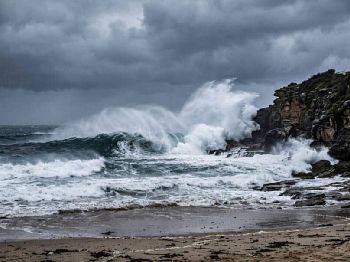
MJO in western Pacific drives cold outbreak

Full-screen, all of Australia, silky smooth
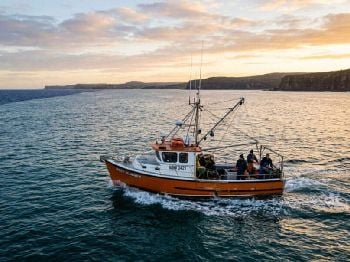
Bight high opens after mid-week fronts clear
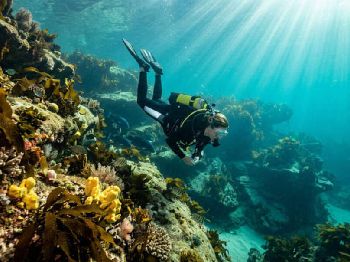
El Niño means less runoff, cleaner water
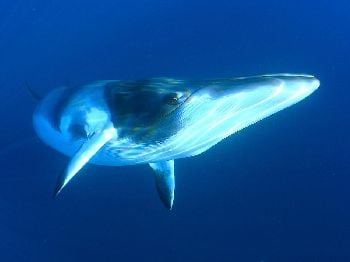
GBR dwarf minke encounters peak now
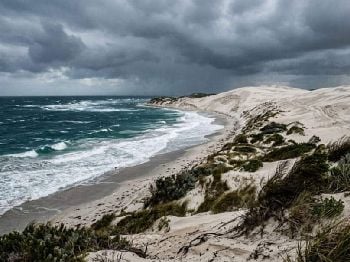
Strong winds hit Perth and Bunbury Thu

Rain band offshore, Tue-Wed window opens
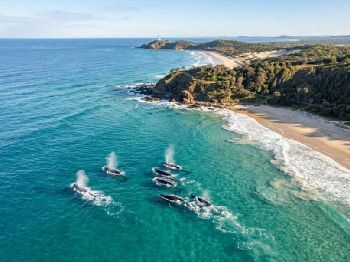
40,000 whales heading north - what to know
Southern Ocean belt resets, swell builds
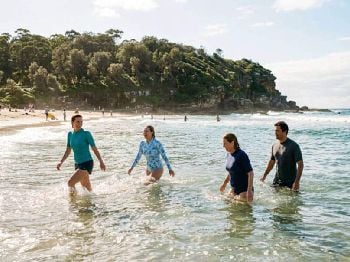
Record warm spell opens NSW coastal window
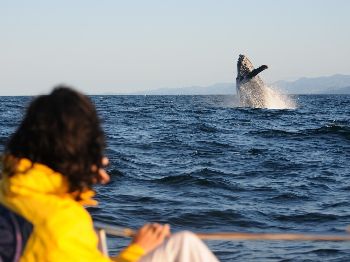
How to handle close encounters on the water
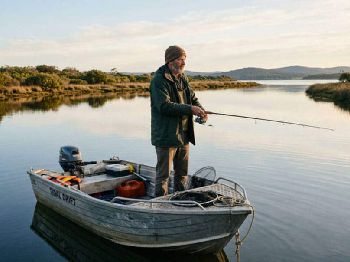
Two climate drivers align for winter-spring
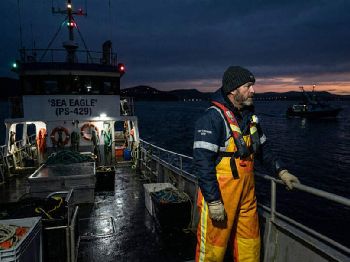
NSW window opens Mon-Wed: calm seas, kingfish
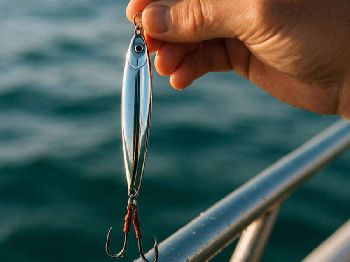
Warm, dry winter forecast for east coast

Thousands of locations, maps and 30-day charts
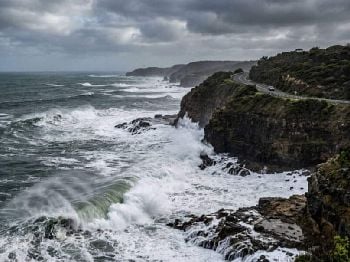
Bass Strait running 2-4m after Vic wind warning

Graphical tides for any estuary or boat ramp

Strong front hits NSW Friday; high follows
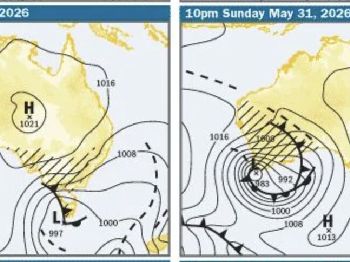
100mm+ rain, gale winds and 5m surf
Gale warning, rising swell hit Gippsland bars

Destructive low targets WA coast from Sunday

Low enters NSW waters Friday, hazardous surf ahead

Waves to 4m, Gold Coast erosion

Campgrounds, reef and charters open again.

Official BOM tides, one page, save as PDF

El Niño building fast as dry signal emerges
DOT swell charts and 6 live cameras, all in one

Onshore easterlies, rising swell hit NSW waters

Deeper fish, later peak as SSTs hold warm

Three species shut as SA waters slowly recover

82% chance El Nino emerges by July 2026
East coast SSTs up 3-4 degrees: what it means
Sydney is a city known for its beautiful beaches, iconic landmarks, and vibrant culture. However, anyone planning a visit to this dynamic city should not overlook the importance of understanding Sydney's weather patterns.
Robert Matthews tells his story of the capsize of Business Post Naiad in the 1998 Sydney to Hobart yacht race....


New live wind readings on the WA Coast

Stocks of the new S26 Wing are hitting stores now.

The International Kite Assocation has confirmed that the Australian National Kite Foil Series

Naish couldn't be more stoked for our Australian team riders and their performance at this year's nationals.

Get your racing gear ready - a season of foiling compeition is coming to Australian shores

Strong wind provided ideal conditions

A quest to master the world's longest waves unexpectedly reveals his vulnerabilities as a competitor, mentor and father.

This Christmas, Kiteboarding Western Australia will be bringing back the famous Redkite Downwinder, Santa style

This annual SUP race brings some of the best in the word to make their way down one of the best stretches of the WA coast.

The inaugural West Windsurfing Festival (WWF) with clinics and demos during the day and Riders Of The Liquid Plains movie showing at sunset.

If you're playing in the Ocean in Perth, then Seabreeze can help you with a great Wind Forecast.

Concerned about who pays for accidents with your Wind Wing? .. check this

Despite Covid, a Wing Foiling competition has been announced for Brazil.

Sail Freo is Western Australia's Premier Blue Water Dinghy Regatta.

The Kitesurfing Champion has been crowned

The GKA Distance Battle Freestyle Champions have been crowned

Kitesurfing in their native countries, competing via Video. Innovative kitesurfing event.

Competing in their native countries, rather than at the same location - innovative event during the pandemic

This is an opportunity to not only bring boards to trade/sell, but to show and discuss classic examples of surfboard evolution and history with like minded collectors and enthusiasts.

In the innovative online Kitesurfing Distance Battle, australian kiter through to Semis

If a used SUP (Stand Up Paddle) or 2nd hand board is what you want - here's where to find it

The Kitefoil event wraps up with the winners crowned. Perfect wind came in.

Wild weather overnight, but it didn't stop the kitefoil racing

 Weather
 Sailing
 Fishing
 Surfing
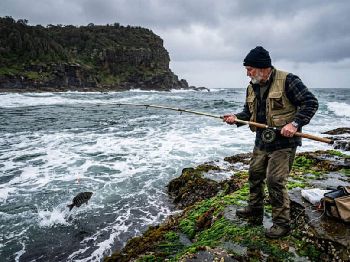 Fishing
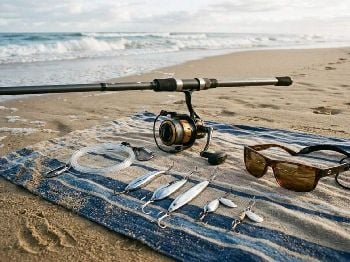 Fishing
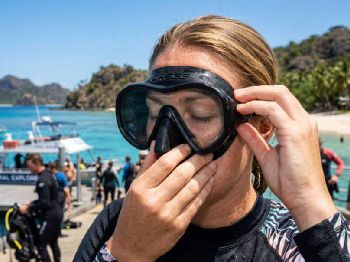 Diving
Weather
Weather
Weather
Weather
Weather
Weather
Weather
Diving
Weather
Weather
Weather
Weather
Weather
Weather
Weather
6' 5" x 90 Litres
Bought May 2026 from Boardcrazy. Intended for winging, parawinging and foil...
$1,399
Neil Pryde 430 TPX 100 RDM mast. Good condition.
$600
230 cm x 87 litres
Carbon Art Pro Freewave by James Dinnis NZ Fast rocker 230 x 56 87ltr...
$380
4' 5" x 52 Litres
I sell this full carbon (triaxial) board as I bought the new version. This...
$1,100
75 cm
Both as new with bags.
$1,200
299 cm x 250 litres
Good condition. Damaged fin.
$2,000
90 Litres
This board is as new selling due to health issues
$450