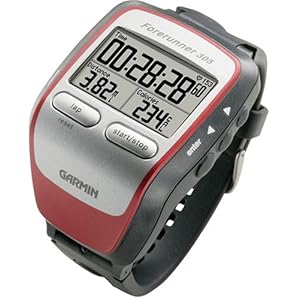
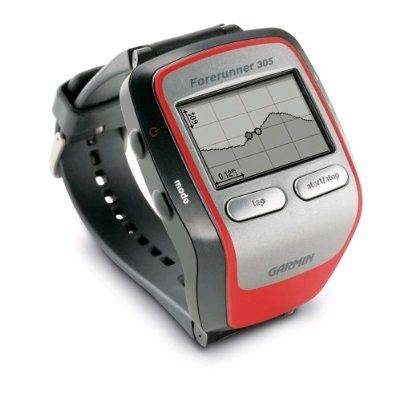
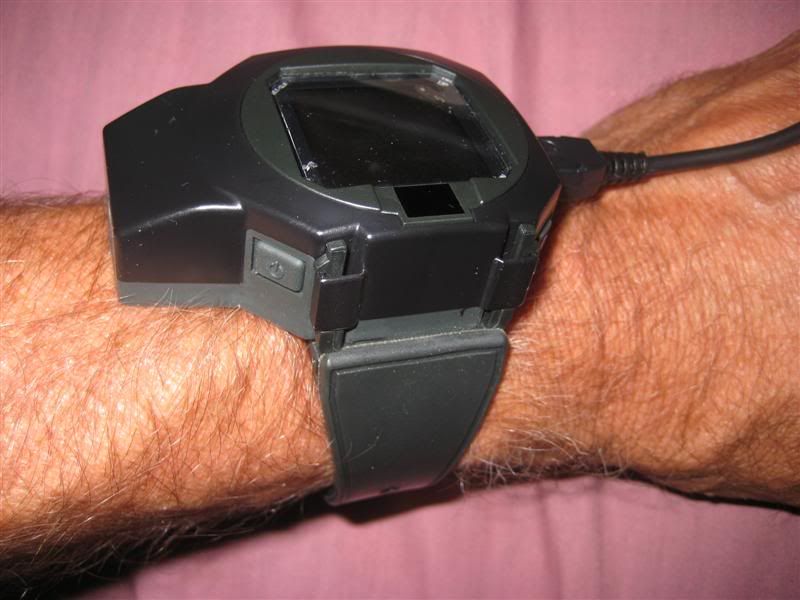
Check with Downwinder, or wait for him to reply.
However, remember that during the paddle stroke, your paddle blade only moves "backwards" marginally, maybe only a few inches. The rest of the time, during the recovery stroke you and paddle are going forwards, and during the reach you are both going forward, and during the stroke your bottom hand is probably stationary, and the top hand is actually going forwards.
So I think a wrist GPS would mainly be picking up the pattern of "surge forward, then pause, surge forward, pause, surge, etc etc".
========
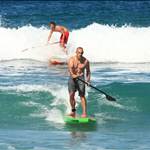
Edit; as Dave goes past the camera man, you'll notice that the bottom hand is mostly stationary (during the stroke) relative to the camera....
It would be good if the watch can identify the "pause" and count your stokes...
I find the Google Earth is a good tool, to trace your approximate course upon return. Or measure point to point distances, or if you move in an arch or a dog leg, you can estimate that too, using the "path" function (within the Ruler Icon) in Google Earth. Or even trace a planned course before you set out....