under the old system there was 3 types of life jacket ( + the commercial offshore type N/A here only used on commercial vessels)
Type 1 life jacket- yellow or orange, thick uncomfortable most likley stored in your boat and never use or looked at
Type 2 life jacket , still hi vis colours less neck floatation and a little more comfortable
Type 3 life jacket , waterski jacket wont float your head above water bare minimal floatation
new rating are
150N - provides 150 newtons (measure of power/energy) of buoyancy this is what most commercial operators now use as a minimum i.e. commercial skippers, deck hands, constuction workers working near the water.
100N - provides 100 newtons of buoyancy they say the same as a type 1
50N - provides 50 newtons of buoyancy old level 2
50NS - same as above but not high viz
there is also 180N and 300N used by offshore sailers and marine workers
maritimemanagement.transport.nsw.gov.au/lifejackets/index.htmlthe thing to remember is that if you fall off and belt your head on the board and pass out the manual jacket might as well be not even be worn...
this is interesting though from the RMS website
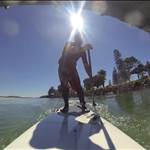
www.lifejacketwearit.com.au/vessel-type/paddle-stand-paddleboard/says that a paddle board is not a vessel therefore you dont need to wear a life jacket
and this is the definition under the international collision regulations
(a) The word ???vessel??? includes every description of water craft, including non-displacement craft, wing-in-ground-effect (WIG) vehicle, and seaplanes, used or capable of being used as a means of transportation on water.