Seems to be very little written about this phenomenon. The best google can come up with is
www.thenakedscientists.com/forum/index.php?topic=16395. The nerds on that forum can't agree.
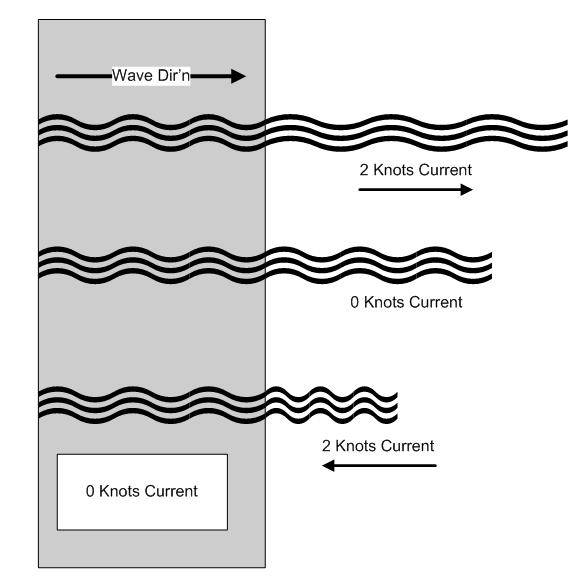
I think the bottom must have something to do with it - otherwise the water at the surface would only see the relative windspeed - ie if the bottom was not registering then 27 knots of wind going with a 2 knot tide should be the same as a 23 knot wind into a 2 knot tide and the same as 25 knots over still water.
But apparently that is not the case - 23 knots into a 2 knot tide is by far the choppiest. That's what is said down at Sandy Point. (although the tide up against the bank is much less than this) I haven't spent enough time down there to make conclusive observations.
So is the bottom important in "wind against tide" ? If so how does the effect vary with depth?
I've seen it reported when the bottom is tens of metres deep.
There's an east coast current. Do we notice more chop with southerlies vs northerlies?
Anybody know the theory?
Any interesting observations you can report on from your your local body of water?
I've got nothing to report from Lake Burley Griffin.


 Also is this just your excuse to stop work so you can go sailing in 30knots.