Strategies for parawing downwind success - ride to drop, or re-deploy early?

Tuesday
Reply
Register to post, see what you've read, and subscribe to topics.
WindyBear
WindyBear
77 posts
77 posts
4 Aug 2026 6:26pm
So I have managed to get what I think is a solid run of sessions on my parawing across a variety of conditions.
Granted most of these have been in short period (4 second) small swell (0.7-1.5m) conditions here in Norway, but the wind speeds have varied widely.

My goal has been to get long and longer rides on foil ideally up to 20-30 minutes and my strategy has been to ride until I drop off foil - in other words, not seeking to redeploy the parawing but instead pushing through to the limit, and really learning to rely on the foil.

Progress has not been consistent - and honestly I'm not sure why that is - in June I hit 8 minutes on foil, but all my sessions since then have been up to 4 minutes max. I guess conditions have a role to play, and some days the conditions just line up nicely.

Yesterday I was totally gassed on my downwind run, from falling and restarting and all the pumping trying to stay on foil and muscle through the flat spots.

So I have been thinking, perhaps the "ride until I drop" strategy isn't the correct one, maybe I should just redeploy the parawing in good time and then focus on riding for longer and staying fresher.

Is anyone else going through this "dilemma" - if it can be called that, or adopting one training strategy over the other?

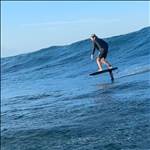
For reference, here is my 8 min run:


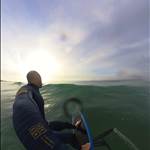
and yesterday's run wwith a lot of falling in involved 😄
-0NO
CFL Foiler
CFL Foiler
164 posts
164 posts
4 Aug 2026 7:50pm
If you’re having fun then you’re doing it right. Sounds like tough conditions honestly. Make sure you match your foil to the bumps. Short period lake swell generally needs a larger foil. But honestly you look pretty good in those clips


As for pw technique I would say mix it up. It’s ok to redeploy often, one the benefits of a pw really so use it. You can even keep it up as training wheels while you figure out the bumps. When things are clicking go back to challenging yourself again and ride until you fall off foil.


I think it’s an easy trap that we can all fall into trying to ace runs vs just having fun out there. It’s not a paddle up so there is no reason avoid starting with a pw as it’s so easy to do.


WindyBear
WindyBear
77 posts
77 posts
4 Aug 2026 9:42pm
CFL Foiler said..
If you’re having fun then you’re doing it right. Sounds like tough conditions honestly. Make sure you match your foil to the bumps. Short period lake swell generally needs a larger foil. But honestly you look pretty good in those clips


As for pw technique I would say mix it up. It’s ok to redeploy often, one the benefits of a pw really so use it. You can even keep it up as training wheels while you figure out the bumps. When things are clicking go back to challenging yourself again and ride until you fall off foil.


I think it’s an easy trap that we can all fall into trying to ace runs vs just having fun out there. It’s not a paddle up so there is no reason avoid starting with a pw as it’s so easy to do.


Yea I’m the only one parawinging here in these conditions so I don’t really have a good reference against more skilled people as to the conditions and how good they are. My feeling is they are quite marginal compared to say Maliko or Hood River by comparing the videos . Waiting for some autumn swell and wind which generally brings bigger conditions here.

i think I’ve become a bit fixated on staying on foil as long as possible but it’s a good reminder to keep things fun!! Will take this forward onto the next sessions.
BWalnut
BWalnut
WA
1248 posts
WA, 1248 posts
4 Aug 2026 11:12pm
When I first started out I never tried the ride til you fall method. There's value in that for sure, and there are other ways to progress. I always thought getting dialed on fully stowing, and then successfully redeploying my parawing every single time was more important to me. This taught me to lock that skill in while also learning to read the bumps for when I should redeploy. I think my longest was 3 hours 55 minutes and 50 miles with no falls. No way would I have had the energy to keep going if I was fighting with restarts at the end of every single one of my runs. Plus, I kinda feel like I normally would fall in the worst locations which means the restart would take even longer. I just did my little 3 mile downwind run, then 3 miles back upwind, over and over again.

As parawings have gotten better and my gear choices have changed I settle in with a different style on different days. Most recently I ride more like a winger. I'm using smaller foils and sessioning on a very tight zone of bumps. I often times go bananas letting my LTX canopy swing wild and free while I challenge my turns for a 60-120 second leg scorcher and then redeploy and repeat. It's like doing a HIIT workout and I definitely get my best turns doing this because I make zero effort to stow. The LTX is like a dance partner that I want to interact with. Other sails are not fun to have out and do best in a full stow. With those, ride til you drop or focusing on longer DW runs is definitely more of the vibe for the day.

All that to say, there's no wrong way to go about this. If you're having fun, then you're having fun.
CFL Foiler
CFL Foiler
164 posts
164 posts
4 Aug 2026 11:26pm
BWalnut said..
When I first started out I never tried the ride til you fall method. There's value in that for sure, and there are other ways to progress. I always thought getting dialed on fully stowing, and then successfully redeploying my parawing every single time was more important to me. This taught me to lock that skill in while also learning to read the bumps for when I should redeploy. I think my longest was 3 hours 55 minutes and 50 miles with no falls. No way would I have had the energy to keep going if I was fighting with restarts at the end of every single one of my runs. Plus, I kinda feel like I normally would fall in the worst locations which means the restart would take even longer. I just did my little 3 mile downwind run, then 3 miles back upwind, over and over again.

As parawings have gotten better and my gear choices have changed I settle in with a different style on different days. Most recently I ride more like a winger. I'm using smaller foils and sessioning on a very tight zone of bumps. I often times go bananas letting my LTX canopy swing wild and free while I challenge my turns for a 60-120 second leg scorcher and then redeploy and repeat. It's like doing a HIIT workout and I definitely get my best turns doing this because I make zero effort to stow. The LTX is like a dance partner that I want to interact with. Other sails are not fun to have out and do best in a full stow. With those, ride til you drop or focusing on longer DW runs is definitely more of the vibe for the day.

All that to say, there's no wrong way to go about this. If you're having fun, then you're having fun.

The S3 has totally changed how I look at sessions too! These new pw designs have changed my outlook on the whole discipline. I now ride much more like a wing session with frequent redeploys. I just slash and burn and redeploy when the bumps flatten out and then zip back upwind to do it again.

It’s summer here too so the dw conditions really have not happened in awhile. But I have totally adjusted my outlook on pw sessions. I no longer feel the need to only do dw sends with the pw to only chase the aced run. I will still do that for sure but for now I am really digging working more on performance turns pushing that side of the pw game. What’s interesting is they feed off each other. Learning to turn hard and make the most of small bumps helps you read and connect easier when you go back to the larger foil.
zarb
zarb
NSW
709 posts
NSW, 709 posts
5 Aug 2026 2:27am
I say ride until you drop! Don't plan on redeploying. Forcing yourself to foil until you fail is a good way to limit test just how much you can get away with. It will teach you to move strategically, and it's very very good fitness.
Plus you don't have to worry about a neat stow. Just get on a bump, get that parawing in the bag as fast as you can and enjoy the ride.

When you inevitably make a mistake and come off foil, just use the opportunity to have a quick rest, enjoy your surroundings, sort out your parawing and go again.
BWalnut
BWalnut
WA
1248 posts
WA, 1248 posts
5 Aug 2026 12:27am
CFL Foiler said..
The S3 has totally changed how I look at sessions too! These new pw designs have changed my outlook on the whole discipline. I now ride much more like a wing session with frequent redeploys. I just slash and burn and redeploy when the bumps flatten out and then zip back upwind to do it again.


100%!

When I went out with the S3 on Gregs tiny P1 board I realized the future is now. If you land on the right parawings the opportunity to ride small foils and small boards without a miserable overpowered downwind only experience is already here. It's a great time to be a foiler.
Hdip
Hdip
477 posts
477 posts
5 Aug 2026 3:30am
Riding til exhaustion is fine and good. But you need to also realize where you made the mistake. If you're not analyzing your drop off foil and what you could've done different each time, then you're not getting the benefit of riding til exhaustion.

Sounds to me like you're ready to change foils. If you're getting passed by groundswell that's moving too fast, maybe switch to a faster foil. If you're always pumping and overtaking bumps, then maybe switch to a larger foil. Video's look good to me. Nice riding.

A turn is as good as a pump.
WindyBear
WindyBear
77 posts
77 posts
5 Aug 2026 4:56am
Hdip said..
Riding til exhaustion is fine and good. But you need to also realize where you made the mistake. If you're not analyzing your drop off foil and what you could've done different each time, then you're not getting the benefit of riding til exhaustion.

Sounds to me like you're ready to change foils. If you're getting passed by groundswell that's moving too fast, maybe switch to a faster foil. If you're always pumping and overtaking bumps, then maybe switch to a larger foil. Video's look good to me. Nice riding.

A turn is as good as a pump.


Yes that’s why I take the videos, they help a bit to self analyze. In the bottom video you can see the first two attempts on foil I actually hit the bump in front - my interpretation of this is either I am rusty at the start of the session (perfectly reasonable explanation) or the period is shorter than what I am used to and the swell is more tightly packed and I need to turn more agressively and slow down to not over run the wave in front. In fact I do this a bit later which seems to work for a bit and then I run out of juice.


Moving forward I’m also going to start taking a few more notes of the conditions that day: #hours it’s been blowing, exact wind direction and swell direction, current speed and direction, and swell height and period. While it could just be down to my performance on the day, Two days with near identical swell height period and wind speed delivered two completely different sessions so it would be nice to understand the forecast more and learn what really works and what doesn’t . I guess I can consider myself a pioneer at this spot 🤣


foil size is already pretty big (1300cm2) but I guess not enough for some days !
WindyBear
WindyBear
77 posts
77 posts
5 Aug 2026 5:01am
BWalnut said..
When I first started out I never tried the ride til you fall method. There's value in that for sure, and there are other ways to progress. I always thought getting dialed on fully stowing, and then successfully redeploying my parawing every single time was more important to me. This taught me to lock that skill in while also learning to read the bumps for when I should redeploy. I think my longest was 3 hours 55 minutes and 50 miles with no falls. No way would I have had the energy to keep going if I was fighting with restarts at the end of every single one of my runs. Plus, I kinda feel like I normally would fall in the worst locations which means the restart would take even longer. I just did my little 3 mile downwind run, then 3 miles back upwind, over and over again.

As parawings have gotten better and my gear choices have changed I settle in with a different style on different days. Most recently I ride more like a winger. I'm using smaller foils and sessioning on a very tight zone of bumps. I often times go bananas letting my LTX canopy swing wild and free while I challenge my turns for a 60-120 second leg scorcher and then redeploy and repeat. It's like doing a HIIT workout and I definitely get my best turns doing this because I make zero effort to stow. The LTX is like a dance partner that I want to interact with. Other sails are not fun to have out and do best in a full stow. With those, ride til you drop or focusing on longer DW runs is definitely more of the vibe for the day.

All that to say, there's no wrong way to go about this. If you're having fun, then you're having fun.


Nice to hear of different strategies! Such a diversity of different approaches which is cool. I think as autumn and winter come and the conditions get bigger and more gnarly and my tolerance for going ‘offshore’ is reduced it will be my go-to strategy to do shorter laps.
hilly
hilly
WA
8158 posts
WA, 8158 posts
5 Aug 2026 8:19am
CFL Foiler said..
The S3 has totally changed how I look at sessions too! These new pw designs have changed my outlook on the whole discipline. I now ride much more like a wing session with frequent redeploys. I just slash and burn and redeploy when the bumps flatten out and then zip back upwind to do it again.


Tend to do something like this. Head upwind until I see a good bump, collapse the para with bar clipped to the belt and fabric in hand, ride until the bumps flatten out (400m to 1.5km) then redeploy and head back upwind to repeat. Having the para in hand makes redeploys really quick if I run out of runners. Prefer this to the logistics of a car shuffle or tacking 10km upwind for a long run. The downwind run goes through a wave section usually.
Jeroensurf
Jeroensurf
1143 posts
1143 posts
5 Aug 2026 4:27pm
Not that I,m really good at DW, but I do spend a lot of time in such short period wind bumps when we ride on the ""big"" dutch lakes and do DW runs of 6 to 16km. (The markermeer where we do DW runs is 32km long and the first 10K is needed to build up bumps).

tbh I think you do pretty well in the conditions that you got, maybe rely a bit in the low stallspeed.
Overtaken bumps that are slow but steep ussually kills your speed, stalling and or turning and often even go of the back and drop in one the behind you works better as overtaking imo.
So far I,m still better DW with a paddle as with an Para, but working on that :)


Taavi
Taavi
443 posts
443 posts
5 Aug 2026 4:59pm
@WindyBear, keep doing the videos, especially the ones facing forward - at least I find these super helpful for spotting the exact moment when I make a wrong decision and choose a wrong path or slow down to a point where it would be too demanding to use merely pumping to build up the speed again. This clip is not with a PW, but could well be. Had to use the wing once to top up the speed.

I have tried plenty of different combos now, and while using a high aspect small stabiliser gives a more effortless ride (just make a few light taps every now and then), I very much prefer using a smaller surfier stabiliser, to avoid the locked in feeling, which would then make it easier to initiate the slight direction changes at faster speeds.


scheggia
scheggia
62 posts
62 posts
5 Aug 2026 5:13pm
I come from SUP downwind and, in my opinion, relying on your parawing usually just means you're not relying on your downwind skills. You already have more than enough ability to keep going well beyond those 8 minutes in the clip. You're not gassed, you're still able to talk, and the conditions look more than good enough for an hour-long run. Just keep going. Do more and longer runs, and focus on improving your reading of the bumps. Eventually you'll reach the point where you never have to stop unless you actually want to. Once you're able to stay on foil continuously for longer periods, your skills improve incredibly fast. And once you've built that foundation, you can always go back to doing shorter runs or laps if that's what you enjoy more. But if your goal is to become a better foiler, I'd spend that time working on your downwind skills. In my experience, nothing teaches you more about foiling than downwinding.
AnyBoard
AnyBoard
NSW
452 posts
NSW, 452 posts
5 Aug 2026 8:15pm
There was a time for me with the wing where i had to choose to come off foil rather than grab it again in order to progress.

A big key to initially staying on foil longer is to be able to pump your way out of trouble. Once you can reliably do this after a bad choice you can go forever but with lots of work. As you get better the work gets less and less. I say you won't learn to pump yourself out of trouble by redeploying, its that simple. I find that the best sections come after the pump through the crap so its worth it for the sake of progression.

To me riding the bumps is all about the challenge of eloquently joining the energy of the bumps with as little effort as possibly and its so rewarding when you know the surf pattern is going to line up for a few turns. It feels cheap to just chase those sections under wind power. Hahahaha. We are all different.
goldenbreeze
goldenbreeze
37 posts
37 posts
5 Aug 2026 9:36pm
Interesting discussion and great to see this sport and gear reach the general public more.

This might be a little off topic, but as a winger that potentially will want to get into pwinging (I can totally see the appeal) - I feel like it makes more sense for me to get better at waveriding with the wing flagged (and try to minimize going for the handle) and just using the foil.

Am i missing something here?

My longest rides flagged have only been 45s-01:00 long - but to be fair I haven’t been exposing myself much to good wave conditions. Moving to NZ in a few months so that’ll change.


Interested to hear what you guys think.

Velocicraptor
Velocicraptor
885 posts
885 posts
5 Aug 2026 9:59pm
goldenbreeze said..
Interesting discussion and great to see this sport and gear reach the general public more.

This might be a little off topic, but as a winger that potentially will want to get into pwinging (I can totally see the appeal) - I feel like it makes more sense for me to get better at waveriding with the wing flagged (and try to minimize going for the handle) and just using the foil.

Am i missing something here?

My longest rides flagged have only been 45s-01:00 long - but to be fair I haven’t been exposing myself much to good wave conditions. Moving to NZ in a few months so that’ll change.


Interested to hear what you guys think.


Yes, thats the progression path, but don't underestimate how much stability you are getting from the wing. I'm completely comfortable luffing the wing and riding for very long periods, including pumping and carving hard, but once I started doing the same with the parawing, it was really eye opening to understand that I was getting a ton of stability (and even pull) from the depowered wing. Even pumping, the wing gives a lot of balance and stability - without the wing my pumping feels like on on a balance ball. When Im downwinding with the parawing stashed I feel like Im safety foiling much more than with the wing - and my goal is to be able to ride as aggressively with the parawing stashed as I do with the wing (I'm definitely being humbled!). Learning to ride swell, pick lines and find power with a luffed wing is definitely relevant, but it is WAAAAY easier.
Please Register, or first...
Topics Subscribe Reply