lydia said..UncleBob said..lydia said..woko said..
Now that's an interesting observation. I can't wait for the theory behind it
It is a good theory, but some would say law of diesels.
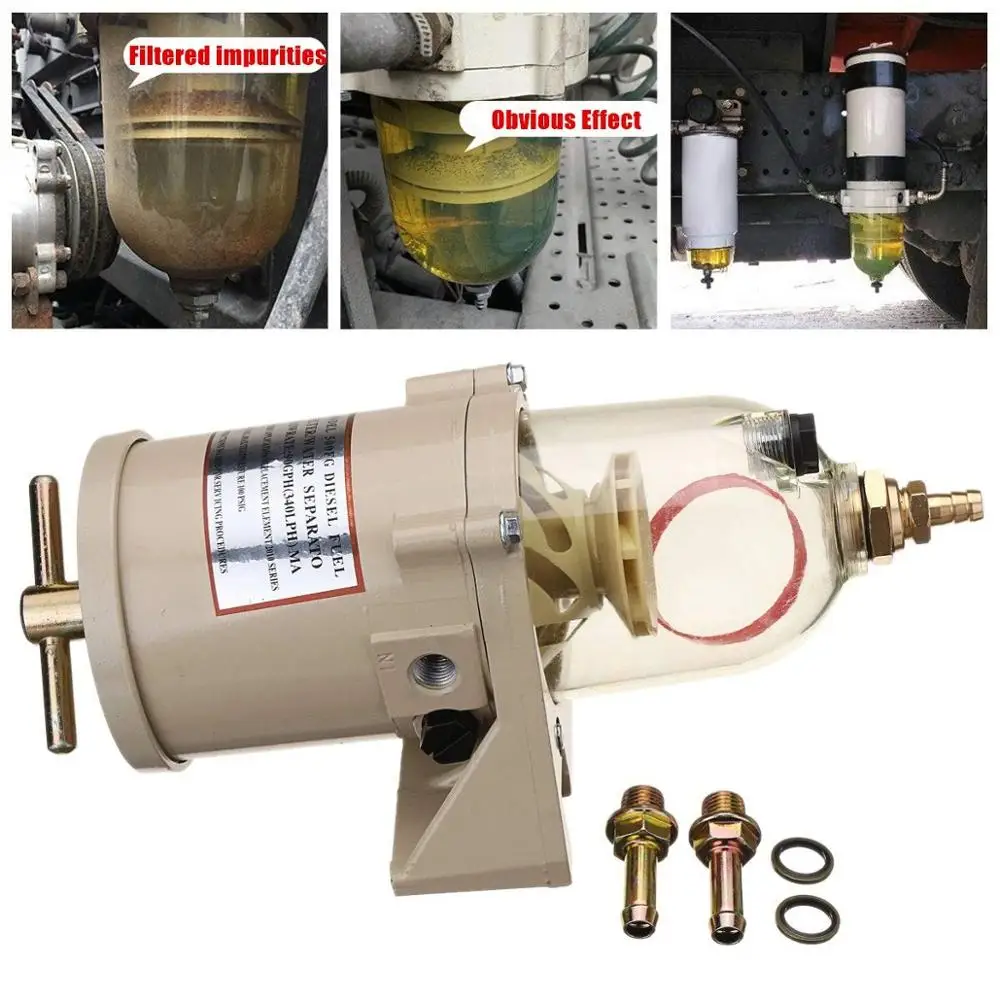
Look carefully at the filter.
If I understand correctly with that filter the fuel goes first through the filter then the water separator, I agree , wrong way round for marine use.
Better still, get a Racor 500 or, if finances are a problem, a chinese knockoff and piss it off.
The winner!
Normally sediment is caught at the top of the filter but water has to pass through the filter cartridge to get to the bowl.
If you reverse the flow and sediment and the water remain under or at the bottom of the cartridge.
We are talking CAV filters here as on other the direction of flow will be crucial.
Equally others have said drawing the fuel up loads the fuel pump more.
Who knows?
But just saying!
I have had boats with both methods.
Didn't know my tank and water separator would cause so much interest.
Both were installed by previous owners and came with the boat. So, my focus has been to put it back the way it was and see if it would stop the slow leak. Process of elimination.
I'll obviously need to check the instructions for which way round to connect the hoses. Note that it is a Ryco water-separator with a glass bowl at the bottom and a water bleed tap at the base. There is a separate Ryco fuel filter mounted on the engine.
Thanks for the comments about the bend and contact with the side. There is not a lot of room there, and the barb from the tap takes up half of it. It might need a right-angle.
Just to add to the awkwardosity of the whole assembly, it lives in the port cockpit locker but the cover is too small for me to get inside, so everything has to be done at arm's reach from the cockpit floor. Maybe I should look on Airtasker for a midget spanner-monkey who can actually get in there and see what's what.
Now you mention it, I don't know if the tank is stainless or aluminium. It does the job, though.

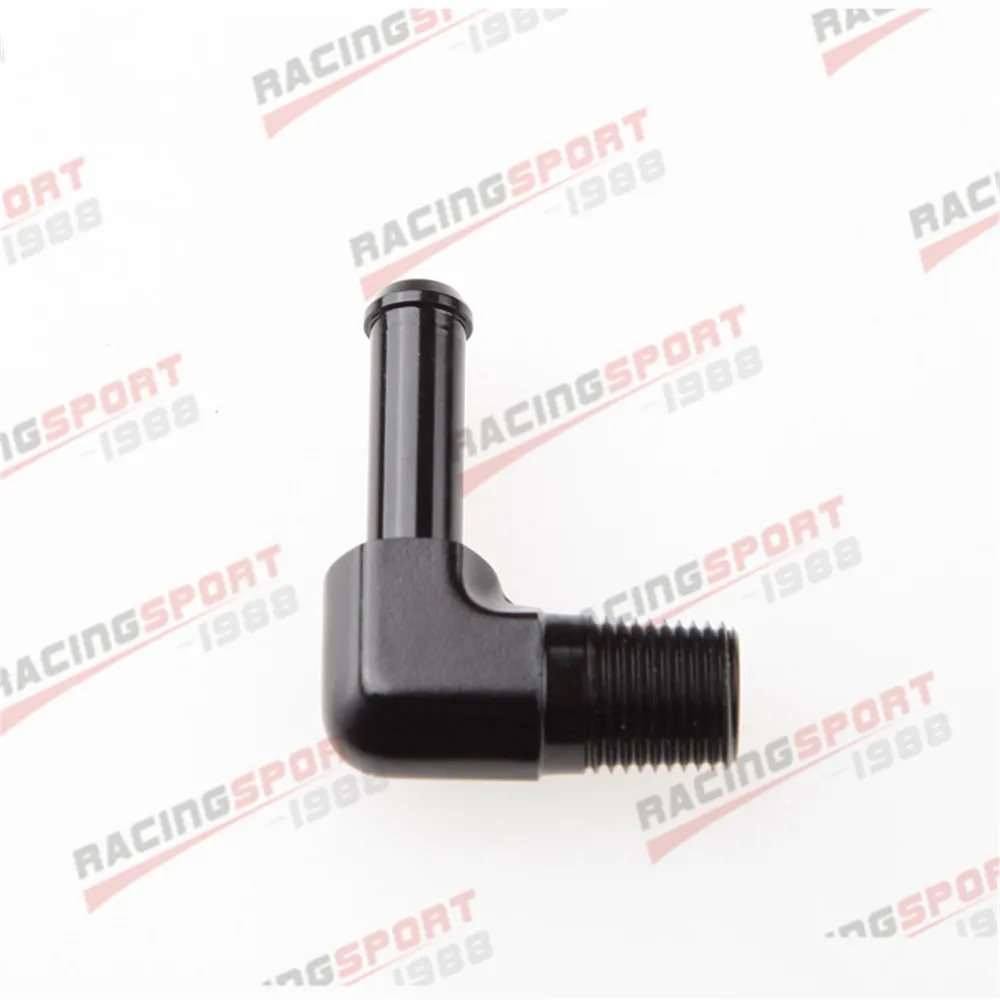 Note that it is a Ryco water-separator with a glass bowl at the bottom and a water bleed tap at the base.