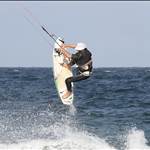
I agree. Existing wave knowledge is very important. Plus what the conditions are like. I've only gone into surf 3 times, but have spent lots of time scoping it out to see how to get out and if it was within my capacity to do so. Have chickened out a few times and am happy with that decision. Biggest surf had 1.5m faces. When riding waves, I didn't go the whole way in but gybed before it broke. Some would say it's a waste not to have used more of the wave (and it probably is

), but I didn't get smashed up in the whitewater if I muffed a gybe. Riding unbroken waves I found to be a real hoot.
I'm an intermediate who can gybe really reliably. I've windsurfed over 3 decades and supped for 2+.
What is the break like and what do you want to do with it?
Hollow breaks where the break is over your head when standing in water, I would completely avoid. It's gotten "smashed up gear" written all over it before you even get going.
I'd walk out into a break first with no gear to see how deep it is for getting out and whether the breakers will smother you or not. If you can get yourself out easily enough, then consider what you think it'd be like with limited ability to use your hands to swim out because theyre controlling a board and wing.
I know this isn't what surf-lifesaving would say, but the rips often tend to be a bit deeper with smaller or more rounded waves, and I've tried to get out the back through them. Again I wouldn't advocate getting into rips if you don't know what youre doing. Using rips can be more reassuring when you have a board with you as you have something to float you if you get dragged way out the back.
When going out, as soon as you can submerge your foil, flip it and get it underwater (to protect the wing from an unintended flip of board and foil onto a wing. Try and keep it out in front and swim/push the board through the waves while trailing the wing high to avoid it being caught in the whitewater. As soon as you're past the break, try and get up and going.
If you're unsure about any of the steps, break it down. Try getting yourself out there first. Next, go out with board only and see if you can manage with some redundancy. The try the wing on it's own. If it all seems too easy, try them together.
But time the sets I think is a big one for ease and minimising risk.