Velocicraptor said..
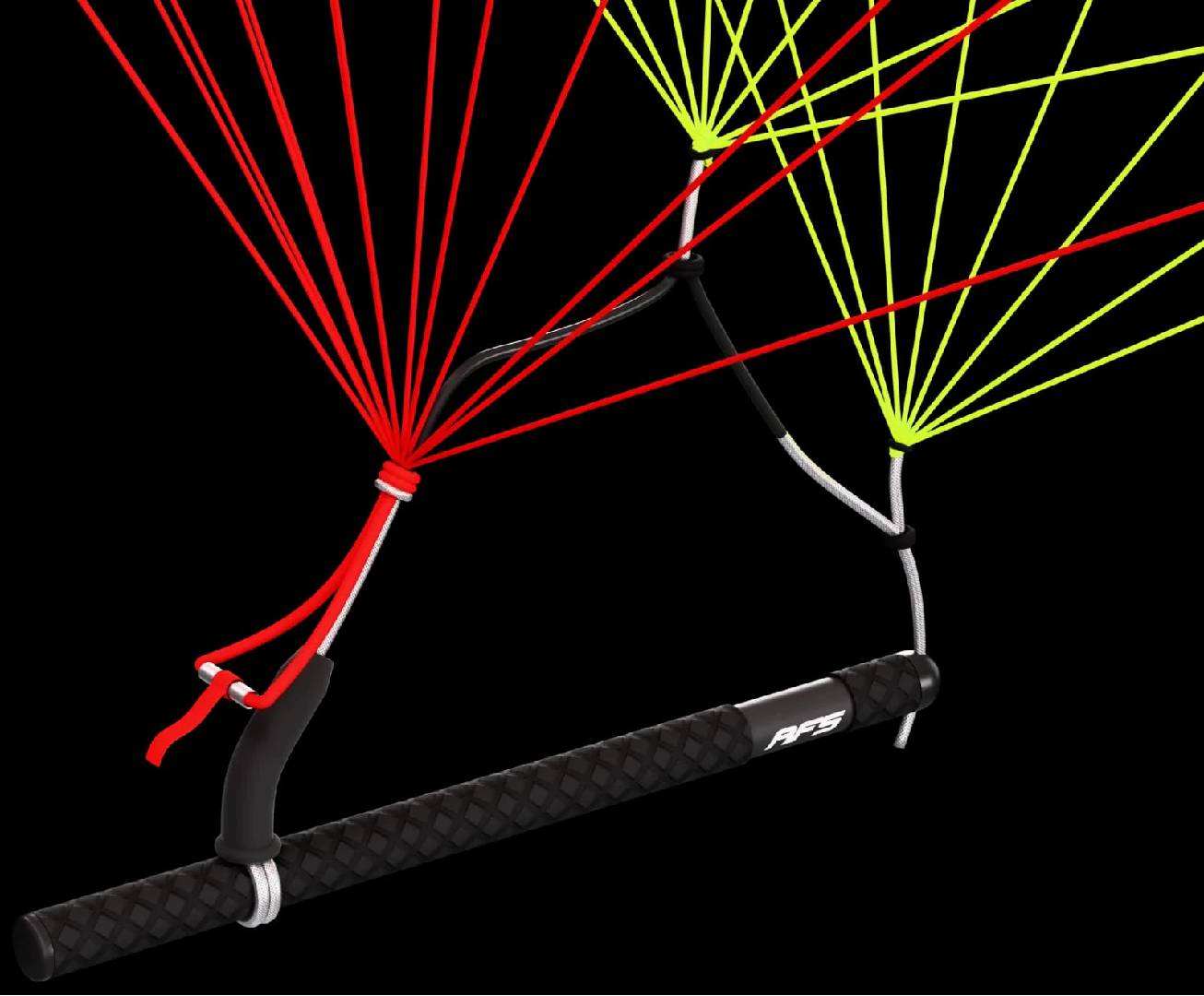
Kind of hard to assess without knowledge of the conditions. Only you know if the wind was gusty or shifty (either of which could lead to lack of control). How much wind was there? Aside from conditions, it could be that you are improperly applying tension to the lines. If you are putting too much tension on the front (a lines) or back (c lines) of the bar, the parawing can collapse, drop, lose steering or otherwise be difficult to control.
Similar to a wing - when I'm on the beach deciding whether a specific parawing size is correct for the conditions, I fly it stable, and lean against it. Typically if I can hold onto the bar and gently lean so that my weight is supported by the power in the parawing - I know its around the right size, but it definitely takes experience and feel. It shouldn't be ripping your arm off, and you should still be able to comfortably hold it in one and and pull it towards you bending an arm.
Trying to be helpful, but pretty hard to tell whats going on without more info though.
Thanks , that's pretty useful.
The big issue is that I struggle to tell the wind:
Forecast models are +/-5 knots or more and it is said to be 10 meters high.
My device to measure wind only tells me what is on the beach and it is not so helpful.
Recently I could experience that a "concave" coast like a bay make it wind uneven.
I have no sailing background.
It could be that there was more than 30 knots after all. Ironically my wing going wild is the best clue I have of the wind not being steady.
In those cases I either hold only the A lines and it stays still (but flap like hell) or just go crazy.
Wrapping the a lines one time around the bar helped somehow but hard to manage.
And no I am not blaming the wings ,frigate was clearly said not for beginner (though the discount said otherwise...).