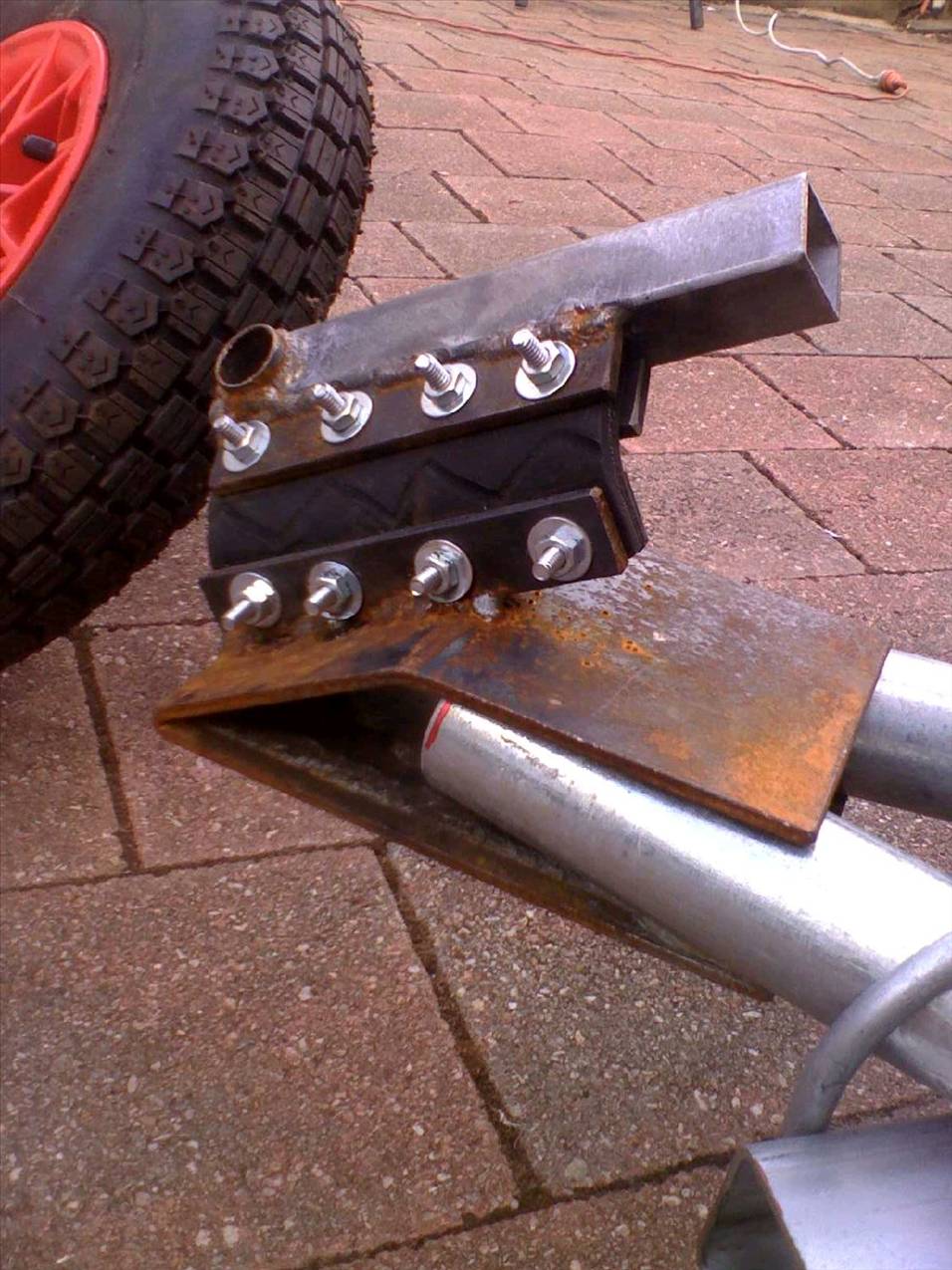
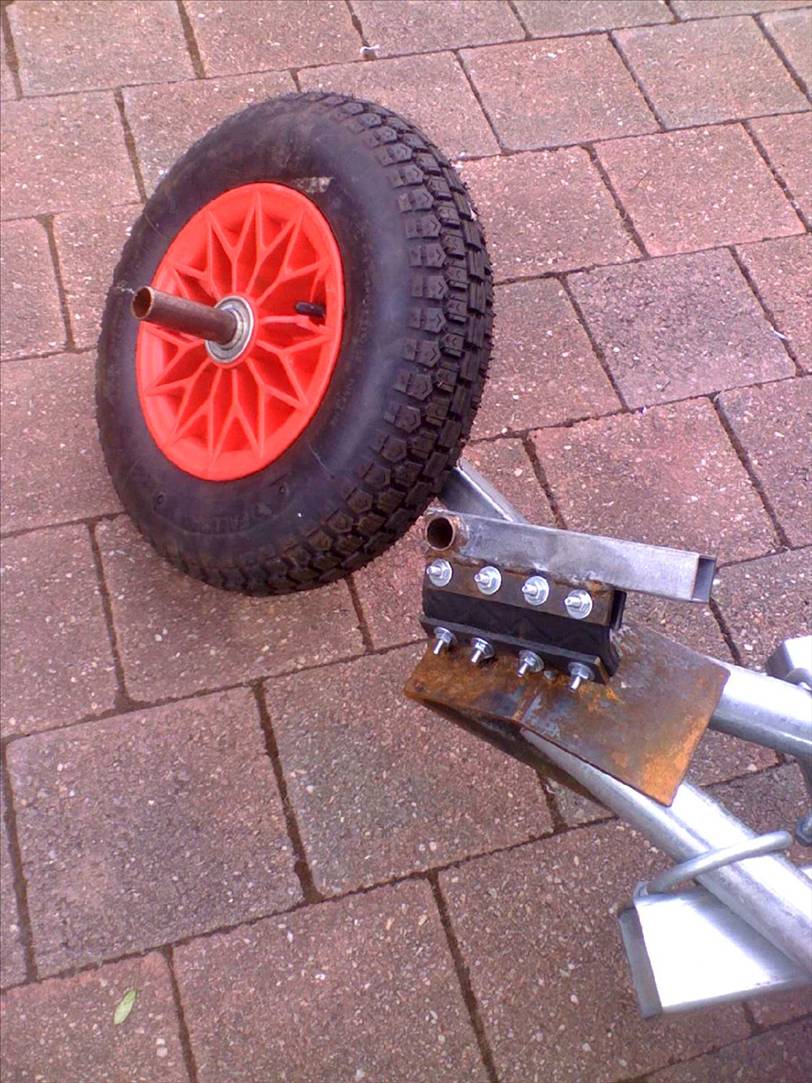
cisco said...Gizmo, you have done it again. This is looking like a very very good home builders project. The rubber steering is a brain snapper. The steel work on that looks like it could be lightened and still be just as strong as needed.
As far as I can see the only machine work required is the drillling of a number of holes.

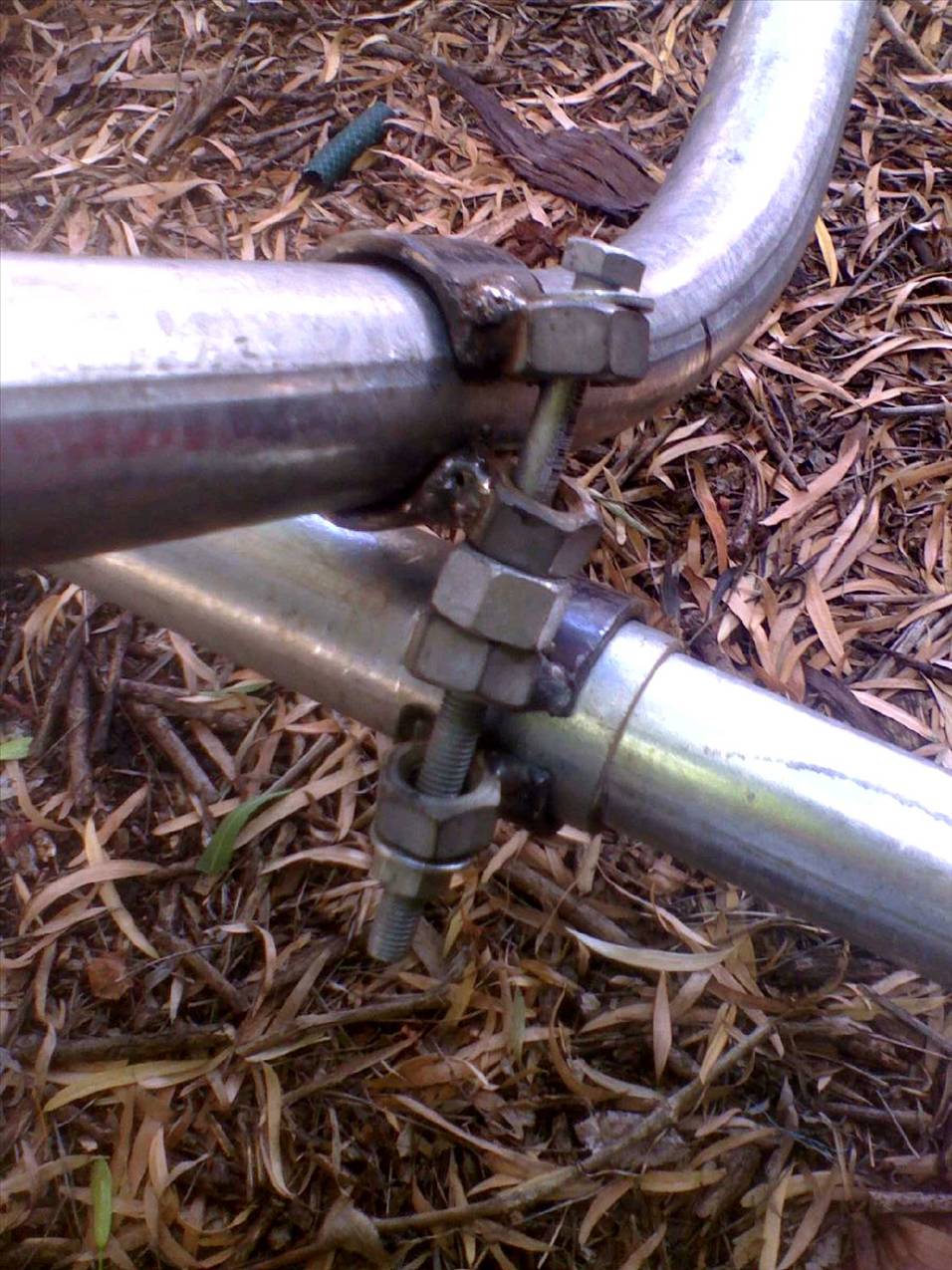
Can you give us a close up of the rear clamps and an explanation of the mast step?
The mast step looks like it will collect a huge amount of debris. Would sandwich plates do the job better than box sections?
Cisco the overall weight despite the extra main tube will be about the same as a LLMini as there is no wooden seat to add. The mast step needs to be cut down a bit which will reduce it slightly.
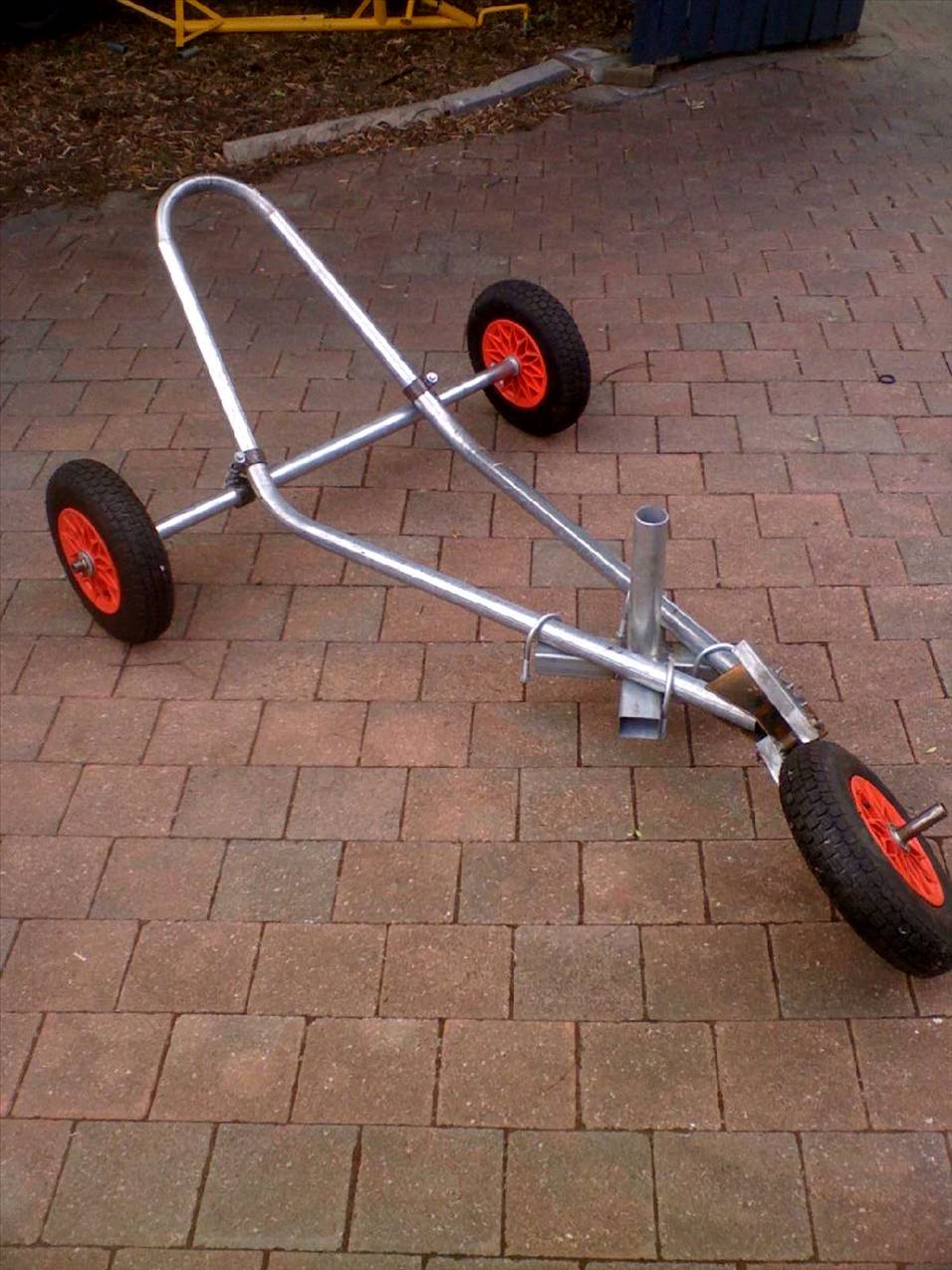
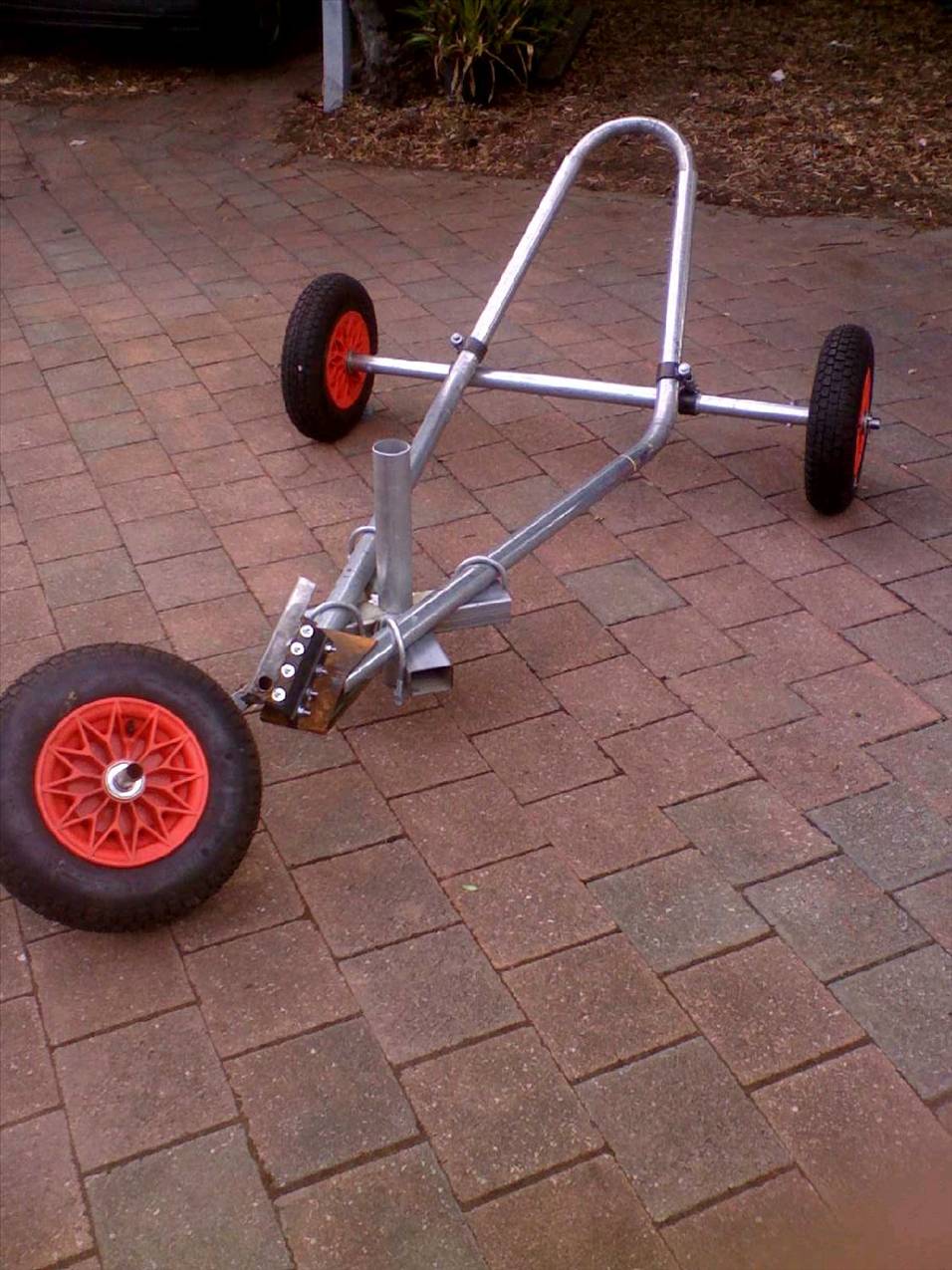
If this was to be made into a kit form yacht the only drilling req. would be 4 x 10mm holes for the steering bracket to the spine A frame tubes and 2 x 6mm holes for the rear stub axles.
The mast step could be mounted above or below the spine tube, im going below as it will get the rig lower, it puts the mast step 50mm below the A frame and also be protection for the sailors rear end. Overall it still gives the yacht 100mm clear ground clearance. The mast step is able to move forward and back +/- 150mm by adjusting the position and U bolts to get the CE / CR balanced, the mast rake could also be changed the same way using rubber spacers.
The clamps for the main axle are made similar to the clamps on "Wildfire" which worked well. If you wanted to make it as a class 5 the rear axle would be scaff tube which would use the same clamps.
Here is a pic of how it works... 2 clamps, 1 spacer nut and the bolt (only finger tight at the moment) the finished yacht will use high tensile bolts.



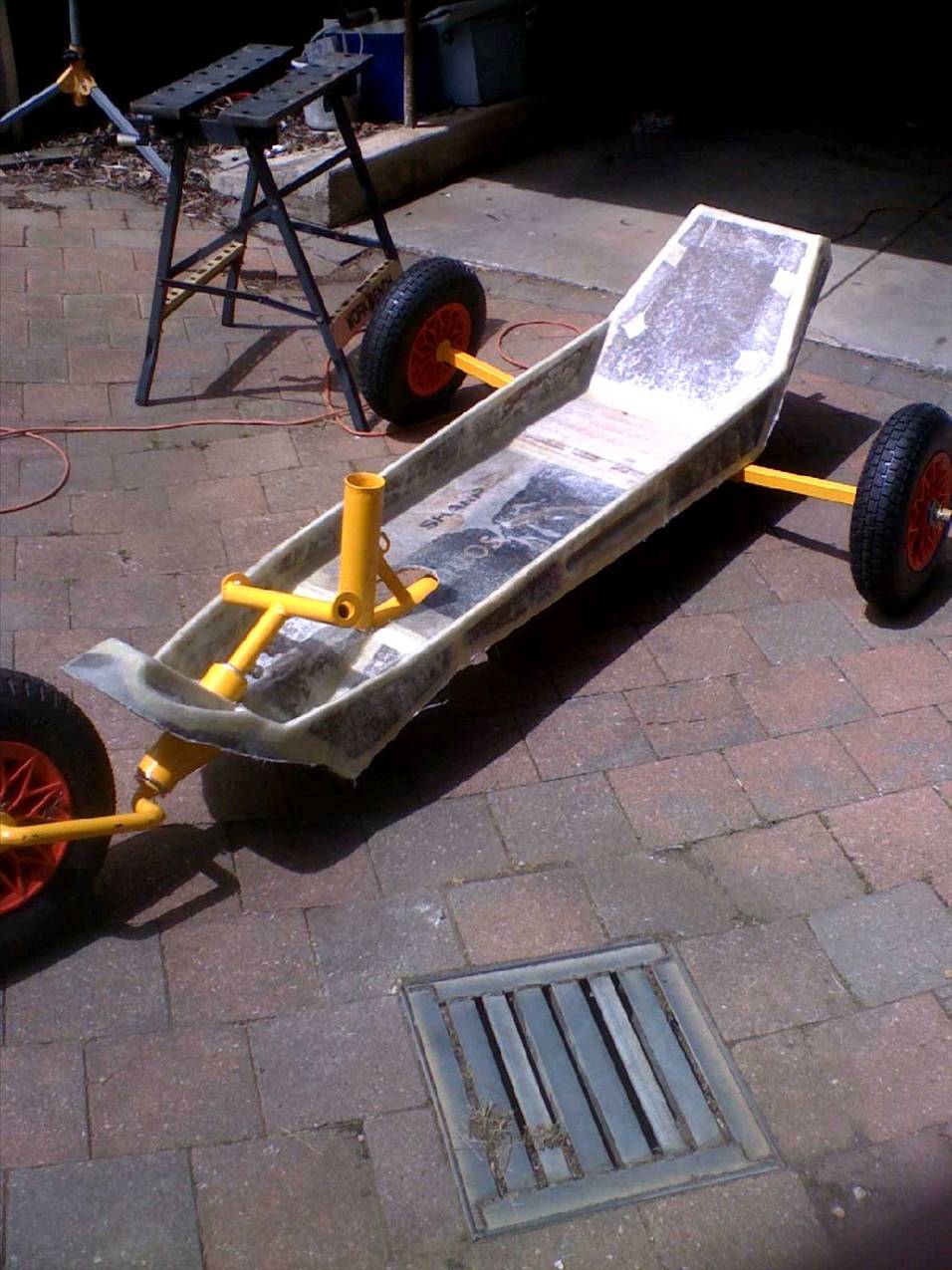
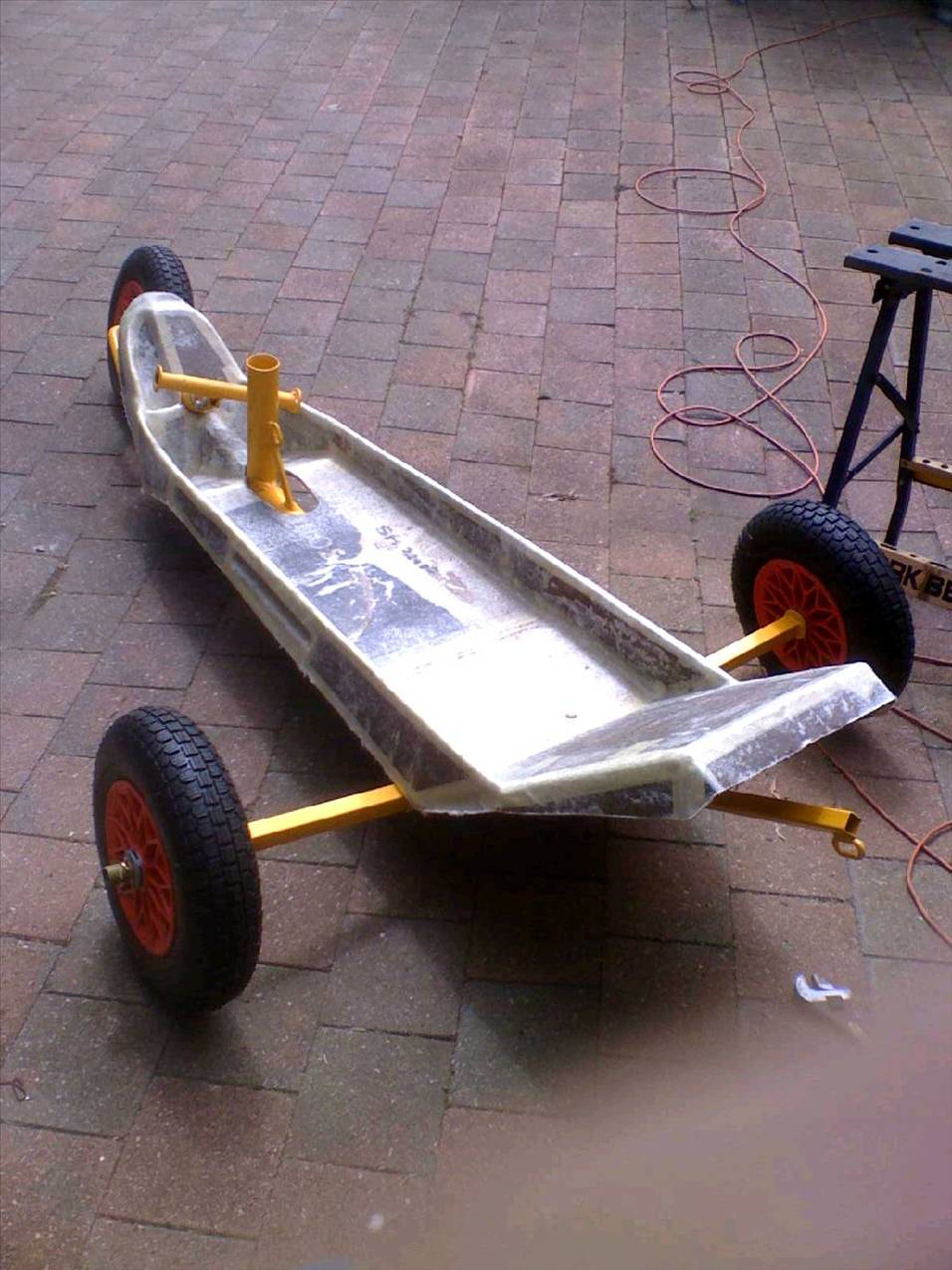
 )
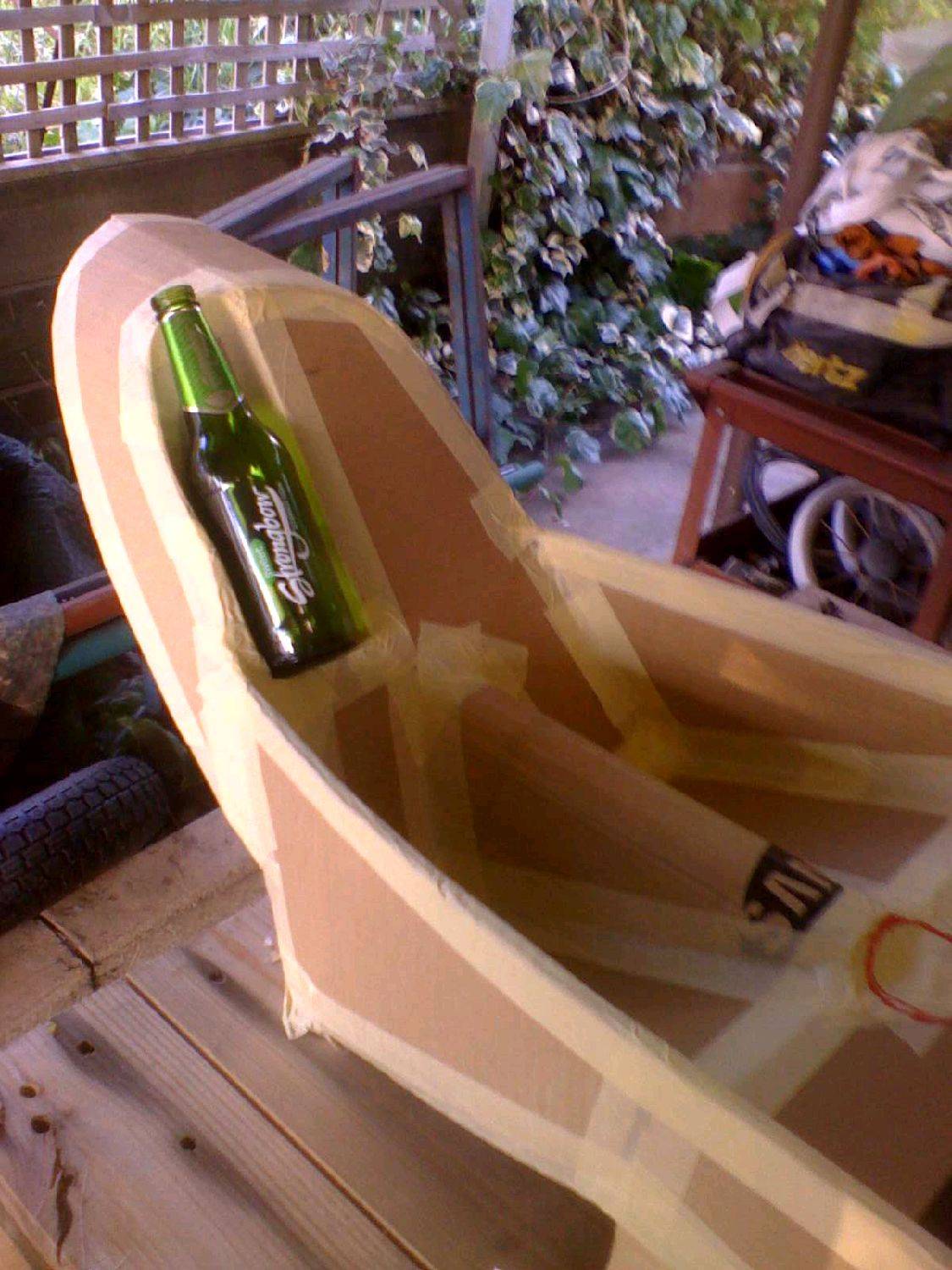
)
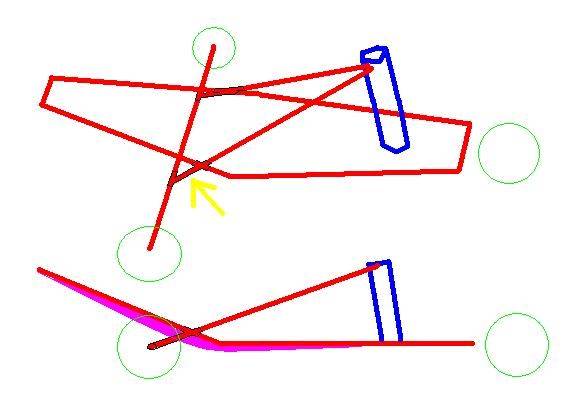
 Just ignore the mast step support tubes.
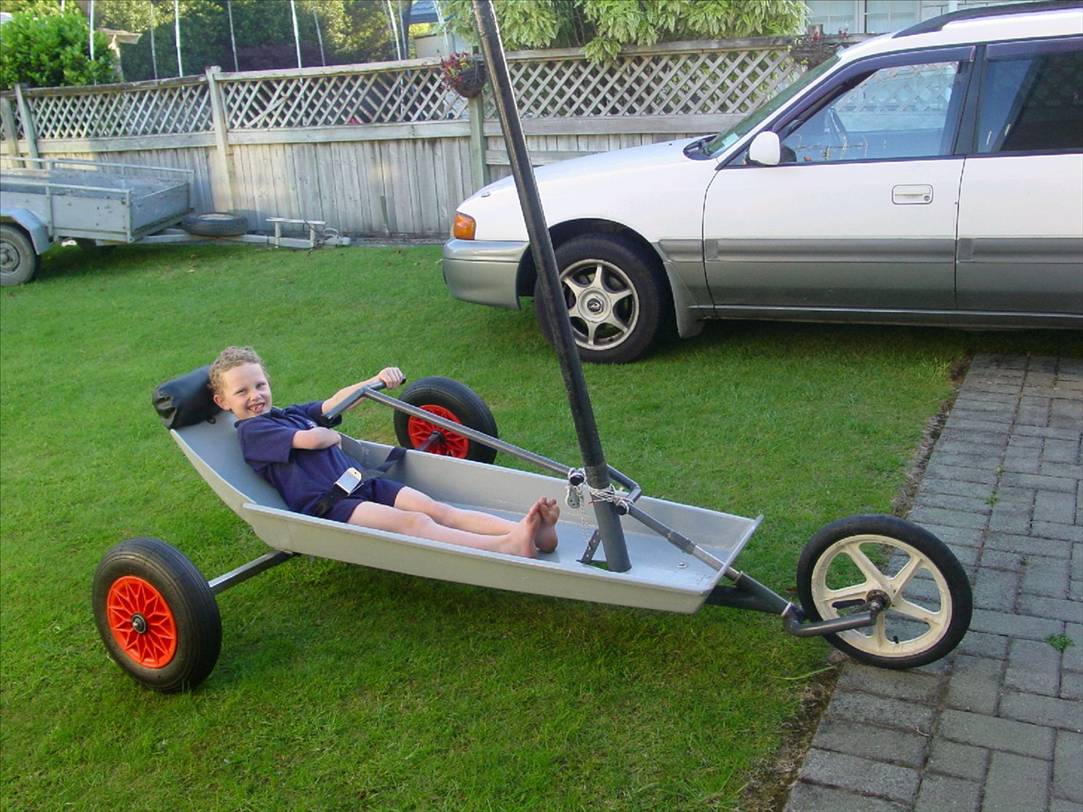
 , but the rubber steering,