Cold Water, Clear Vision: Winter Diving NSW

Quick summary
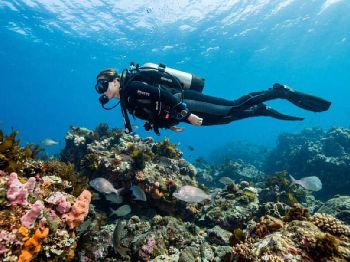
June to August is the best visibility window of the year for SE Australian diving: algae blooms die off, plankton thins out, and water clarity at sites like Jervis Bay regularly exceeds 30 metres.
Water temperatures drop to 14-17°C in NSW and 12-14°C in Victoria - a 5mm wetsuit is workable for most NSW sites, but a 7mm or semi-dry opens up longer dives without discomfort.
The how-to
Read this guide to understand which sites reward winter visits, how to configure your gear for cold water, and the species encounters that make winter diving worth the trip.
If you've only dived NSW in summer, you've been missing the best part of the year.
Winter strips the water of the plankton and phytoplankton that cloud summer conditions, and what's left is some of the clearest water on the east coast.
Jervis Bay regularly hits 30 metres of visibility in June and July, when algae blooms collapse and the ocean goes gin-clear.
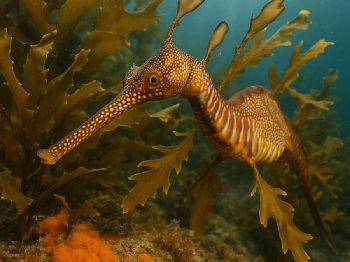
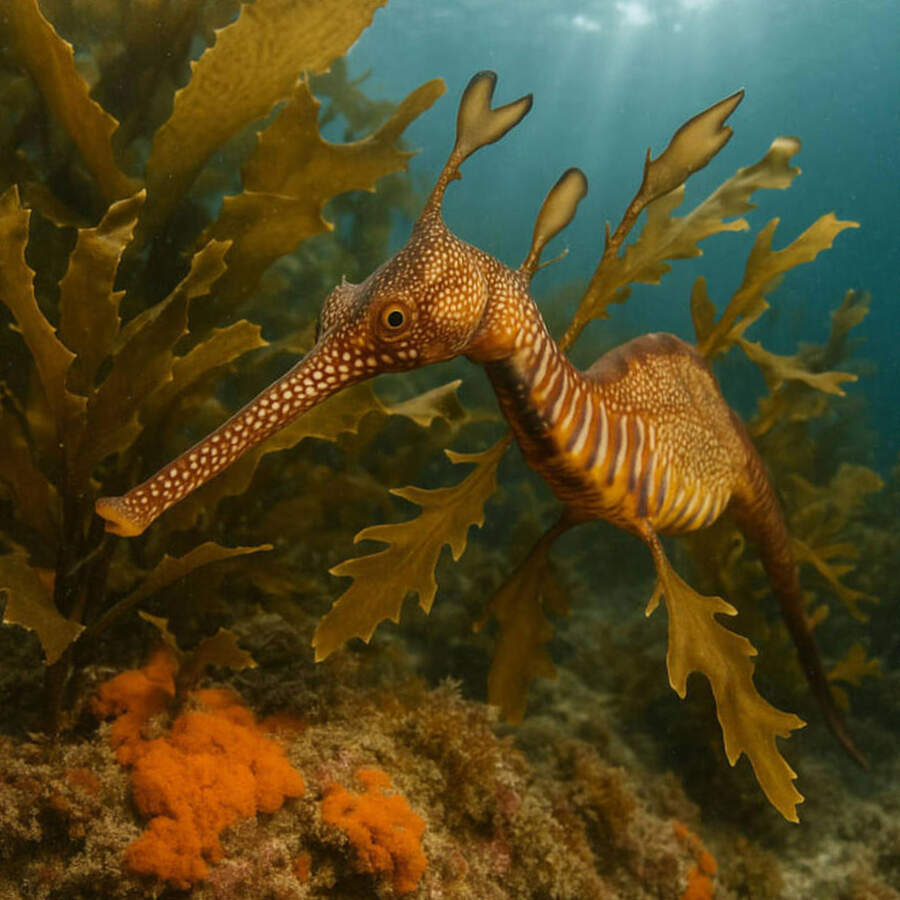
Kurnell's The Steps site, on Sydney's southern side, runs 15 metres-plus visibility through winter and is reliably stacked with weedy seadragons.
Abyss Scuba Diving, one of Sydney's most experienced PADI operators, puts it simply: "The calmest, clearest conditions often occur between April and September, when marine life is most abundant."
The temperature reality
NSW south coast water drops to around 15-17°C in June and July at sites like Jervis Bay and Kurnell, according to PADI dive guide data for the region.
Sydney harbour and nearshore sites stay slightly warmer, typically 16-18°C, with less tidal flushing.
Victoria is colder - Port Phillip Bay and the Mornington Peninsula typically run 12-14°C through the winter months.
Tasmania runs colder still, regularly hitting 10-12°C on open coast sites through July and August - at that temperature, a drysuit is the practical choice.
Choosing your exposure suit
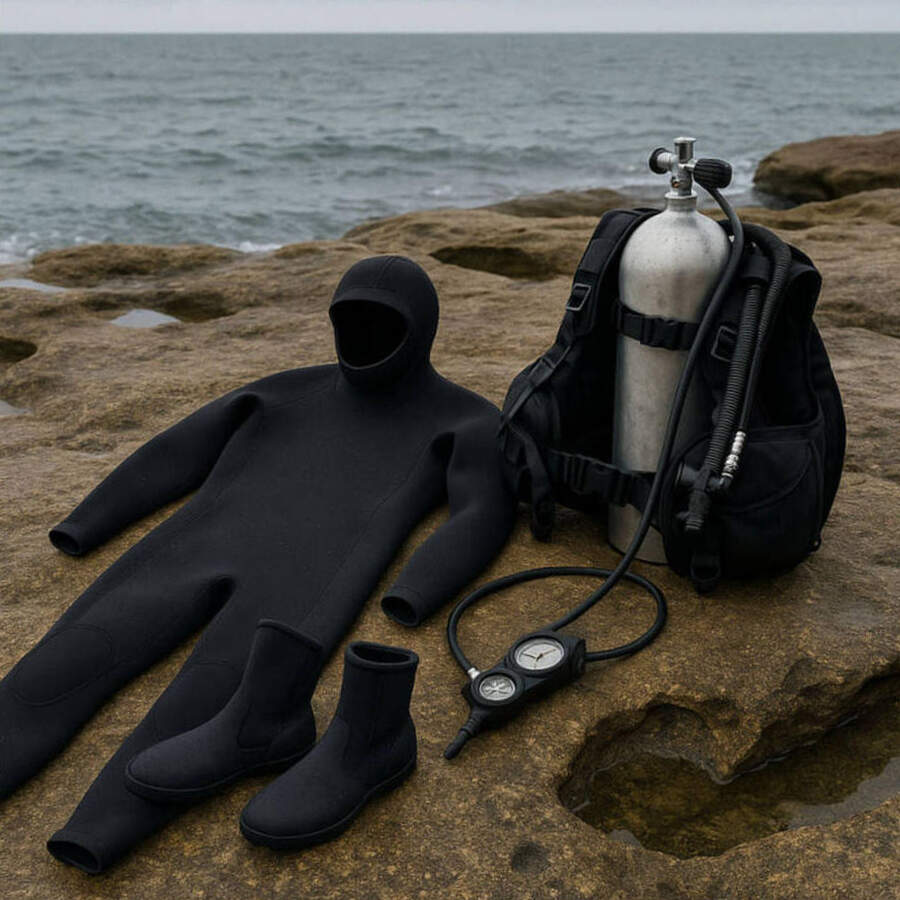
A 5mm wetsuit is sufficient for a single NSW dive at 15-17°C, but you'll feel it by the end of a 45-minute bottom time.
For back-to-back dives or anyone who runs cold, a 7mm wetsuit or semi-dry suit extends comfortable dive time considerably.
PADI's gear guidelines identify 10-17°C as the range where a wetsuit or semi-dry is suitable - but fit and construction quality matter as much as thickness.
A good hood and 3mm gloves make more difference than one millimetre of neoprene across the torso.
For Victorian and Tasmanian sites below 14°C, a drysuit starts to make more sense than stacking neoprene.
If you're planning regular south coast or Victorian winter diving, completing the PADI Drysuit Diver specialty is worth the investment - buoyancy in a drysuit is genuinely different to wetsuit diving, and it needs practice before you're underwater at 20m.
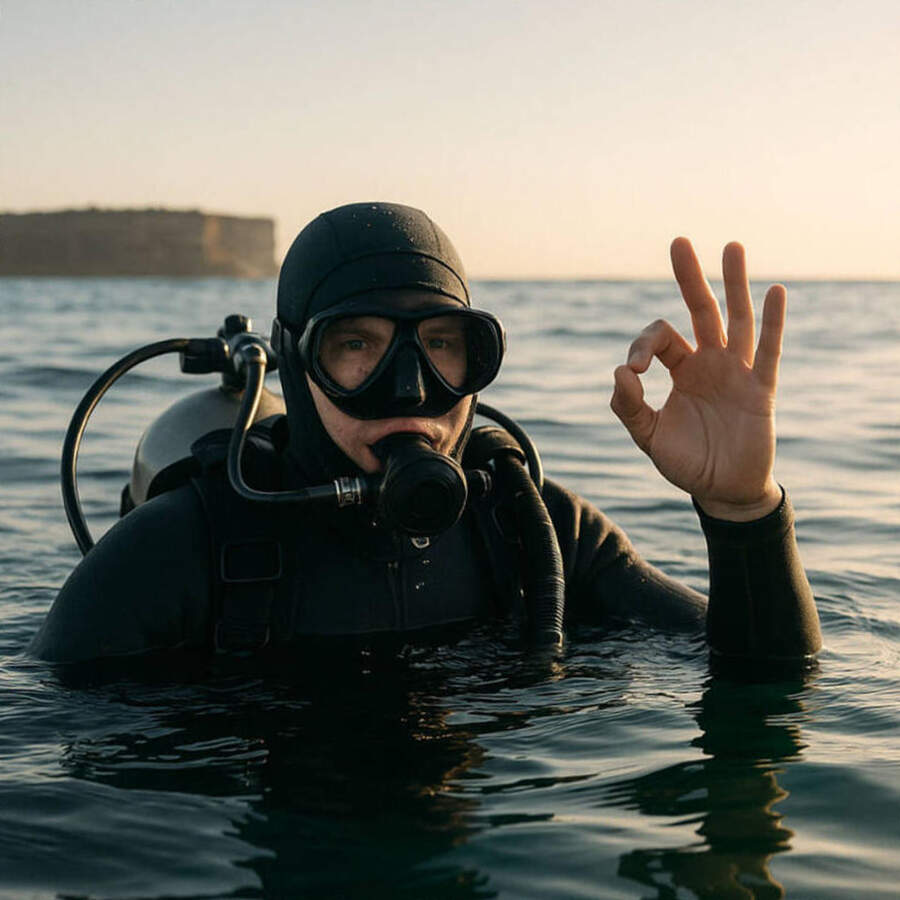
"A 7mm wetsuit or semi-dry opens up longer, warmer dives - and in winter, longer dives are where you'll find the seadragons."
Buoyancy changes in cold water
Thicker neoprene is more buoyant than your summer 3mm - a 7mm full suit adds several kilograms of positive buoyancy compared to your summer 3mm configuration.
Add extra weight before every winter dive, not just once at the start of the season.
As the neoprene compresses at depth, buoyancy changes rapidly - a correctly weighted diver at 5 metres will feel progressively more negative from 10 metres down as the suit compresses.
Compensate with your BCD earlier than you would in summer, in smaller increments.
Winter site guide: NSW and Victoria
The Steps, Kurnell (Sydney): Entry-level shore dive, max depth 10-12m, excellent winter visibility, and the best weedy seadragon density of any Sydney site - up to 15 sightings per dive have been reported by regular guides at the site.
Jervis Bay, NSW south coast: Multiple sites from entry-level to advanced.
Winter brings Port Jackson sharks gathering to breed in the shallow sandy zones, grey nurse sharks in the deeper channels, and whale songs audible underwater from July onwards when humpbacks pass through.
Visibility regularly exceeds 20-30 metres through June and July.
Fish Rock Cave, South West Rocks: A 120-metre underwater cave system and the most reliable grey nurse shark dive on the east coast.
Peak grey nurse aggregations run May through September, with grey nurse numbers peak here between May and September, with large aggregations using the cave as a resting and feeding ground.
Visibility averages 10-20 metres, and humpback whale encounters are possible on the open water sections of the dive from July.
Flinders Pier, Victoria: The most accessible weedy seadragon site in Victoria, with good winter visibility when southerly swells aren't running.
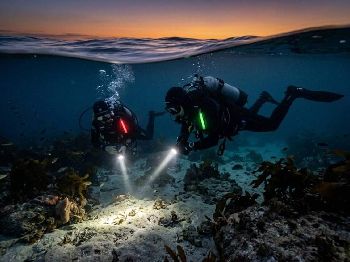
Depths max out at around 10m, making it an excellent night dive site for winter seahorse, pipefish, and nudibranch encounters.
Common mistakes on cold-water dives
Overexerting on the surface. Cold water and a thick wetsuit require more effort to move through at the surface - swim calmly from entry to descent point and your body temperature stays stable through the bottom time.
Skipping the hood. Heat loss from the head and neck is disproportionate to the surface area involved.
Even a 3mm hood on a 7mm body suit reduces core temperature loss considerably and extends comfortable dive time by 15-20 minutes at 15°C.
Not checking weighting before the dive. Ditching weights mid-dive because you're too heavy means a rapid ascent - always confirm your winter weighting in shallow water at the start of each session, not at depth.
Staying too long. Cold water fatigue is real and less obvious than feeling cold.
Plan winter dives to 75% of your air use, surface with 50 bar rather than your usual 30, and prioritise a warm vehicle or shelter for the exit.
Planning and conditions
Winter swell windows are the key variable for shore dives on exposed sites.
The Steps, Kurnell, and Bare Island are sheltered from southerly swell but exposed to north-easterly chop - check wind direction as well as swell height before committing to a drive.
Jervis Bay's western side is sheltered from most swell and wind directions, making it the most reliable winter dive destination on the NSW coast regardless of conditions.
Track swell and wind using Seabreeze Jervis Bay forecasts before committing to a trip.
Questions divers ask
Can I use my tropical gear for winter NSW diving? A 3mm shorty or thin tropical wetsuit won't keep you warm below 17°C for more than 20-30 minutes - you'll exit early and feel miserable for the rest of the day.
Do I need Nitrox for winter dives? Nitrox reduces nitrogen loading and extends bottom time - in cold water where the temptation is to stay down longer to find species, it's worth using on any 20m-plus dives.
How do I find weedy seadragons? Search at 5-10m depth over rocky reef covered in kelp and sponge.
Move slowly, look at structures rather than midwater, and spend a full minute examining any kelp frond before moving on - seadragons are extremely well camouflaged.
Is Fish Rock Cave suitable for open water certified divers? The full swim-through requires advanced open water certification at minimum, given depths to 24m and overhead environment sections.
South West Rocks Dive Centre runs guided dives for advanced certified divers with appropriate experience.