Reef Snorkelling: Fit Your Kit and Go

Why Reef Snorkelling Is Different
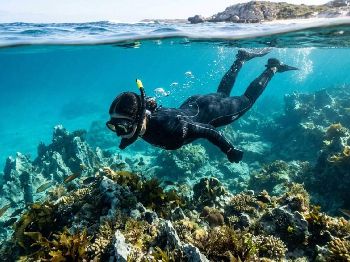
Snorkelling a reef is unlike swimming in a pool or a calm bay. Surge, currents, sharp coral, and unpredictable depth changes all demand specific gear and technique. Getting the basics right means you see more, last longer, and avoid the common pitfalls that ruin first-timers' trips.
Mask Selection and Fit
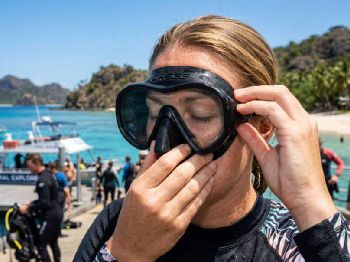
Fit beats brand every time. Press the mask to your face without using the strap — if it stays on by suction alone when you inhale through your nose, it fits. A leaking mask wastes energy clearing water and kills concentration.
- Single-lens masks give the widest field of view — ideal for reef scanning
- Silicone skirts (not PVC) seal better and last longer in saltwater
- Low-volume masks are easier to equalise and clear if water gets in
- Defog before entering: a thin layer of toothpaste, defog gel, or even fresh saliva rubbed in and rinsed lightly prevents fogging
Fins: Match Them to the Conditions
Long, stiff blades generate power in current; short, soft blades are kinder to beginners and tight reef passages.
- Open-heel fins with boots are better for rocky entries — protect your feet on barnacles and sea urchins
- Full-foot fins are lighter and good for calm, sandy entries
- Avoid kicking on shallow reef — tuck fins up, use gentle sculling with your hands to position yourself
Snorkel Choice
A dry-top or semi-dry snorkel prevents water rushing in when a wave catches you. Purge valves make clearing easy. Keep the tube short — long snorkels increase dead-air volume and make breathing harder. Attach it to your mask strap on the left side so it doesn't tangle with a dive flag line on the right.
Wetsuit for Australian Reefs
Water temperature around Australian reefs ranges from 12°C in Victorian winter to 29°C in the tropical north — pick your thickness accordingly:
- Tropics (QLD, NT, WA north): 1–2mm steamer or rash vest — sun protection as much as warmth
- NSW, SA, WA south: 3mm in summer, 5mm in winter
- VIC, TAS: 5–7mm year-round, gloves and hood in winter
A wetsuit also protects against jellyfish, coral abrasion, and sunburn on long sessions.
Buoyancy and Freediving
To duck-dive for a closer look, exhale fully, bend 90° at the hips, push your legs straight up — gravity does the rest. Once below, streamline your arms by your sides and use slow, steady fin kicks. A snorkelling vest adds safety for beginners and lets you rest at the surface without treading water.
Choosing a Reef Site
Read the conditions before you get wet:
- Check the Seabreeze wind forecast — offshore wind means clean, flat conditions; onshore chop stirs up sediment and reduces visibility
- Avoid high-surge days — surge on a shallow reef is exhausting and risks contact with coral
- Rocky entries are best at low tide; sandy channels open at high tide
- Early morning gives the best light angle for colour and visibility underwater
Entry and Exit
Rocky entries: put your fins on in the water, not on the rocks. Sit at the edge, slide in feet-first, then fin away from the rocks before the next wave arrives. Exit in reverse — wait for a calm set, fin in, grab a handhold, remove fins in the water.
Sandy beach entries: walk backwards in your fins to the knee, fall forward, and fin out through the break. Time your exit between sets.
Safety Basics
- Never snorkel alone — buddy systems save lives
- Use a surface marker buoy (SMB) if you're snorkelling away from shore or in boating areas
- Check the Seabreeze warnings page for coastal hazard alerts before entering
- Sun protection: polarised sunglasses while surface swimming, reef-safe sunscreen on exposed skin, rash vest or wetsuit for long sessions
- Know the signs of cold water shock — gasping, rapid breathing, panic — and get out immediately if you feel them coming
What to Look For
Reef snorkelling rewards patience. Stop finning, hang motionless at the surface, and watch. Fish habituate to a still observer within 30–60 seconds. Look for:
- Cleaning stations — small cleaner wrasse servicing larger fish
- Cuttlefish hovering in weedy patches
- Wobbegong sharks resting on the bottom (harmless if not touched)
- Blue-ringed octopus in rock crevices — beautiful, but dangerous. Do not handle.
- Nudibranchs on reef walls — slow down and check shaded underhangs