Winter Viz: Why Cold Water Looks Clearer

Quick summary
- Late winter on southern and WA coasts often delivers the best visibility of the year because the water is cooler, phytoplankton production is lower than spring, and fewer swimmers are stirring sand.
- The exception is rain. River plumes at the Onkaparinga, the Murray Mouth and east coast flood pulses will wipe out viz for days.
- Good late August windows include Rottnest and the Perth metro beaches, Jervis Bay, Byron in a dry spell, and Ningaloo in the dry season.
- Pre-fog your mask on the beach, because a dry mask fogs faster in cold water.
- Warmth and clarity trade off, so a colder day with 15m viz beats a 22C soup day.
The how-to
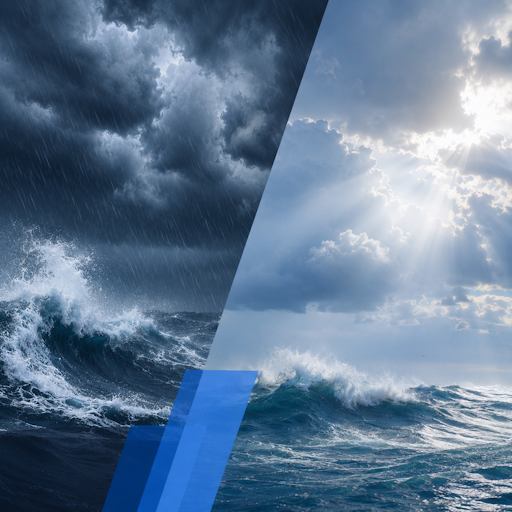
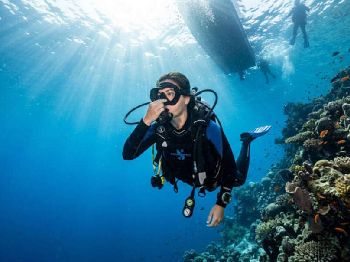
Right now, in the last week of August, the water off southern Australia is close to its annual low temperature and often close to its annual best clarity.
That is not a coincidence, and it is the single most useful piece of timing knowledge a snorkeller on this coast can hold.
Below is what drives it, where to use it this week, and how to stop your mask ruining the view.
Why cold water goes clear
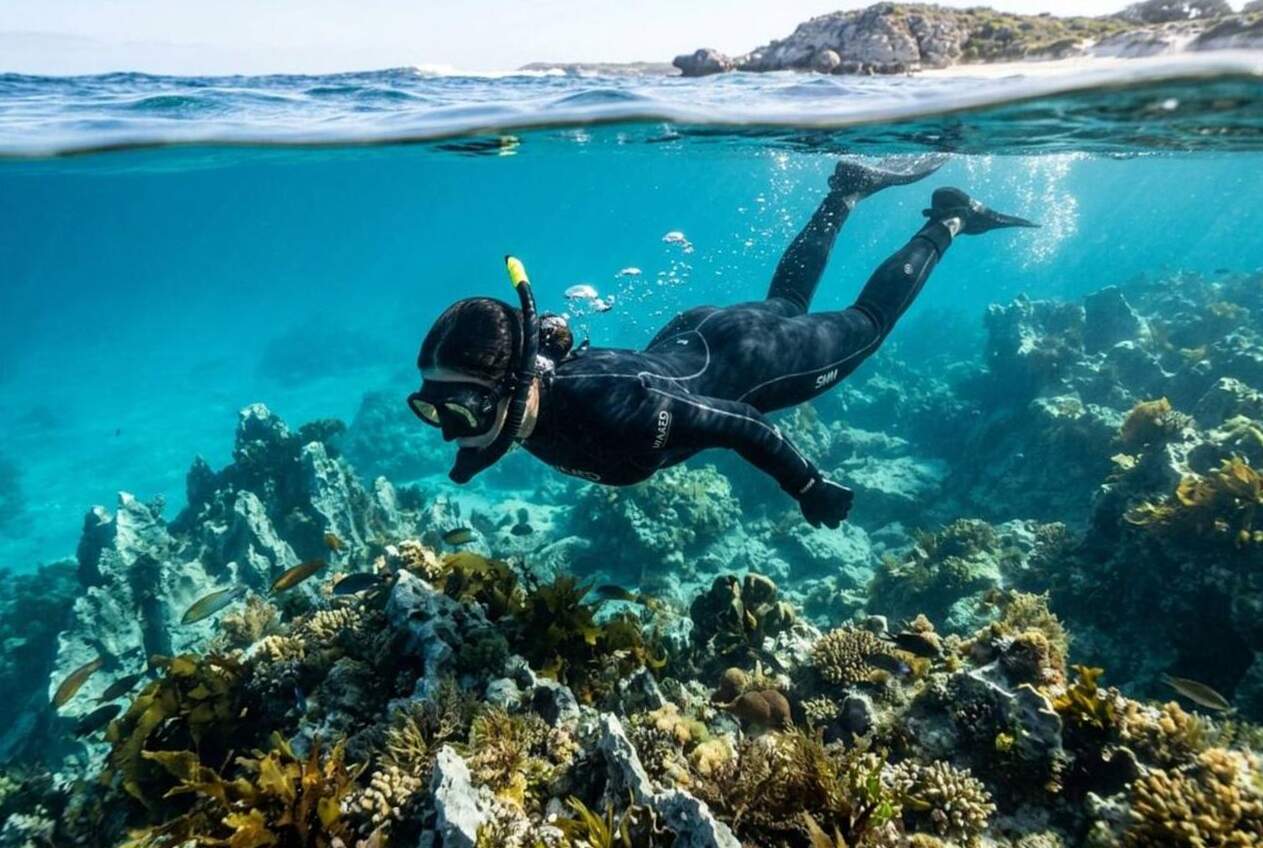
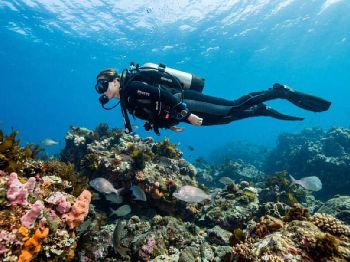
Less growing in it. Phytoplankton production is lower in late winter than it is in spring, so there is less living material suspended in the water column between your mask and the reef.
When the spring bloom arrives, that same site can drop from 15m of viz to 4m of green haze in a fortnight, with no change in swell at all.
Fewer feet in the sand. Beaches that carry hundreds of swimmers in January carry a handful in August, and every one of those swimmers is a small sand pump.
Shallow sandy entries and lagoon edges are the biggest winners here, because they are the spots most sensitive to being stirred by people rather than by swell.
Cooler, more stable water. Cooler water holds less biological activity overall and, on settled winter days behind a high, sits with less surface mixing than a hot afternoon seabreeze delivers.
Visibility is a product of what is growing in the water and what is being stirred into it, not how warm your hands feel.
The exception you must respect
Rain kills it. After heavy rain, river plumes push a load of sediment and tannin out into the nearshore zone and visibility collapses to arm's length.
In South Australia that means the Onkaparinga and the Murray Mouth, and on the east coast it means flood pulses running out of every catchment after a big system.
A brown plume with a defined edge is not a snorkelling site, it is a place to look at from the headland and come back to later.
Give a decent rain event three to five settled days before you plan on clear water anywhere downstream of a river mouth.
If you are not sure whether a plume has cleared, ask in the forums , because somebody local has almost certainly had a look this week.
Where late August pays off
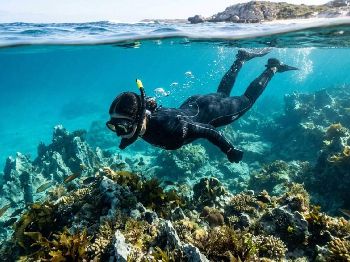
Perth and Rottnest. Between fronts, the metro beaches and the Rotto bays run glassy and clear, and the limestone reef structure shows up in a way it rarely does in summer afternoon chop.
Watch for the gap between systems rather than the temperature, and check the a local wind forecast for a light morning offshore.
Jervis Bay. White sand and deep clear water in a dry spell, with far less boat traffic and far fewer swimmers than the December version of the same bay.
Byron in a dry spell. The Cape can be excellent in late winter, but this one lives or dies on rainfall, so it is a poor choice in the week after a big east coast low.
Ningaloo. Dry season, so there is no river input to worry about, and the lagoon and back reef sit clear for days at a time.
Everywhere, plan your session around slack water rather than a running tide, and use the tide times to line that up.
Stop the fog before you get wet
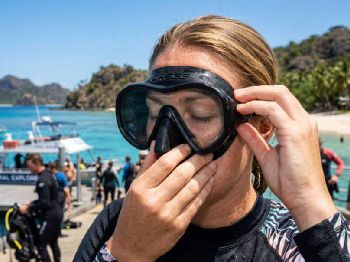
Pre-fog on the beach. Cold water fogs a dry mask faster than warm water does, because the temperature gradient across the lens is steeper.
Spit in the mask, or use a single drop of baby shampoo, rub it across the inside of the lens with a finger, then rinse once and leave it at that.
Rinse twice and you have removed the film you just applied, which is the most common reason people fog up 30 seconds into a winter session.
Do it before you walk down to the water, not while you are standing shin deep with cold hands.
Rubber for the temperature
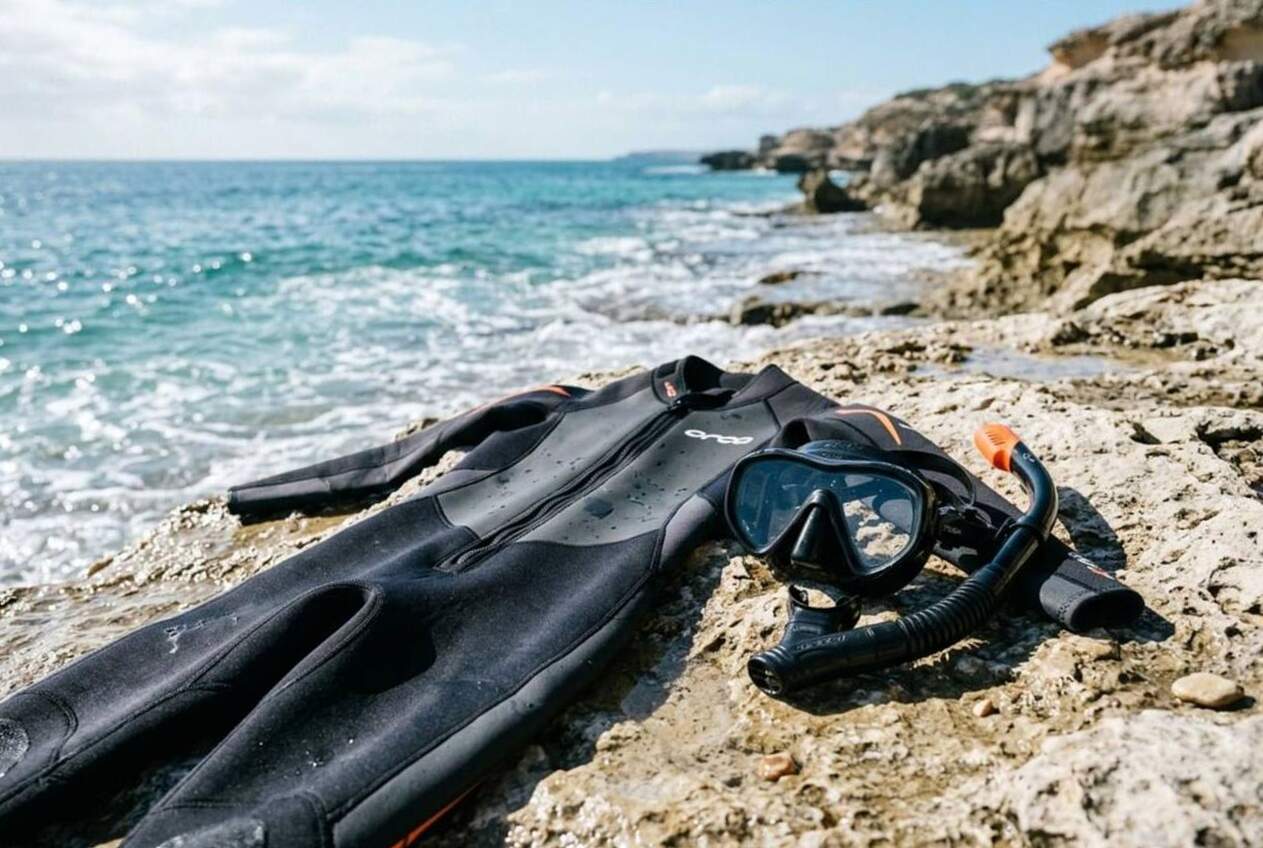
Match the suit to the coast. A 3mm is usually enough in the south east on a warm winter day, while the south west and Victoria are 5mm territory in late August.
Add a hood or a beanie if you get an ice cream headache, because losing heat through your head is what shortens most winter sessions.
Booties matter more in winter too, since rocky winter entries are colder underfoot and you will be standing around more between drifts.
Skills and safety are unchanged
Buddy, exit, surge. PADI and SSI both teach the same three things, and none of them get easier because the water is clear.
Stay with your buddy, know your exit before you swim out, and watch the surge against any rock platform you plan to climb back onto.
Where a patrol is running, snorkel between the flags and let the lifesavers know what you are doing and roughly where you are going.
Practise your mask clear in the shallows first, because a cold flood of water across the face triggers a much bigger reaction than a warm one.
Working SSI and PADI instructors on the WA coast start students in August because the water is clearer even if it is colder.
The trade most people get wrong
Warmth and clarity pull in opposite directions. Most snorkellers wait for summer because it is warmer, and in doing so they miss the clearest water of the year.
A day that is 2C colder with 15m of viz will show you more fish, more structure and more behaviour than a 22C day in green soup.
Once you accept that, your planning question changes from how warm is it to how long since it rained and how settled has the wind been.
That is a much better question, and it is one you can actually answer from a forecast page the night before.
Before your next session
How many days has it been since decent rain in the catchment upstream of your site?
Do you know your exit point, and does your buddy know it too?
Is your suit right for that coast in late August, or are you planning to tough out a 3mm in Victoria?
Have you treated your mask on the beach, or are you still doing it in the water?
Next session, pick a site with no river mouth within 10km, treat your mask before you leave the car, and time your swim for slack water.