Warm Winter Offshore: BOM's 2026 East Coast Call

In short
BOM is forecasting a warm, dry winter for most of eastern Australia, with ocean temperatures already running 3-4°C above average off NSW and eastern Tasmania.
More high-pressure systems and fewer fronts than average means better offshore windows - but warm water will push familiar species into unexpected depths and locations.
What to watch
El Niño thresholds in the tropical Pacific are close to being crossed, which will reinforce the warm, dry pattern well into spring.
The Bureau of Meteorology's winter 2026 outlook is direct: eastern Australia is heading into a warm, dry season, and the ocean is already reflecting that shift.
Sea surface temperatures off NSW are running 3-4°C above average for the week ending 7 June 2026, according to BOM's SST analysis.
Eastern Tasmania is showing the same anomaly, and the Tasman Sea more broadly is tracking 2°C above average - a pattern BOM expects to continue through to August.
Above the ocean, the story is the same.
BOM is forecasting a 60-80% chance of below-average rainfall across southeast Queensland, eastern NSW, most of Victoria, southern South Australia, eastern Tasmania, and western parts of Western Australia through June to August.
"The BoM is forecasting unusually warm and drier conditions until September," BOM reported through SBS News on 21 May 2026.
For the water sports community, that combination - fewer frontal systems, more stable high-pressure ridges, and warm water - changes the winter planning picture.
What's driving it
El Niño is the primary engine. Sea surface temperatures in the central tropical Pacific are now exceeding El Niño thresholds, and BOM's models forecast continued warming there through winter.
An El Niño suppresses the moisture-laden easterlies that normally bring winter rain to the east coast.
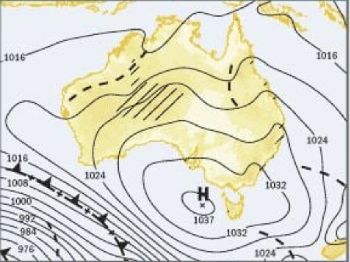
It also keeps the subtropical ridge further south than average, producing more prolonged high-pressure windows over the Tasman Sea and southern ocean approaches.
For the offshore fleet, those extended highs are the windows you plan months around.
The Indian Ocean Dipole is currently neutral at -0.34°C, as of 7 June 2026, according to BOM's weekly monitoring.
BOM notes a positive IOD is possible during winter-spring, reinforcing dry and warm conditions across southern and eastern Australia.
If that eventuates, the warm, stable pattern extends well beyond August.
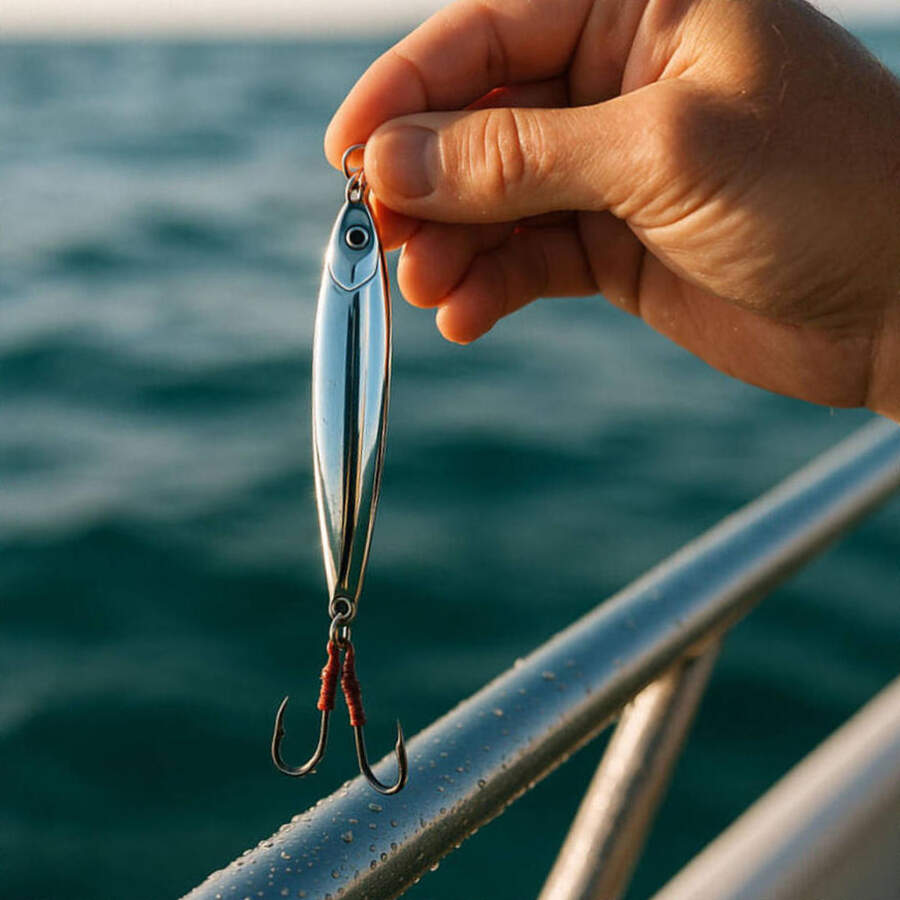
What warm winter water means for fishers
Yellowtail kingfish are the species most directly affected by the elevated SSTs.
Warm water keeps kingfish active and feeding through June and July, when in cooler winters they tend to move deeper and become less responsive to surface presentations.
NSW south coast and Sydney offshore grounds hold potential for unusually active surface kingfish action this June, given water temps running well above the historical June average of around 17-18°C.
Yellowfin tuna are worth tracking off the northern NSW and southeast Queensland coasts.
In normal El Niño winters, the warm water pushes tuna habitat further south and holds it there for longer than usual.
In previous El Niño winters - 2015-16 and 2023-24 - yellowfin tuna were taken off Port Stephens and the Solitary Islands grounds through July, further south and later in the season than typical.
Snapper and bream on inshore reefs will be less affected by SST anomalies, but fishing pressure on those species often drops in winter as anglers assume conditions are poor.
Warm water means feeding windows stay longer and more predictable through the day rather than compressing to a brief dawn slot.
What it means for divers
Elevated winter water temperature simplifies cold-water diving planning for NSW and southern Queensland divers.
Sydney and the south coast are likely to see 18-20°C surface water rather than the usual 15-16°C winter baseline, which extends the comfortable range for 5mm wetsuit users by a full month either side of the winter solstice.
The trade-off is potentially reduced visibility at some sites.
Warm water fuels phytoplankton growth even in winter, and some inshore reefs may see greenish water through June and July.
Exposed headlands and sites with oceanic current exposure - North Head, the Solitary Islands, and offshore reefs from 20m depth - are likely to hold better visibility than sheltered bays.
Bar crossings and offshore windows
Fewer fronts does not mean no fronts. Cold fronts tracking across the Southern Ocean will still produce gale-force winds and dangerous bar conditions - they'll just be spaced further apart than in an average winter.
The windows between systems will be longer and more clearly defined this year, making planning a multi-day offshore trip more achievable.
Bars on the NSW mid-north coast and southeast Queensland - Coffs Harbour, Ballina, Brunswick Heads - can be accessible for multiple consecutive days during a winter high, rather than the one or two days common in wetter winters.
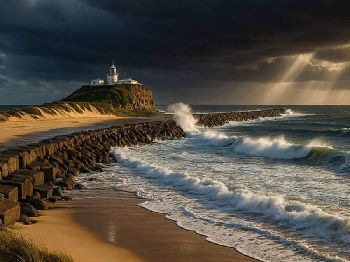
Watch the southern swell train. Reduced frontal activity doesn't mean flat seas - long-period swells from deep Southern Ocean fetches still arrive on east-facing coasts regardless of local wind.
Check swell period carefully before any bar crossing: a 16-20 second swell at 2.5m is far more dangerous than a 3m swell at 8 seconds, and both can occur under otherwise benign local conditions.
Frequently asked questions
Does a warm winter mean fewer fish overall? No - for most target species on the east coast, warmer winter water extends the active feeding season, concentrates baitfish on warmer current edges, and keeps pelagics south for longer.
Will warm water push kingfish away from usual spots? Possibly. King fish favour current edges and temperature breaks. With a warmer water column overall, those breaks occur deeper and further offshore - look for the 20°C line using SST charts rather than relying on seasonal habit.
Is the dry winter forecast reliable? BOM's June-August outlook carries 60-80% confidence for below-average rainfall across the east coast - that's a strong signal, though not a certainty. La Niña interruptions are unlikely given the current El Niño trajectory.
How does this compare to recent El Niño winters? The 2015-16 El Niño produced a similar warm, dry winter with exceptional offshore tuna seasons off NSW and southeast Queensland. The 2023-24 season also saw extended warm water and productive winter tuna runs.
Track the latest offshore conditions and swell forecasts via Seabreeze's NSW wind and swell forecasts .