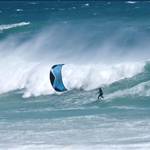
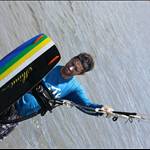
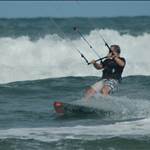
The thing to remember about kiteboard instruction is that it is actual work.
I think it is the world's best job, but that is just my opinion.
If you love the sport of kiteboarding, go out and kiteboard, and have fun.
If you want to make it into a job or career, you can consider different ways to engage in the kiteboarding industry; Become a pro-rider, go work for a kite shop, or manufacturer, become involved in running charity events or professional competitions etc. There are all kinds of different jobs in the industry. The kiteboarder education industry, includes Kiteboarding instructors, kite school owners, Instructor trainers, people creating educational materials, and things like that.
I have been a watersports instructor all my life so the choice to be an kiteboarding instructor was a no-brainer for me, basically it was the only profession I was qualified to do.
So, if you are considering becoming a kiteboarding instructor keep in mind these things:
Becoming a kiteboarding instructor is a great way to learn more about the sport.
It is a great way to meet people and share your love of the sport. It is a great outdoor job.
You get to stay at the beach all day and meet other kiteboarders.
You learn all about the new gear, and get to try lots of different brands of kites.
But, you will usually spend less time actually kiteboarding than you do now, because when it is windy you have to work. Then after working 6-8 hours in the sun you may not be so stoked to go for a session so there is a risk by making your stoke your Job that you may not be able to do it as much. This is a sacrifice that you have to be prepared to make, or you will be a terrible kiteboarding instructor. You will never show up for work when it is windy or when the waves are up. Also there are plenty of “real jobs” that pay better, but you are often stuck in an office or a boring job. Where kiteboarding instructors really get the benefits is in the lifestyle. If you want you can travel, and teach, anywhere in the world that kiteboarding instructors are needed. You don't have to be a university graduate to teach it, and if you are already a decent kiteboarder, the training is relatively quick and inexpensive. It is true that instructors may get paid a little less these days because schools are being price competitive, and there are more people teaching it.
But you can still pay your way, and have a great time doing it. Actually, for experienced instructors that are half-smart and can manage a school or a staff, there are better opportunities, like managing a kiteboarding center. These kind of jobs always seem to be coming up around the world. But this is not for everyone. Not too many people will make a lifelong career of teaching kiteboarding, I did and many others have, but the average instructor will drop out after teaching for a few seasons. This is a natural phenomenon, because as people grow and mature they need more money and stability, so that they can have a family and settle down in one place, and maybe one day buy a house etc. Getting the steady pay check becomes the priority. This is when many kiteboarding instructors will go back to their “real job”, you know the one they studied at university for, or they go back to community college and learn how to fix computers, which is really good money I hear. But there are the lucky few who are happy teaching seasonally or happy to travel following the wind and the sun, learning about other cultures, other languages, and kiteboarding in exotic destinations. They may not be super rich, but they will have a rich life. So to paraphrase that old Naish tee-shirt:
“Kiteboarding Instructor, absolutely positively the wrong job for 99.99 percent of the World’s population (But the other 0.01% seem pretty stoked about it).”




 ).
).