Chris6791 said...busterwa said...
There highly skilled and aware of the risks i think they quite competent Know how to read the weather and have reliable gear . They also have 4wd and saftey in numbers to run recovery if required.
Think the people who are on dirt bikes and dune buggies up in the dunes are at a far greater risk
This group were organised, to a point. The dude had his camelbak but I believe ran out of water on the way back, he didn't have a phone, EPIRB or flares with him, he didn't have his kite buddies phone numbers either. Somewhere around lefties he left the beach and started following tracks inland a little.
I do see a problem with alone, no water, carrying all his gear, on possibly unfamiliar tracks away from the beach, in the heat of the late afternoon, with no phone and no ability to raise help if he gets lost, injured or severely dehydrated.
Organsised to a point is very questionable,
Similar common scenario, Had this bloke broken down on a section of road with Telco no coverage.... and decided to walk 10km to the nearest farm house, he's be classed as an idiot for not taking a phone with in case he came across some telco signal, and again be classed as a bloody idiot for venturing off the road down a track. Any situation where a group splits up to leave one person to fend for them selves is lunacy, EVEN if they go in hero mode and insist to left behind.
How many offroad biker carry EPRIBS or flares?
Injuries happen all the time, just ask the royal flying doctors or any medical rescue helicopter.... one/several person stays with injured the OTHERS go to get help. this is not rocket science.
People do multiday cayon walks all the time, almsot always out of teclo signal & yes many take EPIRBS, but most don't. Basic equipment & water and a good group is by far the best 101 risk management strategy.
Flares.... people assume that you pull out a flare and a fleet of rescue vehicles come charging over the horizon to your aid....
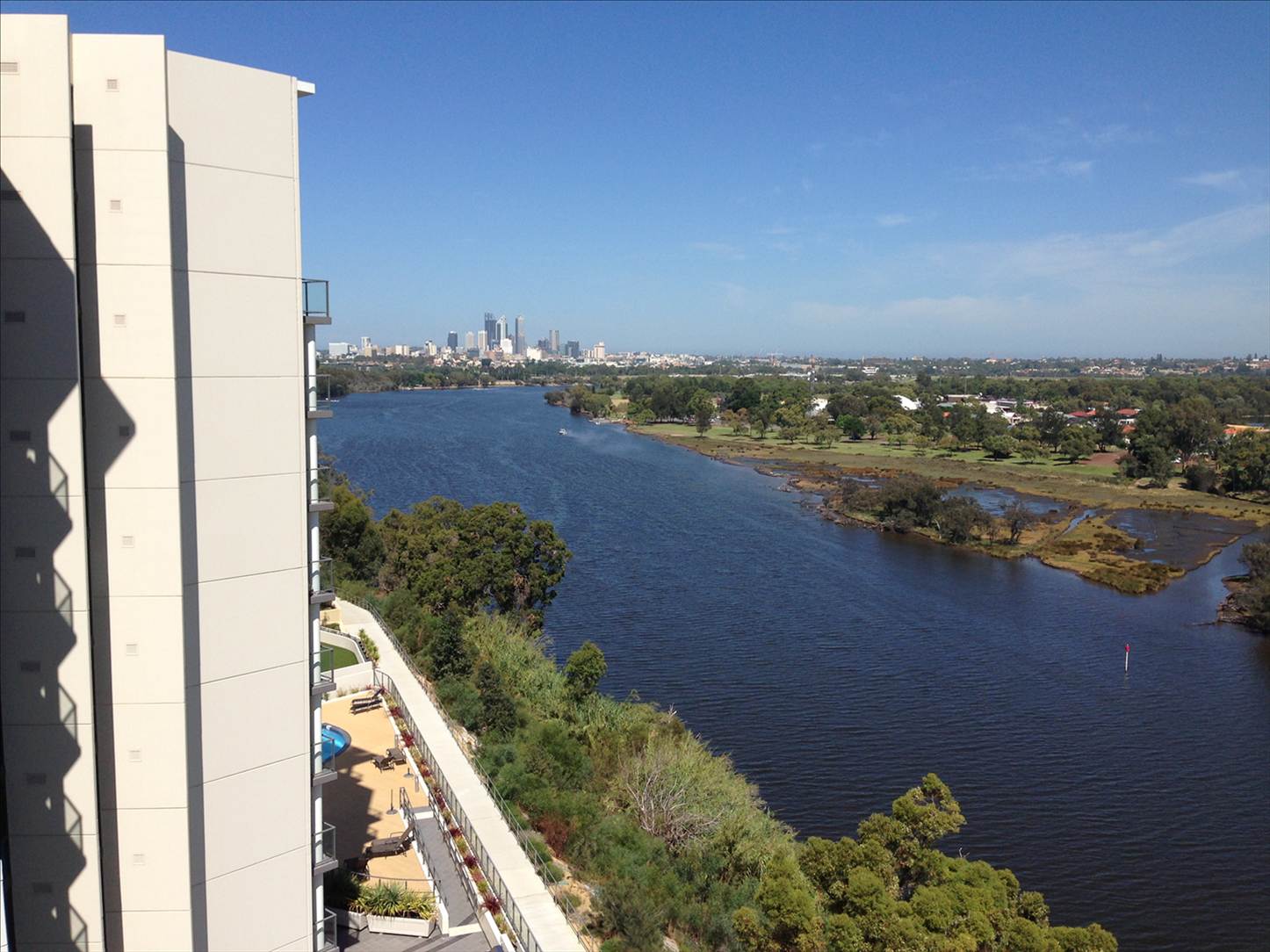
Here is pic of a boat pulling a flare in rivervale, I'm 400m away from an elevated position...
Its simple;
- go with a group you trust and that will be their to support you when things go wrong.
- Take a phone, at very least you get an awesome GPS track and some pics.
kitetracker.com/gps/tracking?r=andyhansen_8- Its 3hours, take a 3lt camel pack, and again if people have to stay behind, the kiters going for help would surely leave theirs for the, injured, injuried minders or group walking out.
Flares, PDFs, EPRIBS, satellite phones, first aid kits, complete toolboxes, maps, compasses, thongs, meal packs, ... yes, all risk avoidance measures, but the same level of risk that would suggest you wear a helmet and safety harness in a soapy shower. There is a level of practical and impractical risk management for every sceanrio, and by god im sure the keyboard jockies if challenged would be more than happy to explain with an example of what impractical risk management would be for even a task such as driving your car to the shop to buy milk.
I will say this, CPR should be a key consideration, very many bad situations could require CPR. drowing, A severe allergic reaction (anaphylaxis) to sea & land based cause.
fact is you could scratch your arm with your own nail and die within a week due to a flesh eating bacteria that lives on every single persons skin, very rare case, one in WA recently actually.
End end of the day, have fun, be safe and by using some common sense!

 )
)


 on that day i saw numerous vehicles doing the beach run from narrowneck all the way to wedge, so the beach run is accessible for that stretch, Lano to Diedy Bay may not be.