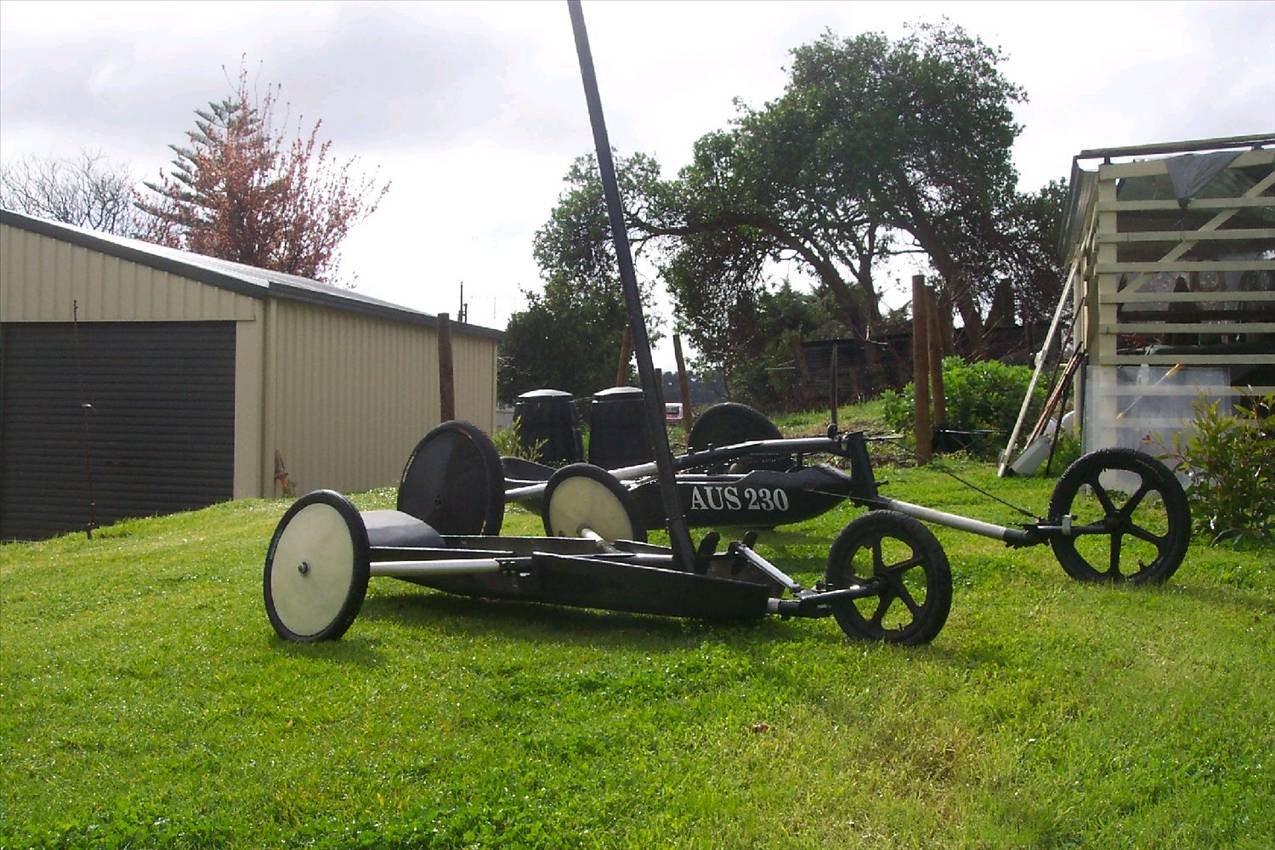
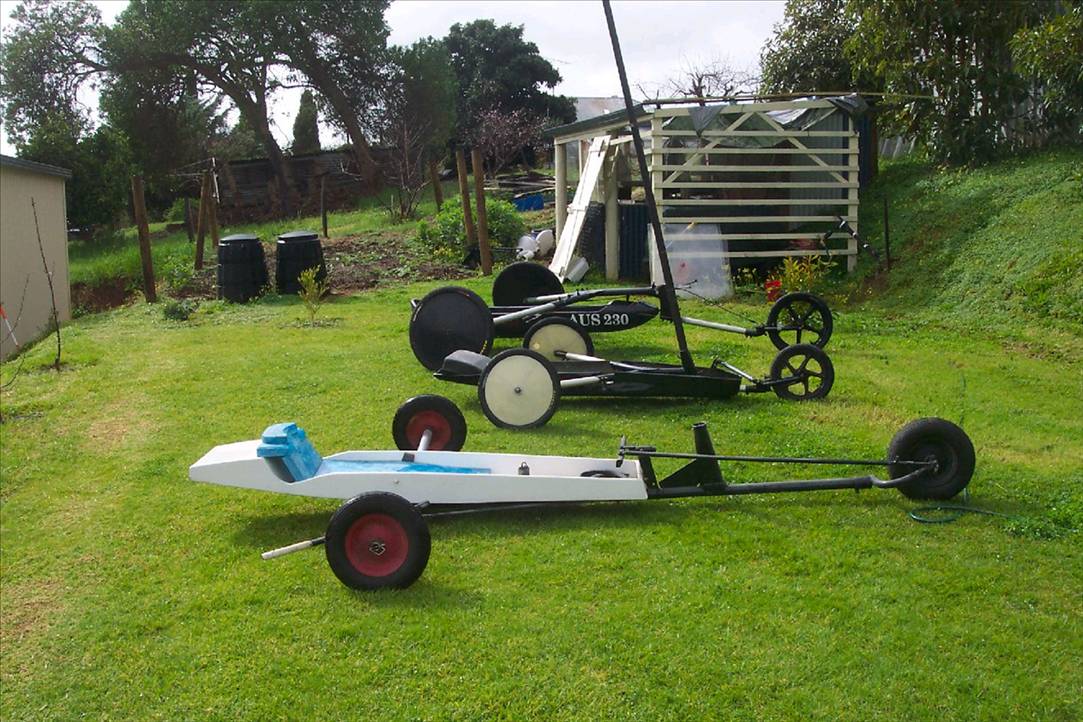
Clemco said...
Also the height. Height to width ratio, i.e height to CE/width of yacht. A class 3 with a 7m high rig is no more 4m wide. So a mini wing could only be 3m high. To get the takeoff down wind it could be wide, like those short windsurfer rigs, but with a 250wing in front.
I know nothing about wing masts but would like to know more.
Clem, be a bit careful with the widths of Class 3, there are many variations on this theme. Also many variations on the lengths of the wings. (eg the Sanderling mast was just on 5 metres, and Colin always reckoned in a tacking duel he had problems getting past, but he would smoke me on the reaches) I don't think you can make these assumptions of ratios, but you do make a very valid comment about the height of the c of e being a consideration.
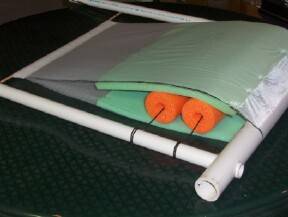
I think a 250mm wing would probably be too big as a wing/sail combination, probably around 175 would be plenty, and then the thickness becomes an engineering consideration.
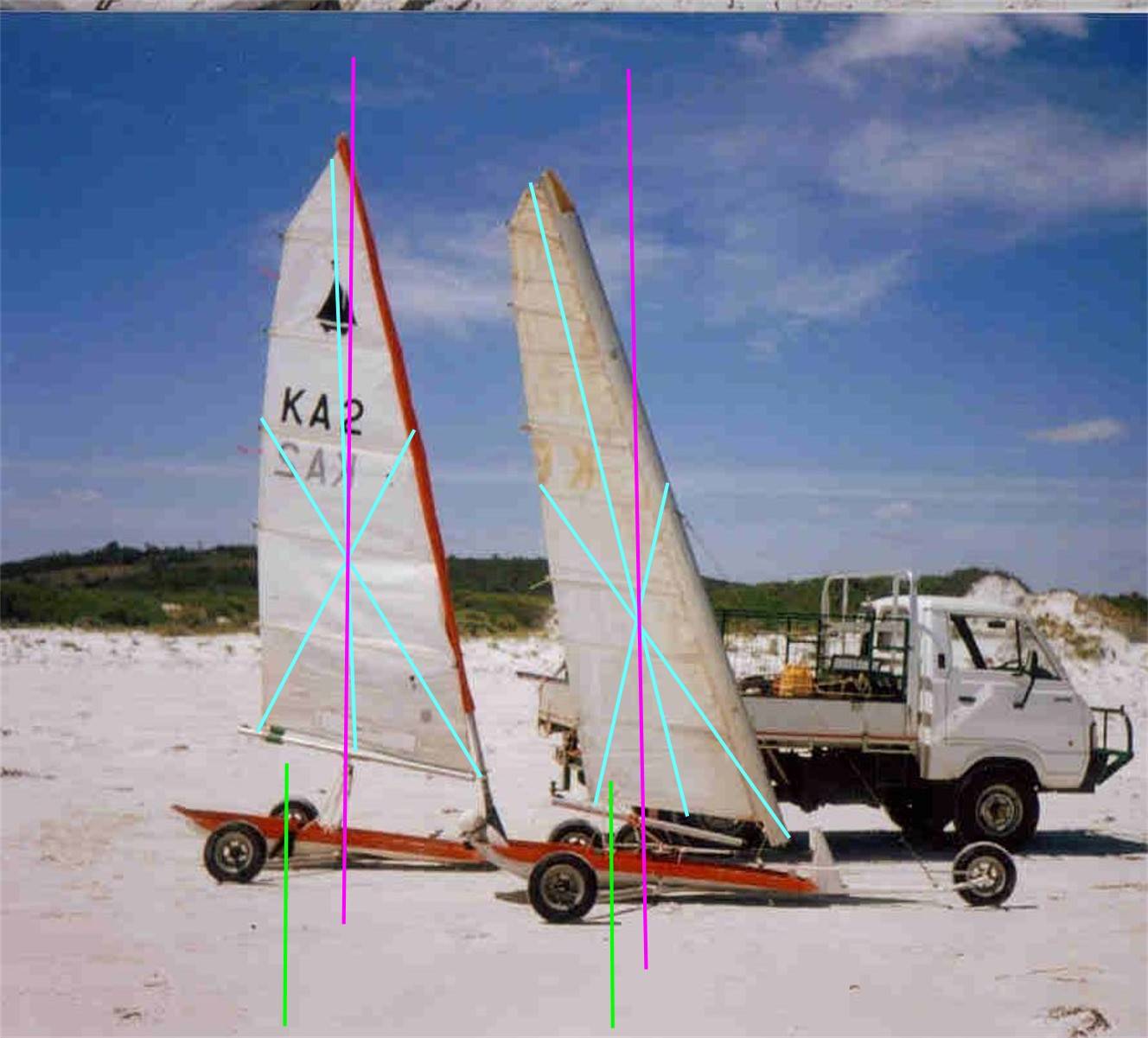
Now if you remember how you and I do the c of e compared to those which Gizmo has plotted on the sails, can you scan them down and use "our" method. I would be interested to compare.
My reasoning is that I do not think that the way Gizmo uses takes enough consideration of the roach at the head of the sail.
My belief of why wings work is multifold.
1 The shape of the complete entry to the rig, ie the leading edge is "nicer" than the round mast
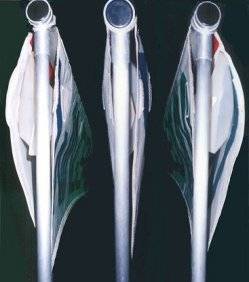
2 With the ability to rotate the mast you have a full sail for starting, tacking etc, and as the rotation pulls off the whole thing flattens.
For all this to work, it has to be considered as a unit, mast and sail. If the sail has shape of it's own, they are slow! We used to call this the "double bump",mast shape, then curve in the sail which did not flow nicely from the downwind side of the mast.



 , even bettr biuld a little one for the baby DN

 . AND it lifts wheels. do have a photo of the 2 together but wfey has archived it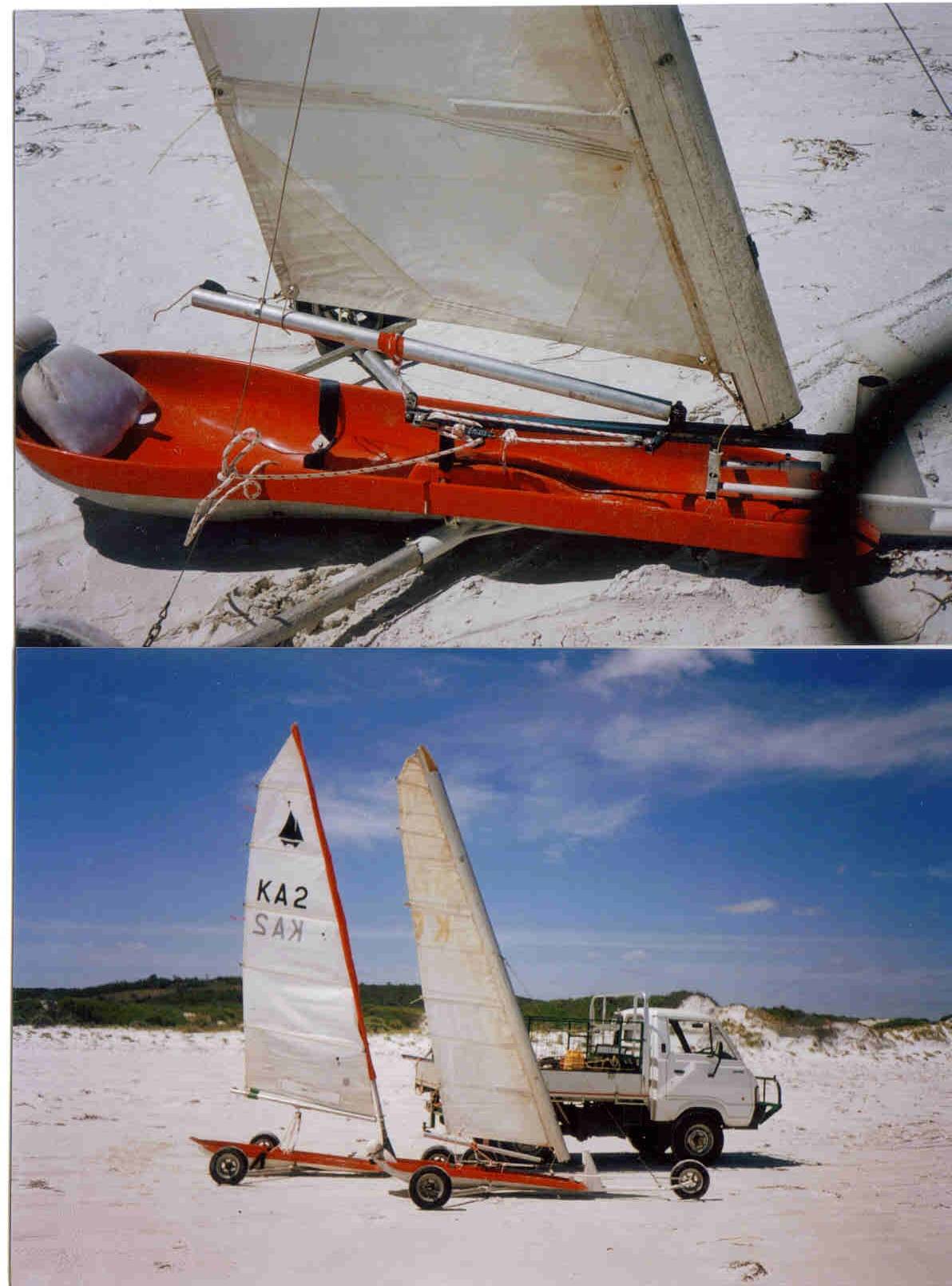
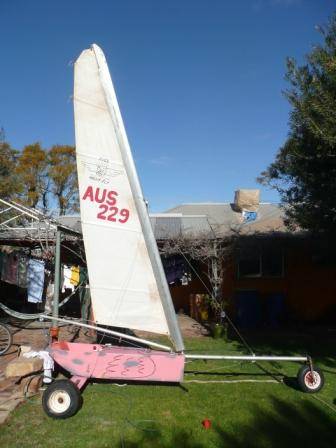
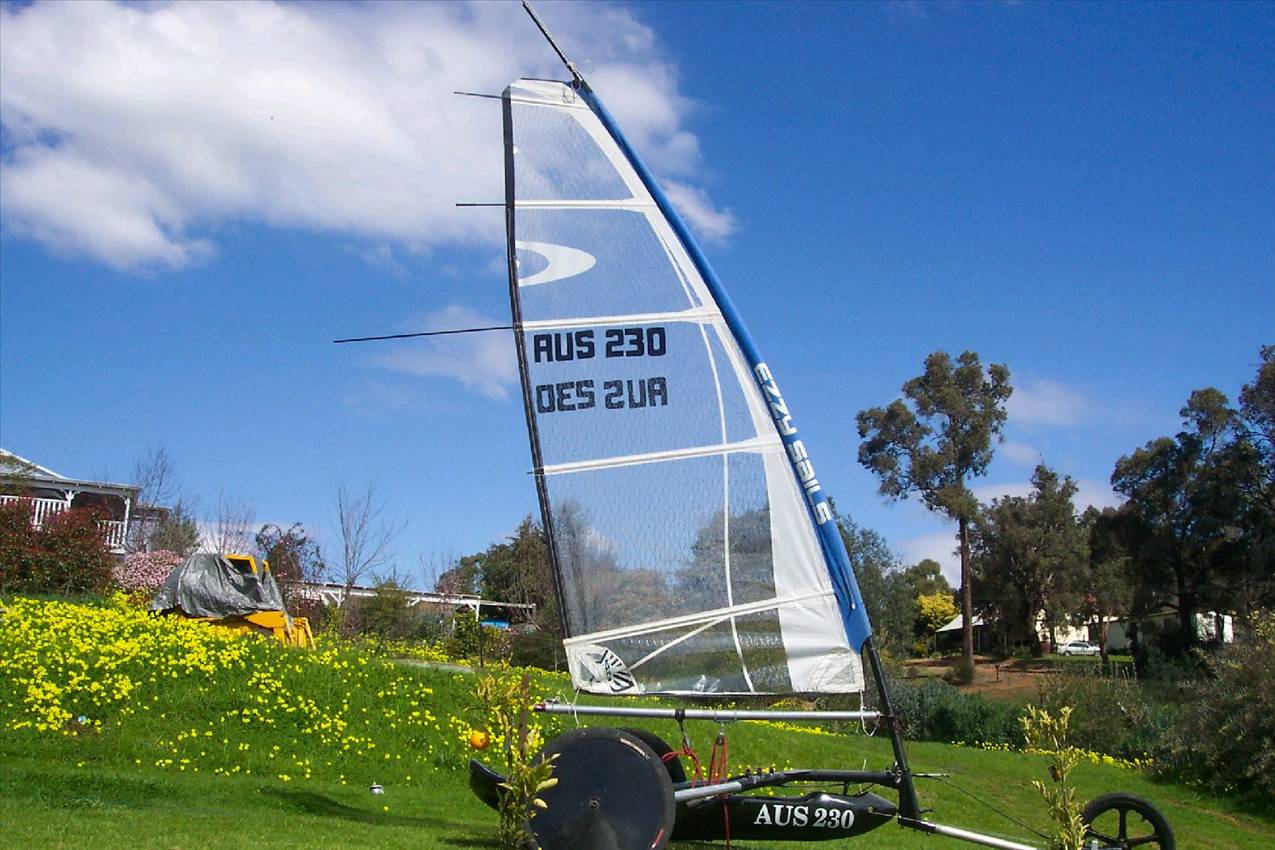
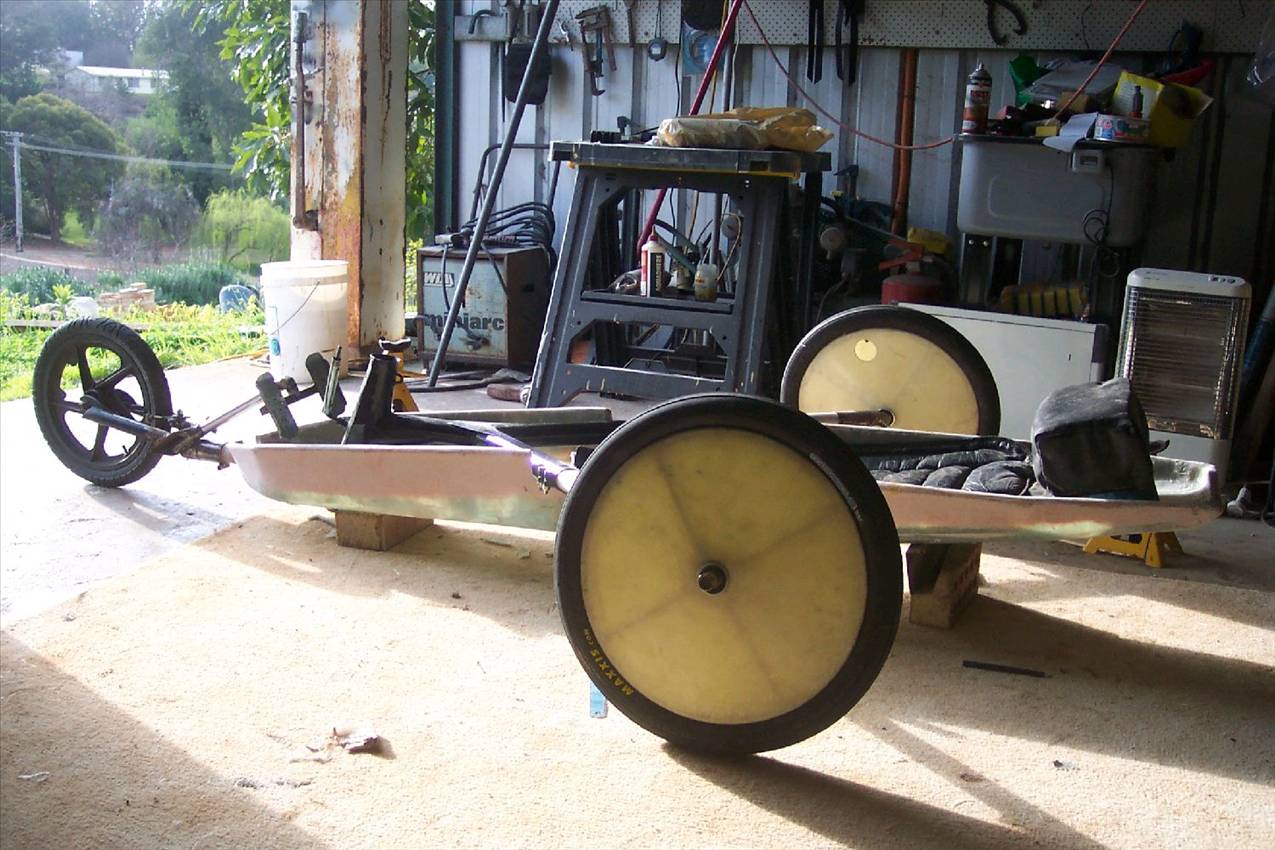
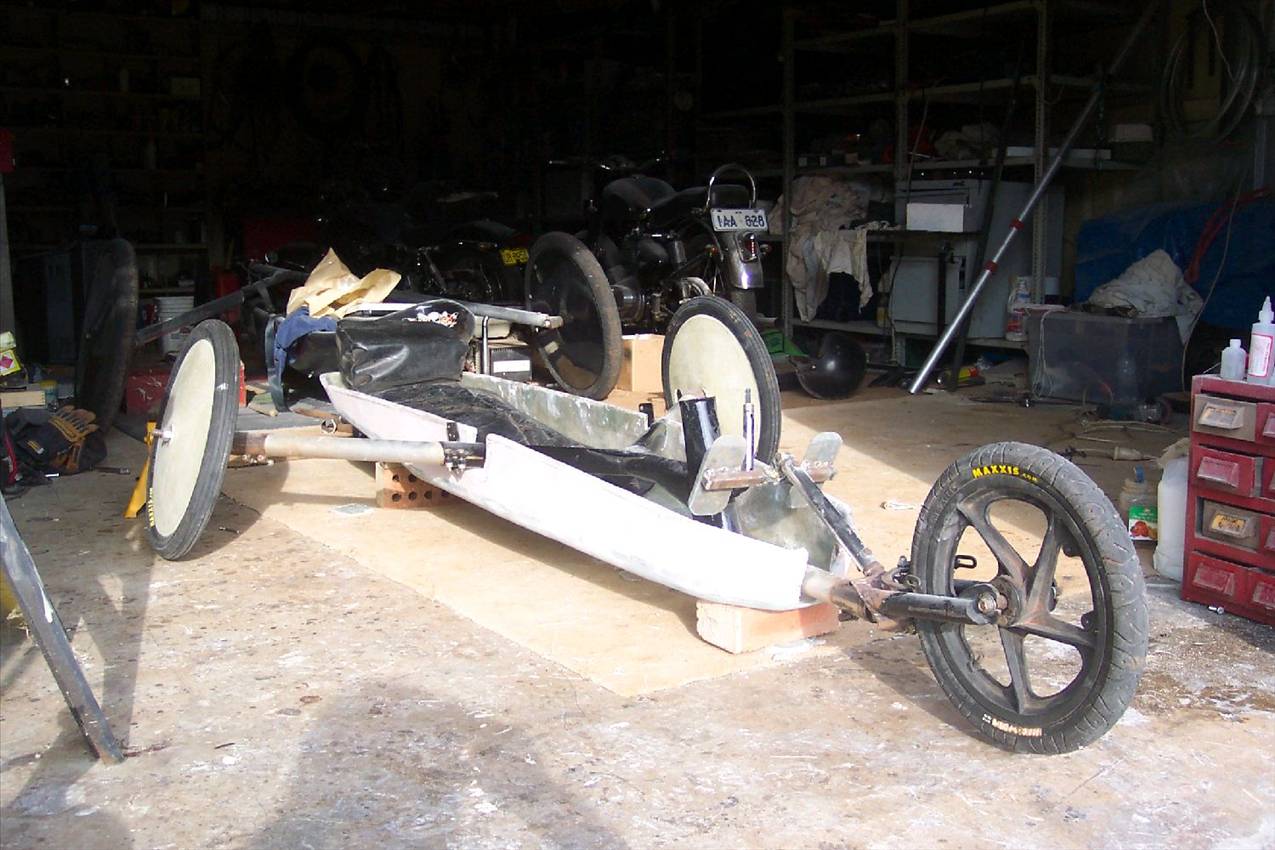




 There is a big size difference