The Reef: Get It In Before You Need It

Quick summary
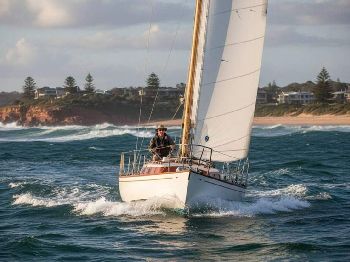
Reef one goes into a 9-12 metre cruising keelboat while you are still on a close reach, in control, and grinning rather than hanging on.
The sequence is ease, luff, drop to the mark, tack first, clew second, halyard back on, then sheet and trim.
The how-to
You will be able to put a slab reef in at 18-25 knots without a round-up, a flogging clew or anyone wrestling the mast.
Preparation: do the thinking at the dock
Mark your halyard. Put a whipping or a permanent marker band at the point where reef one sits, and a second band for reef two.
Without those marks you are guessing in the dark, and guessing costs you three or four attempts at the halyard winch while the main flogs.
Allocate jobs before you need them. One person on the helm, one at the mast or the pit, one on the clew line, and nobody swaps roles mid sequence.
The helm does not leave the helm, ever, for any reason, including a jammed line that looks like it needs two hands.
Check the lazy jacks run free. A fouled lazy jack is the single most common reason a reefed main will not settle onto the boom.
Everyone wears a lifejacket, and no hands go inside the lazy jacks or between the boom and the sail while there is load on anything.
Initiation: ease, luff, drop
Look for traffic first. You are about to change course and slow down, so scan to windward and leeward before you call the luff.
Ease the mainsheet a touch and bring the boat up to a close reach with the main just starting to breathe along the luff.
You are not head to wind and you are not stopped, you are sailing, with steerage and a jib still pulling you through the chop.
Drop the halyard to your mark in one controlled run, with a turn still on the winch so it does not escape.
The reef goes in the moment you first think about it, while the boat is on a close reach and under control. Wait until you are overpowered and you reef in the middle of a round-up, which is exactly when lines jam and fingers get hurt.
Commitment: tack first, then clew
Secure the luff before anything else. Hook the tack cringle onto the ram's horn, or take up the forward reef line, and lock it off.
Now pull the clew line until the new foot is hard down on the boom and the leech has stopped slatting.
That order matters more than any other detail in this sequence, because the tack sets the geometry and the clew only tensions it.
Pull the clew first and the sail drags aft off the boom, the foot bags, and the luff never sits where it should.
Execution: halyard back on, sheet, trim
Rehoist the halyard until the luff is tight and the wrinkles disappear from the reduced sail, then cleat or lock it properly.
Sheet the main back on and bear away onto your original heading, and you should feel the difference within a boat length.
Right feels like the boat standing up, the helm going light, and the speed holding or improving as the heel drops away.
Wrong feels like a flogging clew, a heavy wheel, and someone at the mast while the bow swings up through the breeze.
Recovery: check the leech, then decide
Walk the sail with your eyes, checking the reef line tension at the clew and that no reef point is loaded up on its own.
Tidy the loose bunt of sail so it is not catching water or hiding a snagged line.
Then wait for the next gust and ask one question: did the boat accept that, or is it still on its ear?
If the helm loads up again at the top of the range, reef two goes in now, on this tack, using the same five phases.
Five mistakes and how to fix them
Waiting too long. The cause is optimism about the next gust, and the correction is a crew rule that the first mention of reefing starts the sequence.
Dropping the halyard with no reef line taken up. The sail ends up in the lazy jacks and on the deck, so pre-tension the clew line before you ease.
Pulling the clew before the tack. You stretch the foot aft and lose luff shape, so the fix is a simple spoken call: tack, then clew.
Leaving the reef line slack. A bagged foot kills pointing and flogs the leech, so grind until the cringle is touching the boom, not near it.
Reefing downwind with the boom out. The sail presses on the spreaders and nothing slides, so come up to a close reach first and accept the extra heel for ninety seconds.
The practice that makes it boring
Australian Sailing keelboat coaching treats reefing as a seamanship sequence rather than a last-ditch save, something you rehearse in 15 knots so it works in 25.
Skippers who have taken amateur crews offshore, Wendy Tuck among them, build sail reductions into the plan instead of leaving them to the worst moment of the watch.
Pick a building sea breeze day with sea room and run reef one in, then shake it out, three times on the same beat.
Southern waters give you honest practice conditions, so check the Hobart wind forecast and pick an afternoon where the gradient is filling in rather than fading.
How early is too early to reef?
There is no such thing on a cruising boat, because the cost of an unnecessary reef is a little speed and the cost of a late one is gear and skin.
Should the headsail come down first?
Reduce the main first on most 9-12 metre cruisers, since the mainsail is driving the weather helm you are trying to get rid of.
Why does my foot keep bagging?
The clew line is almost always under-tensioned, or the tack was not locked off before you loaded the clew.
Can two people do this safely?
Yes, with one on the helm who stays there and all reef lines led aft, so nobody needs to go forward in the first place.
Share your reefing sequence, and the one that went wrong, with other keelboat crews in the Seabreeze forums .