Minke Season Opens: GBR July Window

In short
Dwarf minke whales are aggregating at Australia's northern Ribbon Reefs right now, forming the only predictable swim-with-minke-whale opportunity on the planet.
The window runs June through July, with peak encounters mid-June to late July - and 2026's warm, clear Coral Sea is delivering excellent conditions.
What to watch
Remaining July departures from Cairns are limited - liveaboard operators report late bookings, but a handful of berths remain on mid-July expeditions.
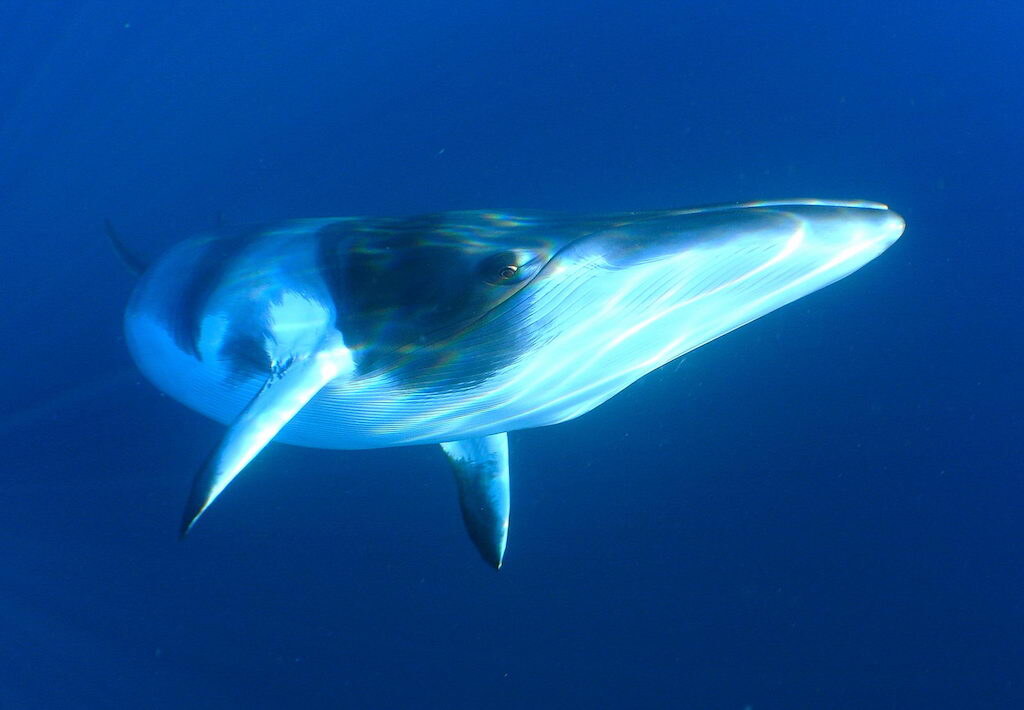
Every June, something quiet and extraordinary happens in the northern Coral Sea.
Dwarf minke whales arrive at the Ribbon Reefs off Queensland's far north, clustering along the outer edge of the Great Barrier Reef in numbers that don't occur reliably anywhere else on Earth.
They come close.
They approach boats, hover under hulls, and interact with people in the water - sometimes for hours at a stretch.
This is Australia's only permitted in-water whale encounter, and June and July are when it happens.
The only aggregation of its kind
The Minke Whale Project at James Cook University has tracked these animals since 1996, and the northern GBR remains the only known predictable aggregation of dwarf minke whales in the world.
Growing to around eight metres and several tonnes, dwarf minke whales behave more like large dolphins than their baleen whale relatives.
They surface frequently, vocalise under water, and appear genuinely curious about stationary objects - which is where snorkellers come in.
The protocol is deliberately passive.
Operators endorsed by the Great Barrier Reef Marine Park Authority lower a rope line behind the vessel at the surface.
Snorkellers hold the rope, stay horizontal, and do not move toward the whales.
The whales choose whether to approach.
"Dwarf minke whales visit the northern Great Barrier Reef each austral winter, forming the only known predictable aggregation of these whales in the world."
That sentence, from the JCU Minke Whale Project, captures why this window matters: no other place offers this encounter reliably.
2026: A warm season for the Coral Sea
El Nino conditions have pushed Coral Sea surface temperatures 2-3 degrees Celsius above average for winter 2026.
Combined with the dry season's reduced runoff, visibility at the Ribbon Reefs is running exceptional - operators are reporting 30 metres-plus in places.
The Bureau of Meteorology's July-September outlook adds further context: below-average rainfall across north Queensland (60 to 70 per cent probability), above-average temperatures, and a likely positive Indian Ocean Dipole reinforcing drier conditions through spring.
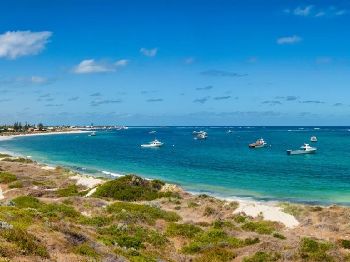
For snorkellers and divers heading to the GBR, that means calm Coral Sea, low swell, and the clearest water in years.
What the season looks like on the water
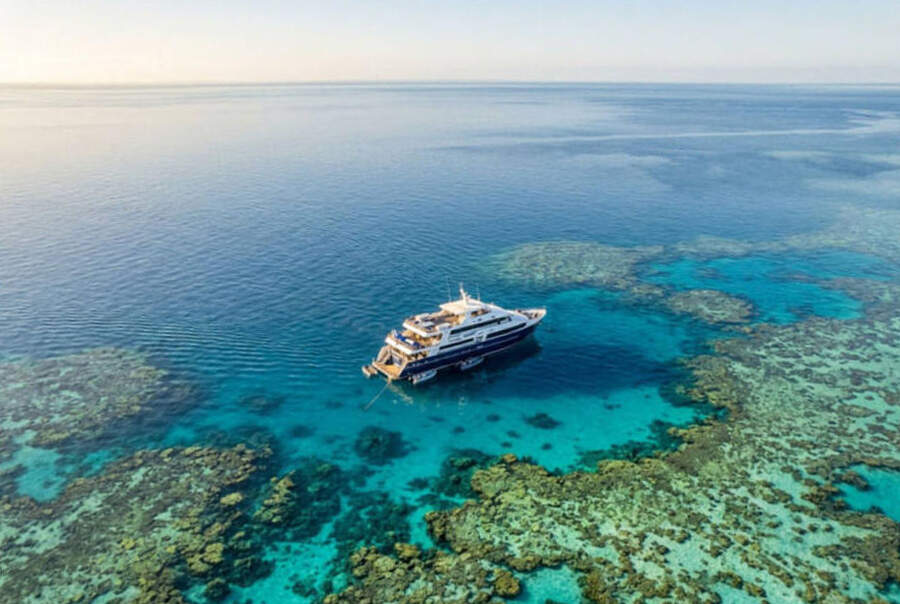
Dwarf minke whale encounters happen exclusively on liveaboard trips - the Ribbon Reefs sit 60 to 100 kilometres offshore, and day boats don't reach them.
Mike Ball Dive Expeditions, now in its 31st consecutive year supporting the JCU research program, reports a 98 per cent encounter success rate across its minke season departures.
Three-night and four-night expedition formats operate from Cairns on Thursdays throughout June and July, with seven-night trips reaching Lizard Island and the deep northern section of the Ribbon Reefs.
Spirit of Freedom runs similar itineraries with researchers aboard during peak weeks.
Most encounters start at the surface.
You don't need to dive.
Snorkellers hold the surface line while the whales circle below, rise alongside, and sometimes drift within a metre of the rope.
Divers who descend often find the whales less interested - the animals seem most engaged with the unusual surface silhouettes of snorkellers at depth.
 Planning the trip
Peak dates run from roughly June 15 to July 20, based on historical sighting records from the JCU Minke Whale Project.
Sightings have been recorded as early as late May and as late as mid-August, but the core window is tight.
Departure dates for remaining July trips from Cairns: July 9, 13, 16, and 20 - four-night and three-night formats depending on the vessel.
Gear requirements are straightforward: a snorkel, mask, and wetsuit rated for 23-24 degrees Celsius water.
A 3mm suit is standard; some operators provide them, others don't - check before booking.
You don't need diving certification, but freediving experience helps if you want to descend alongside the animals.
What to expect on the reef
Visibility at the Ribbon Reefs during peak minke season typically runs 20-30 metres, and in dry years that number climbs.
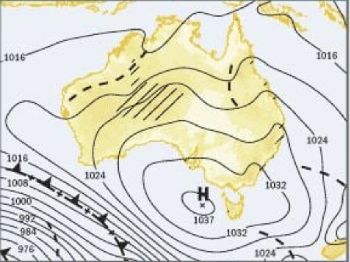
The 2026 dry season has lived up to its El Nino pattern: minimal cloud cover, reduced river discharge into coastal waters, and a settled high-pressure ridge over the Coral Sea for much of June.
Reef fish biomass is high near the outer-reef sections where minkes aggregate - schooling trevally, reef sharks, and mantas are common sightings on the same dives.
One thing to manage: these expeditions are popular, and the window is short.
Peak June departures sold out by April for most operators.
Remaining berths as of late June sit on mid-to-late July trips.
If a minke season berth slips past you this year, the early-bird window for 2027 opens in October - operators typically release dates and pricing by late October each year.
Planning your whale journey
For people who plan their water access carefully - the minke season is worth treating as a multi-day offshore expedition, not a tourism package.
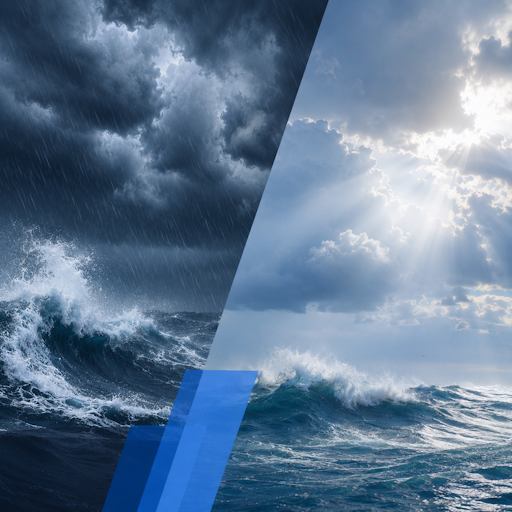
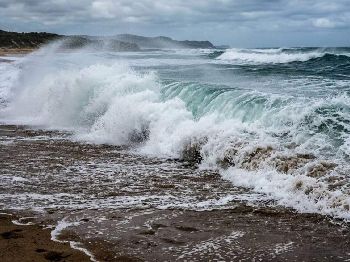
The Ribbon Reefs sit in Coral Sea conditions that are forecast to hold stable through July: a blocking high over the Tasman means light south-easterlies, 0.5-1.5 metre swell, and minimal weather interference.
That's a reliable platform for an offshore liveaboard, and good confirmation for anyone sitting on a late booking decision.
Frequently asked questions
Do I need to be a certified diver?
No. The majority of minke encounters happen at the surface on snorkel.
How close do the whales come?
Closer than you'd expect - some encounters record animals within one to two metres of the rope line.
The encounter protocol prevents you from approaching the whales, but it can't stop them approaching you.
What happens if no whales show up?
Mike Ball's 98 per cent encounter rate is based on three decades of data, but the remaining two per cent exists.
Most operators treat the Ribbon Reef diving as the primary product, with minke encounters as a bonus - the reef is worth the trip regardless.
Is there a minimum snorkelling ability required?
Operators assess comfort in the water before deploying lines.
You should be comfortable floating face-down for extended periods - 30 minutes or more - without exhaustion.
When do berths open for next year?
Typically October, when operators release their June-July 2027 calendars.
Early-bird bookings for the first two weeks of June sell fastest.
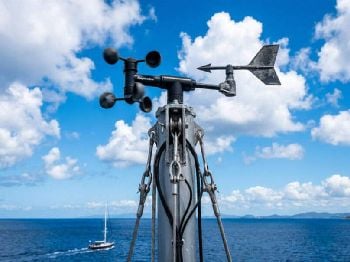
Track swell and conditions for the Coral Sea ahead of your departure at Seabreeze Cairns marine forecast .