Cold Water Bream: Slow Down, Go Deeper

Quick summary
Cold water slows bream metabolism - they drop into channels and deep structure and inspect lures for much longer before committing.
In winter, the retrieve that worked in summer will pull the lure straight past a fish that was interested but not fast enough to react.
The how-to
After reading this, you'll know how to adjust your lure weight, rig, retrieve cadence, and location to keep bream in the net through the coldest months.
The bream you were catching over shallow flats in autumn have moved.
Once water temperatures drop below about 16°C in southern Australian estuaries, yellowfin bream pull back from the upper reaches of rivers and shallow flats and shift into deeper channels, rock walls, and submerged structure.
They don't disappear - they just get harder to read, and the techniques that produce in warmer months stop working almost immediately when the cold sets in.
Understanding the cold-water shift
Cold water drops bream metabolism, which means they don't need to feed as frequently and won't chase a lure across open water the way they do in 22°C summer conditions.
In winter, a bream might follow your soft plastic for 2-3 metres before deciding whether to eat it - give that fish a pause and it picks it up; keep winding and it turns away.
The Victorian Fisheries Authority notes that bream in southern estuaries move to deeper, more stable thermal environments in winter, seeking channels and rock structure where water temperature fluctuates less through the tidal cycle.
In NSW estuaries, the same pattern applies - fish that were spread across weed flats and shallow sand in April will be stacked in the 2-4 m deep channel bends and under rock walls by late June.
Finding winter bream
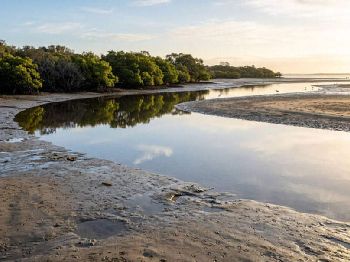
Channel bends and current seams are the first places to check - bream sit on the downstream side of a bend where a slack pocket forms, holding position without burning energy while food washes to them.
Rock walls and pontoons hold heat longer than open sand, which means fish sitting against them are in marginally warmer water - even a fraction of a degree makes a difference when metabolism is suppressed.
Mangrove edges at the base of the trees are worth working at high tide, but the fish drop back to the channel faster in winter than they do in summer, so the productive window on the flat is shorter.
Deep rock bar crossings where tidal current concentrates bait are consistently productive winter locations - target the up-current face of the structure on the run-in, and the down-current slack on the run-out.
Submerged jetty pylons, oyster lease corners, and mooring chains in 2-5 m of water all hold winter bream - any fixed vertical structure in a tidal channel is worth investigating.
Gear and rig adjustments
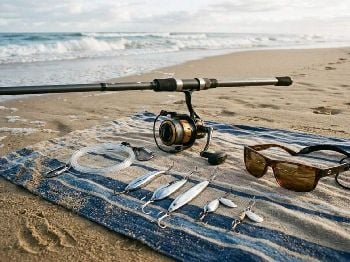
Drop rod weight to a 1-3 kg light spin outfit with a 2000-2500 series reel - lighter drag settings and finer lines let you feel the slow, deliberate pickup that replaces the hard strike of warmer months.
Braid of 4-6 lb with a 6-8 lb fluorocarbon leader of 40-50 cm is the winter standard across most eastern Australian estuaries - the fluorocarbon minimises visibility in clear winter water and has less stretch than mono for detecting light bites.
Jig head weight drops in winter. Where you might have used a 1/8 oz head in summer to keep a plastic moving, a 1/16 oz or even 1/32 oz head in shallow water lets the lure sink slowly enough for a cold fish to commit.
Deeper structure (3-5 m) warrants a 1/8 oz head to get down quickly without the lure drifting away on current - but once it's at depth, the retrieve should still be slow.
Shannon Sherritt, competitive bream angler and NSW ABT tournament regular, puts it plainly: with cold fish, the lure needs to sit where they can see it for long enough that picking it up is easier than moving away.
Soft plastic selection for cold water
Natural and translucent colours outperform bright attractor shades in the clear, low-flow water that dominates winter estuaries under El Nino dry conditions.
Prawns, small crabs, and worm profiles are the winter standbys - plastics that sink slowly in a lifelike posture and don't require active retrieval to look alive.
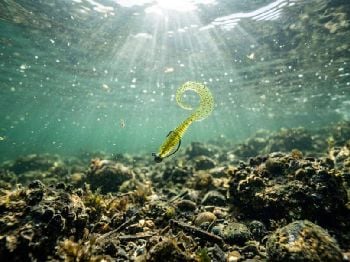
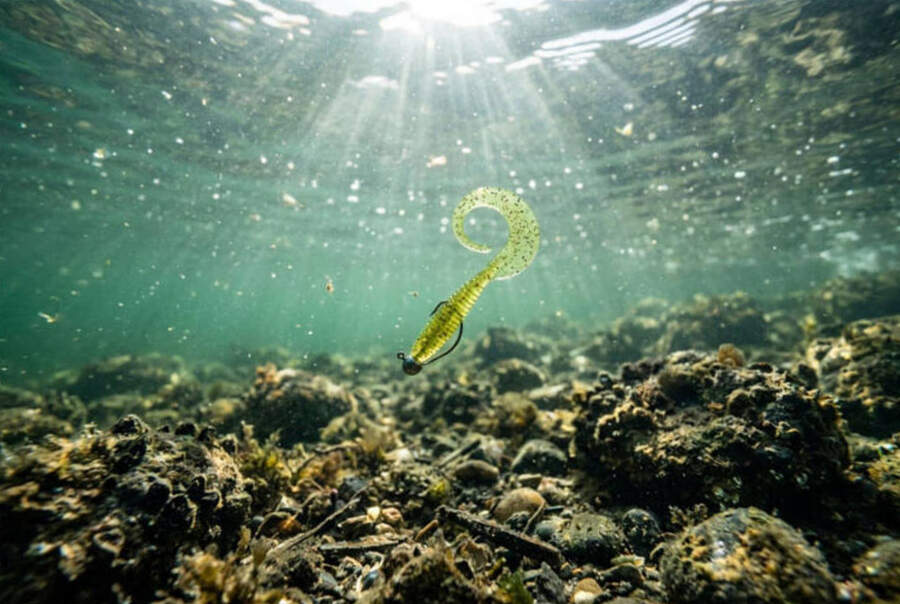
Curl tail grubs in 2-3 inch sizes remain one of the most consistent winter bream plastics - the curl provides movement through the sink phase without requiring rod movement from the angler.
Cranka Crab-style lures have built a strong following for winter bream fishing across southern NSW and Victorian estuaries, worked on a slow wind just above the bottom so the lure rolls over rock and shell grit.
Micro vibes in the 30-45 mm range are effective worked on a slow lift-pause-drop, particularly around vertical structure - the tight vibration on the sink triggers reluctant fish when they won't chase.
The winter retrieve
The single biggest adjustment most anglers need to make is adding a genuine pause - not a brief hesitation but a full 5-10 second sit with the rod stationary and the line on a slight bow.
Cold bream approach a lure slowly, and a pickup often comes during the pause rather than the movement - any tension in the line during the sit will be the bite, and you'll feel it as a slow weight or a gentle pull.
Short hops of 5-10 cm rod tip movement rather than long sweeping lifts keep the plastic close to the bottom and within the strike zone of fish holding structure tight.
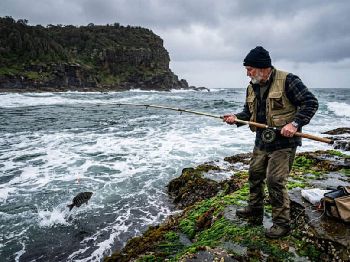
On rock walls, cast parallel to the structure at less than 2 m distance and count the lure down on a tight line - you'll feel it tick off ledges and shells, which is exactly where the fish are sitting.
Resist covering water in winter - a slow, methodical approach to one piece of structure beats racing from spot to spot, and the fish that watched your first cast will often commit on the third or fourth presentation.
Noise and approach
Clear, cold estuary water in winter means bream spook easily from boat noise, footfall on bank or rocks, and anchor chain scraping on the hull.
An electric motor at low speed is the standard approach for boat anglers targeting winter bream - drift where current allows, and use short bursts to hold position rather than running continuously within casting range of fish.
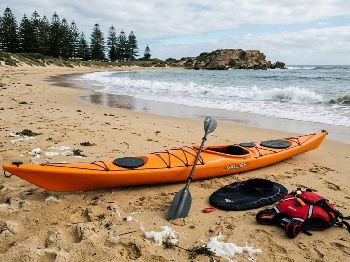
Bank and kayak anglers have a natural advantage in winter bream fishing - approach slowly, stay low, and avoid casting shadows across shallow water or over structure where you're about to present a lure.
Regulations to know
In NSW, yellowfin bream have a minimum size of 25 cm and a bag limit of 10 (combined all bream species), according to NSW Department of Primary Industries and Regional Development.
In Victoria, the minimum size is 28 cm with a combined bag limit of 10, and the Gippsland Lakes applies a maximum size of 38 cm for black bream with a sub-limit of 7 per day, according to the Victorian Fisheries Authority.
Always check the current rules for your state before heading out - regulations can change, and bream are a managed species across all east coast jurisdictions.
Common mistakes and how to fix them
Retrieve too fast: if you're not getting touches in known locations, slow down first before changing lures - cold fish need the presentation to hold in front of them longer.
Wrong depth: winter bream rarely sit in water less than 1.5 m - if you're working the shallow fringe and getting nothing, move to the channel adjacent to that flat.
Leader too heavy: a 10 lb leader that worked for summer kingfish and flathead will cost you bites in gin-clear winter estuary water - drop to 6-8 lb fluorocarbon and you'll immediately feel the difference in touch rate.
Jig head too light in current: if the lure is drifting sideways rather than sinking straight, add weight so it tracks vertical - a bream sitting on the bottom won't chase a lure that's washing past its head at eye level.
Three questions for your next session
Where's the warmest water in the system? In tidal estuaries, look for dark-coloured substrate (rock, shell, dark mud) in sheltered bays - these absorb and hold heat longer than open sand and will concentrate bream on cold mornings.
What's the tidal phase? The run-in tide typically produces better in winter than run-out, as warmer oceanic water moves up the estuary and activates fish that have been sitting static on the bottom through the slack - check Seabreeze tides before you launch.
Have you fished slow enough? On your next cast, add three more seconds to your longest pause and see what happens - in winter bream fishing, patience is a technique, not a mindset.