Winter Tailor: Beach and Rock Tactics

Quick summary
Winter is the primary season for tailor on Australian east coast beaches, with fish pushing north from June along NSW gutters and stacking at headlands and rock walls.
Ganged pilchard rigs on a surf rod get the most fish. Metal slices and stickbaits catch the bigger models when schools are feeding hard on the surface.
The how-to
After reading this, you can identify feeding structure, rig up correctly, and time your session to hit the best tailor windows consistently.
Tailor are already in the gutters.
From June, mature schools track north along the NSW coast, working their way through surf gutters, around headland points, and along the foam lines below exposed rock ledges.
They are not subtle about it.
A tailor blitz on a beach gutter in winter produces the kind of surface commotion that draws a crowd at the car park - baitfish showering from the water, terns wheeling overhead, and the slick smell of cut pilchard from the churned-up foam.
The challenge is not finding them on a blitz day; it is understanding the structure and conditions that produce tailor sessions even when there is no surface activity to advertise their presence.
Reading the beach for winter tailor
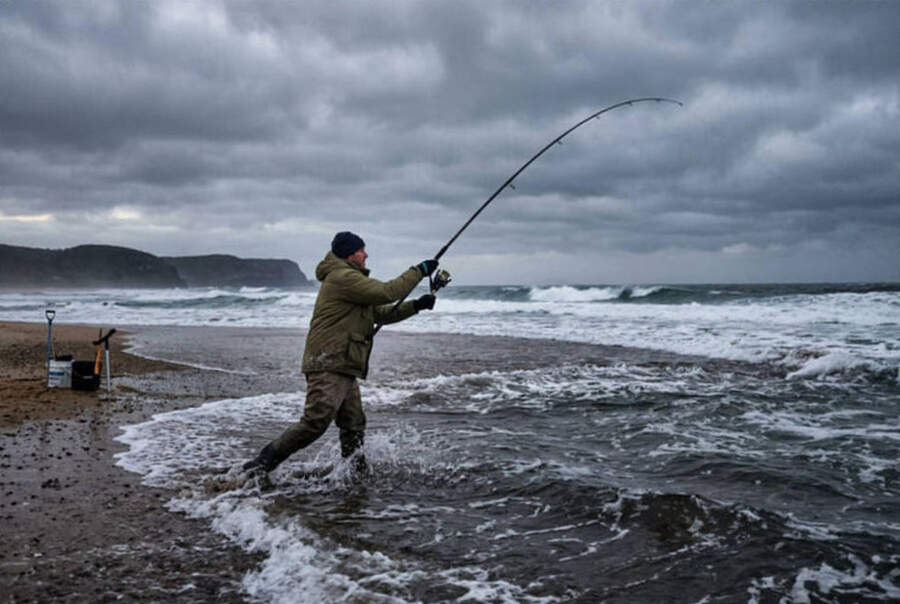
The key structure is a deep, protected gutter running parallel to the beach between the sandbar and the shore, ideally with a drain point at one end where water from the broken wave face pushes back into the deeper channel.
Tailor sit facing into the current at the drain point, intercepting baitfish pushed along the face of the bar by the inshore run.
Gutters that hold tailor well in winter typically have coffee rock or compressed sand bottom at the seaward edge, giving the fish a reference wall to pin bait against, according to fishing guide Sean Thompson of Bush 'n Beach Fishing Magazine.
Walk the beach for 15 minutes before setting up.
You are looking for colour change in the water, a persistent section of white foam that does not move, or a horizon-level indentation in the wave pattern that reveals deeper water beneath - all signs of a gutter running parallel to the shore.
At low tide, you can read the exposed bar and dry-run your gutter selection; at high tide, the gutter floods and the fish come in tight to shore, often fishing 20 to 30 metres from where you are standing.
Wind and tide windows
An offshore westerly is the single most reliable trigger for beach tailor sessions on the NSW and SE Queensland coast in winter.
Westerly winds flatten the swell face, increase water clarity inside the gutter, and physically push baitfish schools off the beach and into the adjacent surfline where tailor intercept them.
A true westerly session - glassy surface, light chop, and bait visible as dark shadows moving through the shallow bar - is the most productive condition you will encounter all year from the sand.
The optimal tide is the two hours either side of high water on a morning or evening tide.
Tailor are light-sensitive feeders, and dawn and dusk low-light windows account for a disproportionate share of beach captures, particularly in the peak mid-June to September window.
A dawn session combining an offshore westerly with a high tide running through first light is, practically speaking, the highest-probability tailor scenario you can plan for on the east coast.
"August and September are peak months for tailor along Queensland's beaches, though bigger models tend to arrive in fewer numbers in October." - Bush 'n Beach Fishing Magazine, 2024
Surf rod and reel setup
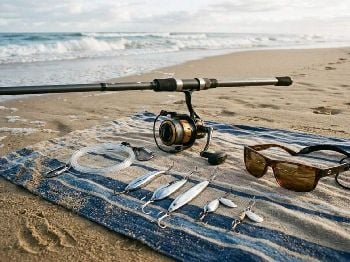
For beach tailor, a 12 to 14-foot graphite surf rod rated to around 6 kilograms paired with a 6000 to 8000 size spinning reel is the functional standard.
Load the reel with 20 to 30-pound braid main line for casting distance and sensitivity, with a 40 to 50-pound monofilament or fluorocarbon shock leader of 1.5 to 2 metres to handle the abrasion of the surf face and protect against tailor's shearing teeth.
The most important piece of terminal tackle is the ganged hook trace.
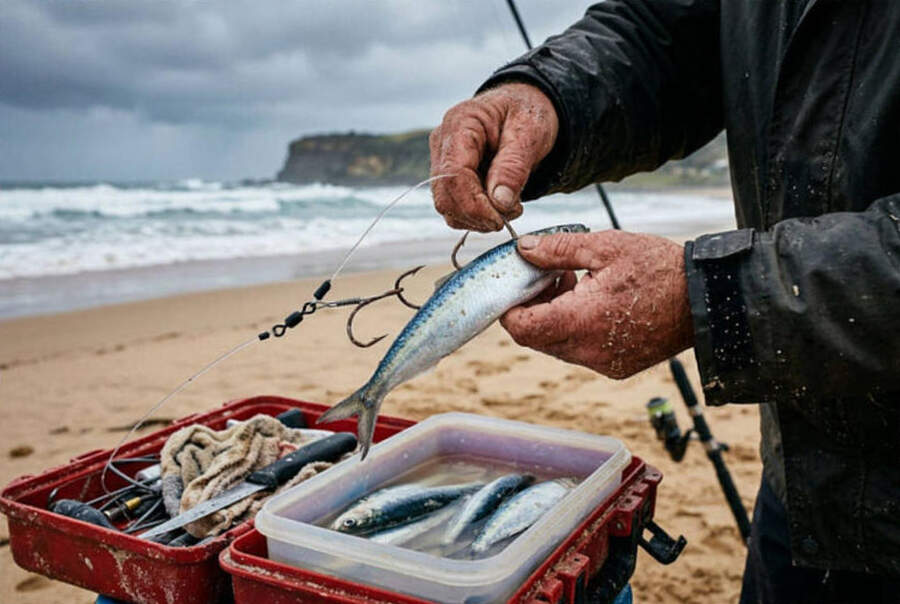
A three-gang rig of 4/0 to 6/0 hooks in a long shank pattern threads a whole pilchard head-to-tail without the bait folding or spinning, which is critical in a current-driven gutter where bait rotation will dramatically reduce strikes from wary fish.
Tie gange directly to a small barrel swivel connected to your shock leader, no further hardware.
Tailor will hit the swivel hardware on a retrieve if there is too much gear between the hook and the leader, and you will miss fish.
Bait: pillies, gar and the right strip
Whole blue pilchards on ganged hooks are the standard tailor bait on Australian beaches, and for good reason: they match the profile of the whitebait and hardyhead species that tailor key on in winter gutters.
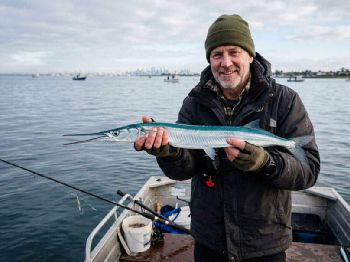
Whole or half gar (garfish) threaded straight on ganged hooks produces bigger fish on average because gar schools are a preferred winter prey item where they are present, and the longer bait profile selects for larger tailor.
On rock ledges and walls, cut white flesh strips from mullet or pilchard cast into the wash will produce when conditions are rough and whole bait presentation is impractical in the surge.
Change bait at every cast in heavy-current gutters.
Tailor hit bait from the rear and shear the tail section first; a pilchard with a missing tail is essentially a bare hook floating on a weight, and it accounts for zero fish.
Lures: when and why
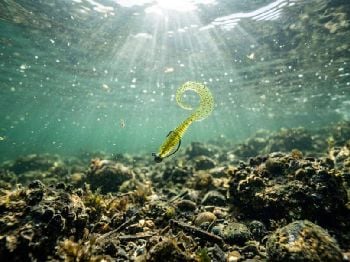
Metal slices of 20 to 45 grams cast long and retrieved fast are the specialist choice when tailor are actively blitzing and bait is irrelevant to the urgency of the feeding fish.
The retrieve needs to be fast, close to the surface, with the rod tip high to keep the lure skipping just below the wave face on the recovery stroke.
Surface stickbaits in the 90 to 120mm range produce the most satisfying sessions when tailor are busting up along the foam line below a rocky headland at first light.
The non-obvious point about lures versus bait: lures are not necessarily more productive than gangs in a running gutter, but they specifically select for fish over 40cm.
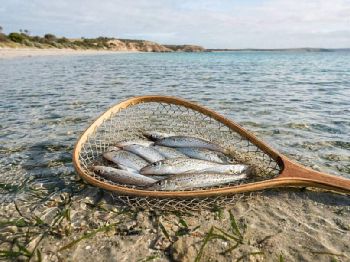
Smaller school tailor of 25 to 35cm will hit pilchards freely but often lack the speed and aggression to consistently chase a fast-retrieved metal.
If your goal is a feed of eating-sized fish (35cm or more), lures in a feeding school filter the smaller fish out of your catch without any conscious effort.
Rock and wall fishing for tailor
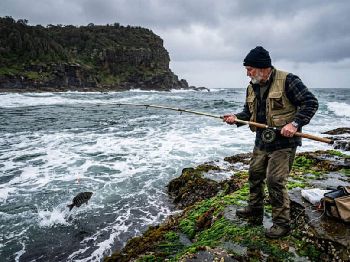
Break walls, headland platforms, and rock ledges extend your season beyond the beach by giving you access to deeper water and permanent structure that holds tailor through even flat, low-swell conditions.
Tailor school tight under rock platforms in winter because the broken water below the wash zone consistently produces displaced baitfish that tailor push up against the rock face to feed.
Use shorter, heavier gear from the rocks: a 9 to 12-foot rod rated to 8 kilograms, the same braid and leader combination, and gang hooks sized up to 5/0 to 7/0 to handle the larger average size of ledge fish.
The biggest tailor - models over 60cm - are almost exclusively rock and offshore captures rather than surf beach fish, and winter is when they are closest to shore.
Always check sea state before committing to a ledge.
South or south-west swells of 1.5 metres or more wash all low-lying south-facing ledges on the NSW coast, even in apparently calm post-frontal conditions.
Handling and regulations
In NSW, the minimum legal size for tailor is 30cm, measured from the tip of the jaw to the fork of the tail, with a bag limit of 20 fish per person per day, according to NSW Department of Primary Industries recreational fishing rules.
In Queensland, the bag limit is also 20 tailor per person per day, with extended-trip allowances applicable for multi-day remote beach trips to areas such as Fraser Island.
Tailor have sharp, shearing teeth that will cut through a loosely-held leader or a gripping hand without warning.
Grip fish firmly behind the pectoral fins with the tail secured under your arm, and use long-nose pliers or a dehooker to remove hooks without putting fingers near the mouth.
For eating quality, bleed tailor immediately by cutting the throat and placing fish in an iced slurry.
Tailor flesh degrades quickly in warm conditions and a fish allowed to die in the sun will be soft and oily by the time it reaches the cleaning table.
Planning around the forecast
The post-frontal window is the most productive period for beach tailor in winter: the 24 to 48 hours after a cold front has cleared and the wind has moved to a light south or south-east before the next north-westerly cycle begins.
This is when the water is clearest, the swell is 0.8 to 1.2 metres (enough to push bait into the gutter but not enough to make presentation impossible), and the fish are actively patrolling shallower structure.
Track the wind forecast for your beach and mark the post-frontal days before the next system arrives.
Those are your tailor sessions for the month.
Check the Seabreeze wind forecast for your nearest coastal location, and pair it with the tide calendar to line up your dawn high tide windows across the coming week.
Frequently asked questions
Do I need berley for beach tailor? Berley helps hold fish once a school is in the gutter, but it rarely attracts tailor from outside the structure - they are visual feeders following bait, not scent trails.
What hooks work best on lures for tailor? Replace trebles on metal slices with a single 4/0 to 5/0 hook on the rear ring - tailor hook-up rates improve and the fish are significantly easier to unhook quickly.
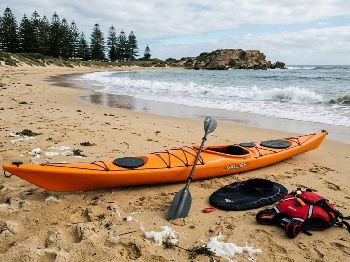
Can I catch tailor from a kayak? Yes. Paddling a beach gutter at dawn with a metal lure is a productive technique.
The low profile of a kayak lets you approach feeding schools that would flush from shore-based casting distance, and you can reposition quietly to follow a moving school.
What size tailor eat best? Fish between 35 and 55cm have the best flesh-to-bone ratio for eating. Larger fish over 60cm are worth photographing and returning.