Wiping Out Safely: How to Fall in the Surf

Quick summary
How you fall matters as much as how you ride, because a bad wipeout can put you into the reef, the sand or your own board.
Take a breath, fall flat and away from your board, cover your head, and relax while the wave rolls through and lets you up.
The how-to
After this you will know how to fall safely, protect your head, ride out a hold-down calmly, and get back to the surface in control.
Every surfer wipes out, and on a bigger day the fall is the moment where a good session can turn into an injury.
The wave itself rarely hurts you, but the sea floor, your board and blind panic all can, so falling well is a real skill.
Learn to fall calmly and you will surf bigger waves with more confidence, because the fear of the wipeout is half of what holds people back.
Like any skill, it is worth thinking through on the beach before you need it in the churning white water.
Fall flat and away from the bottom
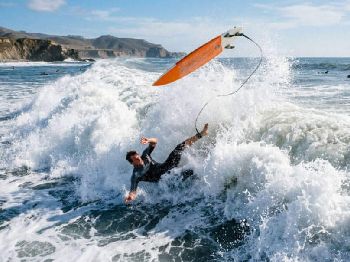
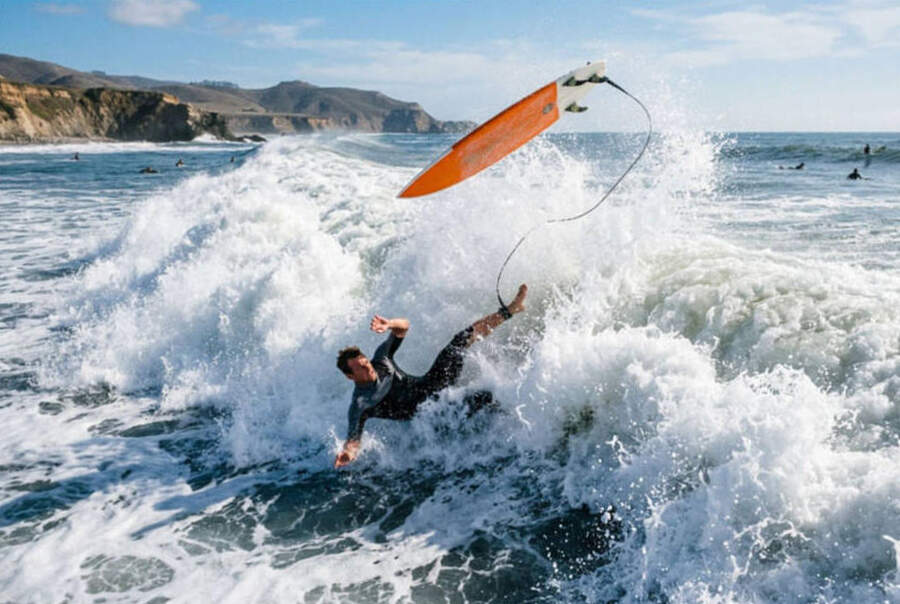
When you feel the wave beat you, try to fall flat rather than diving in head first, so you spread the impact and stay shallow.
Landing on your side or backside and slapping the surface with your arms helps stop you from plunging straight down onto a reef or sandbar.
Never dive head first off your board in shallow water, because hitting an unseen bank or rock is how surfers suffer serious spinal injuries.
In doubt about the depth, go in feet or bottom first and keep your body loose and flat as you hit the water.
Take a breath and relax
The instant you know you are going down, grab a full breath, because a lungful of air buys you all the time you need.
Once you are under, make yourself relax, since fighting and thrashing burns the oxygen you want to save for riding out the hold-down.
Most wipeouts hold you under for only a few seconds, and staying calm is what makes those seconds feel manageable rather than frightening.
Let the wave have its way, wait for the turbulence to ease, and then make your move for the surface.
"You cannot fight the ocean and win; take a breath, go soft, and let the wave roll through, because it always lets you up in the end."
Protect your head
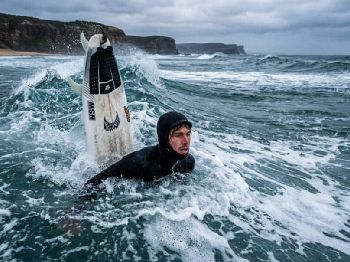
As you fall and as you come up, wrap your arms around your head to shield it from your board and the bottom.
Your surfboard is on a leash and will spring back toward you, so covering up protects your face from the fins and rails.
Come up with one arm extended above your head, feeling for the surface and for a board that may be sitting right over you.
A cheap habit of covering your head can save you from the most common and most avoidable surfing injuries.
Finding the surface
In the churn it can be hard to tell up from down, so relax for a moment and let your buoyancy start to lift you.
If you are still unsure, feel for the pull of your leash, which runs from your ankle up toward your floating board and the surface.
Climb your leash hand over hand if you need to, and it will guide you up to your board and the air.
Once you break the surface, take a breath and check behind you, because the next wave of the set may be close behind.
Handling a bigger hold-down
On a bigger wave you may be held down longer, sometimes through a second wave, so the calm you practised in small surf really matters.
Resist the urge to claw for the surface too early, because you can waste energy and breath fighting water that is still pinning you down.
Stay curled and loose, protect your head, and trust that the hold-down will pass just as every one before it has.
If a wipeout rattles you, paddle to the channel or the beach, sit for a few minutes, and go back out only when you feel steady.
Fixing the usual mistakes
Diving in head first risks your neck on a shallow bottom, so fall flat and go in feet or backside first instead.
Holding your breath in a panic wastes it fast, so relax your body and let the turbulence pass before you push up.
Surfacing without covering up invites a board to the face, so always come up with an arm shielding your head.
Ditching your board carelessly can send it into other surfers, so keep it close and never fling it away in a crowd.
Stay safe learning it
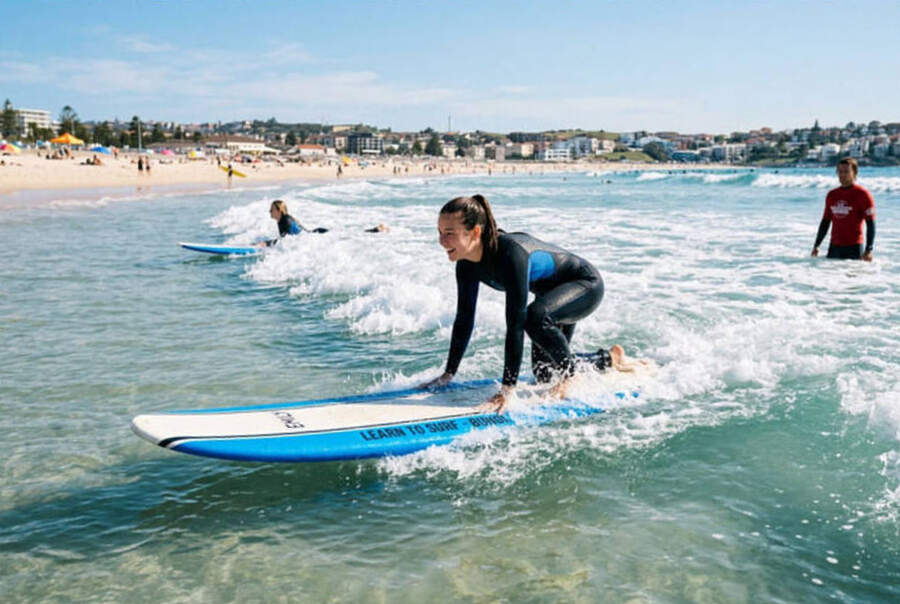
Build your confidence in small, gutless surf first, where a wipeout is harmless and you can practise falling flat and covering up.
Always surf within your limits, and step up a wave size only once falling on the smaller ones feels completely relaxed.
Check the swell and wind before you paddle out, and on a big, cold day dress for the water and surf with a mate.
Common questions
How long will a wipeout hold me under?
Most last only a few seconds, and even a big-wave hold-down usually passes within a wave or two if you stay calm.
What if I do not know which way is up?
Relax and let your buoyancy lift you, or follow your leash from your ankle up toward the floating board and the surface.
Should I hold onto my board?
Keep it close where you can, but never between yourself and a breaking wave, and never let it fly free in a crowd.
How do I stop panicking underwater?
Practise in small surf until falling feels routine, take a full breath every time, and remind yourself the wave always lets you up.
Pick a day inside your limits with the Seabreeze Perth wind forecast , and swap tips on local breaks with other surfers on the forums .