The Cutback: Keep Speed on the Shoulder

Quick summary
The cutback brings you from the dead shoulder back to the breaking pocket, so the speed your bottom turn just made gets spent rather than leaked away.
Surfing Australia high-performance programs treat it as a speed-management turn rather than a trick, and the whole thing hinges on when you commit the inside rail.
The how-to
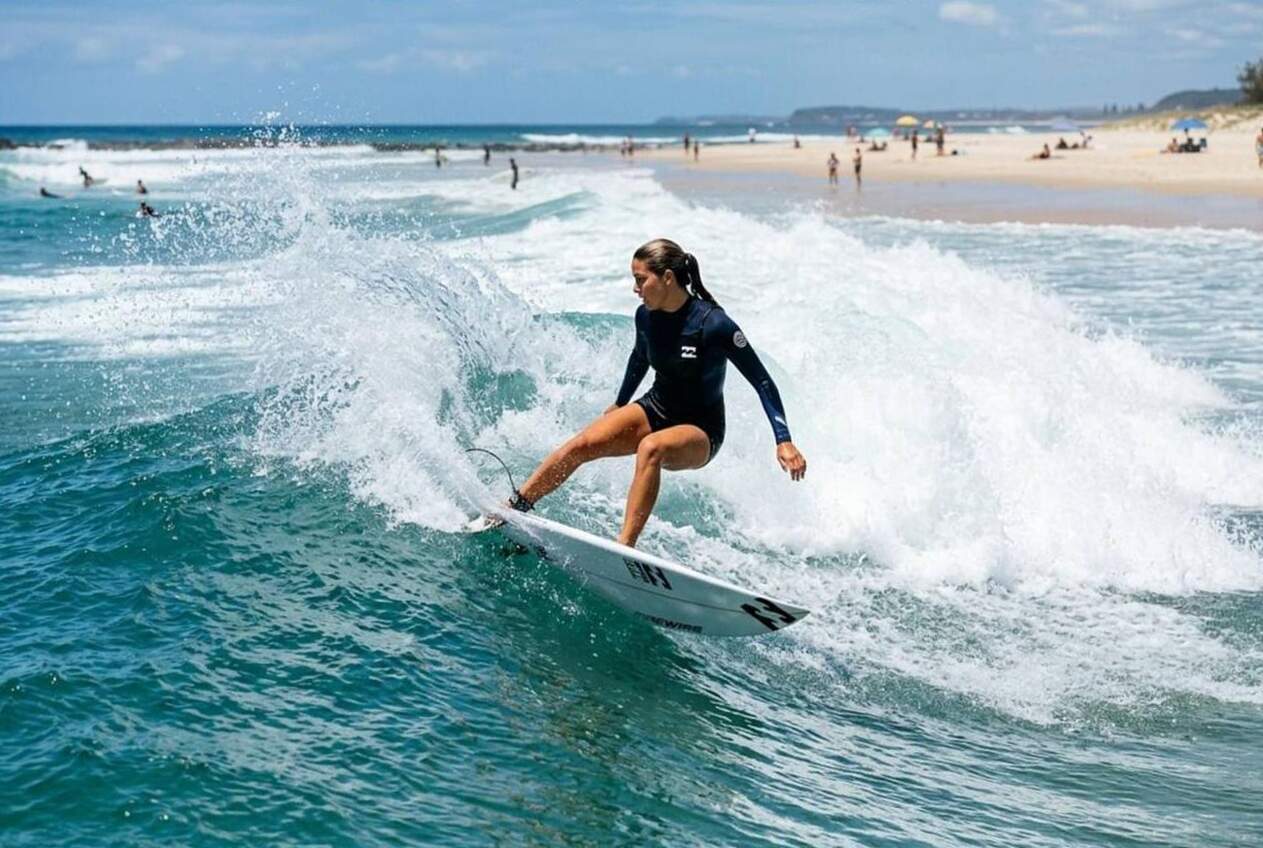
Leave a clean bottom turn with speed, look to the shoulder, set the inside rail, then open your shoulders and round the board back to the whitewater before your next bottom turn.
Most surfers who can already bottom-turn describe the same complaint, which is that the cutback feels flat, stalled and slower than the wave running away in front of them.
The fix is rarely more effort, because a weak cutback is almost never a weak arms problem and heaving harder only makes the board track straighter.
It is a late rail.
If you stand up and twist the shoulders first, the board stays flat, the fins push you forward in a straight line and you arrive on the shoulder with nowhere to go.
Commit the inside rail before you look back to the whitewater and the turn draws itself.
Preparation
The cutback starts before the cutback, which means a bottom turn clean enough to send you up the face with speed you have not yet spent.
Pick your section early, because the whole point of the turn is to return to the part of the wave that is still breaking.
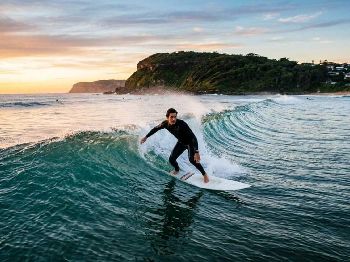
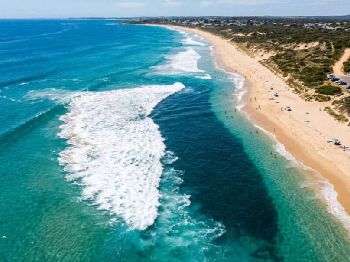
Australian beach breaks reward this more than almost anything, particularly clean 1-1.5 m walls with a light offshore that hold a soft shoulder ahead of a working pocket.
Those are the days worth chasing, so check the wind forecast for Perth or your nearest equivalent before you commit to a session.
Know your exit, because a cutback with no planned bottom turn afterwards is just a stall with spray.
Initiation
Compress as you come off the top of your climb, keeping your knees and ankles loaded rather than straightening up to look around.
Your eyes go to the section you intend to return to, not the nose of your board and not the beach.
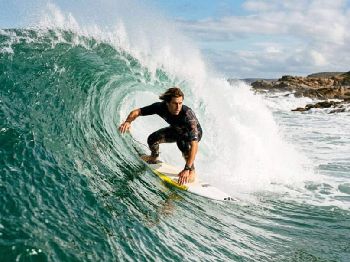
Shift your weight over the inside rail, which on a frontside cutback is your toeside rail, and let that pressure start the arc.
The board should already be leaning before your upper body does anything, and that single detail separates a rounded cutback from a flat skid.
Speed is made on the bottom turn. The cutback spends that speed to get you back into the pocket.
Commitment
Once the rail is engaged you can open the shoulders and let them lead the board through the back half of the turn.
Do it in the other order and the fins will release, the tail will slide out from under you and the turn becomes a spin-out.
Commitment here means going down into the rail rather than back over the tail, since dropping your weight loads the rail and leaning away unloads it.
Trust the rail, because the board turns far tighter on an engaged edge than it ever will on a flat bottom.
Execution
Keep rounding the turn so the arc stays smooth, letting the spray peel off the inside rail rather than firing sideways off a skidding tail.
Aim to meet the whitewater rather than avoid it, because that foam is the only part of the wave still pushing.
As you come back around, unweight slightly, let the board straighten under you and immediately set up your next bottom turn.
Done properly the wave gives you the speed back, which is why the turn is a link in a sequence rather than a full stop.
Failure diagnosis
Standing too tall, which unloads the rail and leaves you gliding across the shoulder with no bite and no arc.
Looking at the nose, which drops your chest, kills your rotation and stalls the board exactly where you needed it to keep turning.
Starting too close to the whitewater, which gives you no room to round anything and forces a jerky pivot instead of a turn.
Starting too far out, which means the section dies before you get back and you finish the turn in flat water.
Leaning back instead of down, which puts your weight behind the fins, bogs the tail and makes the board pivot rather than carve.
If two or three of those show up on the same wave, the common cause is usually the same late rail rather than five separate faults.
Film a few waves from the beach and watch the first half second after your bottom turn finishes.
You are looking for one thing, which is whether the board tips onto its edge before your shoulders start to rotate.
Surfers who sort that sequence out often find the arms, the spray and the timing follow without any extra work.
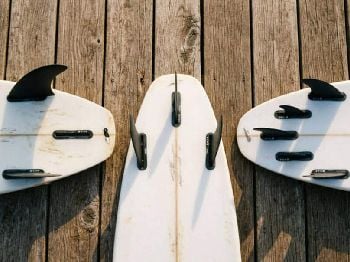
Plenty of people work through the same problem in the forums , and comparing notes on board volume and fin setup can shorten the process.
Give it a few sessions on soft, rounded beach-break walls before you take it to anything hollow and fast.