The Anchor Set: Dig In Before You Relax

Quick summary
Most 2am drags start in the first 40 seconds, when chain lands in a heap on the flukes and the engine goes hard astern before the rode is straight.
The fix is a sequence: lower to touch, pay out as the boat walks back, let the rode come bar-tight at idle astern, then add one controlled burst.
The how-to
After reading this you can set a pick in 5-8 m of sand or mud in 10-20 knots and know, before dark, whether it is actually holding.
You already know how to drop a pick, because you have done it a hundred times and slept through most of those nights.
This is about the handful of nights you did not sleep through, and the one habit that separates them from the rest.
Preparation: read the water before you touch the windlass
Depth first. Pick a spot showing 5-8 m at the state of tide you are arriving on, then add the rise you will get overnight before you choose your scope.
Bottom second. Motor slowly over your chosen patch and watch the sounder return, because hard weed and rock give a thin bright line while sand and mud read soft and fuzzy.
Swing third. Work out where every boat around you will sit when the tide turns, not where they sit now, and remember the one on a short rode will swing differently to you.
Daylight makes all three of those easy, so arrive with light to spare on the first few attempts. Our tide pages will tell you how much rise is coming.
Initiation: stem into the wind and lower, do not drop
Come up head to wind and take the way off the boat until she is stopped over the spot, with the bow steady and the crew clear of the gypsy.
Lower the anchor under power or under brake until you feel or hear it touch, then stop. That touch is the only moment the anchor should be sitting still on the bottom.
Commitment: pay out while the boat walks backwards
Let her fall back on the wind, or ease astern at the slowest speed that keeps her straight, and pay chain out to match that movement.
Aim for 4:1 to 5:1 in this depth as a coaching range rather than a rule, measured on depth plus bow height, and go longer if the forecast or the bottom gives you any doubt.
Chain laid out along the bottom is chain that can pull the shank down. Chain stacked on the flukes is a pile that holds nothing.
Execution: straight rode, idle astern, then one burst
This is the part most skippers skip. With the scope out, hold the engine in idle astern and simply wait for the boat to lie back until the rode is straight.
Perth-based circumnavigator Jon Sanders has long made the same point working cruising instructors repeat: the pull has to run along the bottom, not up and forward, or you are just dragging the pick across the sand.
Only once the rode is straight and the bow is pointing at the anchor do you add a short burst astern to drive the flukes in and load the set properly.
Hold that burst for ten to fifteen seconds, watch your transits, then come back to idle and let the chain settle into a working curve.
Recovery: transits, snubber, and a boring hour
Take two transits roughly 90 degrees apart, such as a headland behind a mast and a shed behind a tree, so any movement shows up against something fixed.
Rig the snubber and ease enough chain to take the load off the windlass, because the snubber absorbs the snatch that would otherwise work the anchor loose.
Then do nothing for twenty minutes. Watch the transits, feel the hull, and resist the urge to call it done before the boat has told you it is.
What it feels like when it works
Right feels like a stop. The boat slows, the rode goes bar-tight for a moment, then eases into a gentle catenary and the bow stays pointed at the anchor.
Wrong feels like a slide. You keep tracking astern, the rode stays loose or jerks in little grabs, and the bow falls off to one side as the pick skates.
Four mistakes that cost you sleep
Dumping a pile on the flukes. Free-falling chain with the boat stopped buries the anchor in its own rode, so lower to touch and pay out only as you move astern.
Reversing hard too early. A big burst on a slack rode yanks the anchor sideways and polishes a furrow in the sand, so wait for bar-tight at idle first.
Too little scope in a crowded bay. Short rode means an upward pull, so if you cannot fit 4:1 at high water, move rather than hope.
Anchoring on weed and hoping. Flukes skating over kelp will never bite, so lift, shift 20 metres, and look for the soft sounder return before you try again.
Safety that is not negotiable
Keep fingers and feet away from the gypsy at all times, and have one person on the foredeck who can stop the chain without reaching into it.
Never walk away from a boat that is dragging, yours or anyone else's, because an unattended drag in 15 knots becomes a collision inside half an hour.
AMSA treats anchoring as seamanship rather than a numbered rule, which means the standard you set is the one you sleep on.
When the set gets boring
Add a night arrival using exactly the same sequence under a spotlight, into an anchorage you have already set in by day.
How long should the burst astern be?
Ten to fifteen seconds is plenty in sand or mud, provided the rode was already straight when you applied it.
What if the transit creeps slowly?
Slow creep is still a drag, so recover, inspect the flukes for weed or a chain wrap, and reset on a fresh patch.
Does more chain always help?
More scope improves the angle of pull, but only up to the swinging room you actually have around neighbouring boats.
Should I dive the anchor?
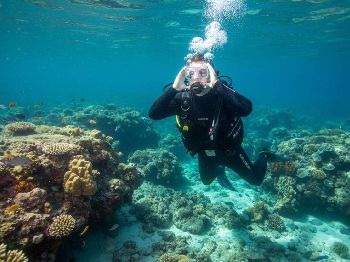
In clear water it is the fastest confirmation you will get, and it teaches you what a properly buried fluke looks like.
Compare anchoring notes and local bottom intel with other cruising skippers in the Seabreeze forums .