Leeuwin Slows: El Nino's Effect on WA
In short
The Leeuwin Current is weakening right now as one of the strongest El Nino events on record intensifies - the Nino3.4 index reached +1.47 degrees Celsius for the week ending 12 July 2026.
This shift is already affecting fish distribution along the WA coast, the tail of the Ningaloo whale shark season, and the next cycle of rock lobster recruitment.
What to watch
El Nino is forecast to persist to at least early spring 2027, with a positive Indian Ocean Dipole also developing - a double-driver combination that will define WA waters through the rest of the year.
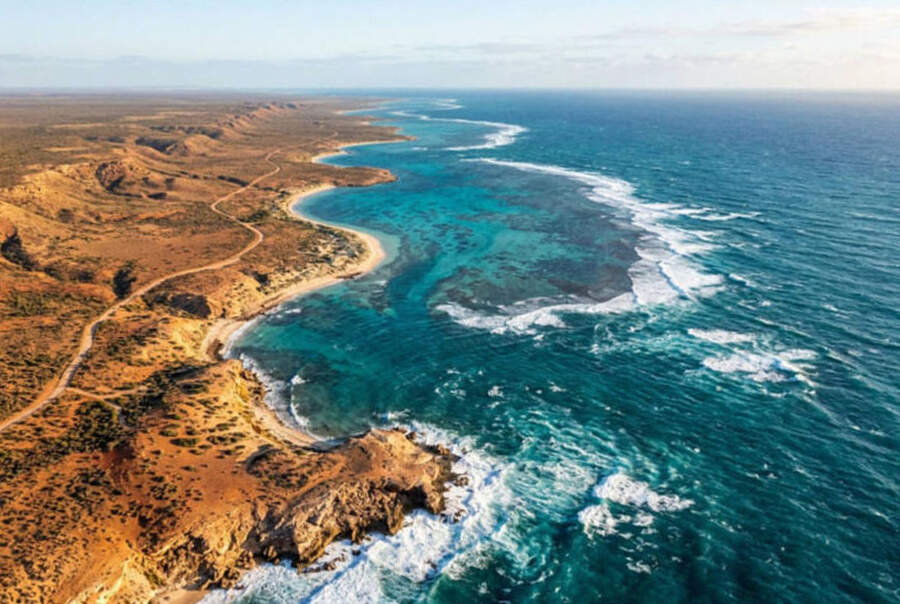
The Pacific has made its call for the 2026 season, and the signal is reaching Western Australia through the water itself.
The Bureau of Meteorology's latest reading puts the Nino3.4 index at +1.47 degrees Celsius for the week ending 12 July 2026 - well above the El Nino threshold and tracking toward what several modelling centres describe as a potential record-strength event.
The direct consequence for WA, from the Kimberley to the Cape, is a weakening Leeuwin Current - a well-documented response to El Nino conditions in the Pacific.
How the Leeuwin works
The Leeuwin is Australia's only southward-flowing major ocean current, running along the entire Western Australian coastline from the Northwest Shelf to the south coast and carrying warm, low-salinity tropical water into the cooler temperate south.
Its energy source is the Indonesian Throughflow - the enormous exchange of warm Pacific water across the archipelago into the Indian Ocean.
When El Nino suppresses trade winds and pools warm water in the eastern Pacific instead, that throughflow weakens, and the Leeuwin loses strength in turn.
"The Ningaloo Peninsula and Shelf region can be considered one of the important formation regions for the Leeuwin Current - understanding the dynamics at Ningaloo increases our knowledge of the variability of the Leeuwin and the ecosystems it supports further south."
According to Dr Richard Brinkman of the Australian Institute of Marine Science, that variability ripples from Ningaloo all the way down to the south coast reefs.
What a weaker Leeuwin looks like on the water
During strong El Nino years, the southward pulse of warm tropical water slows, reducing the buffer of warm surface water that normally overlies WA's coastal reefs and shelves.
The result is a coast that runs relatively cooler and clearer than in La Nina years, with upwelled nutrients mixing into the upper water column and stimulating phytoplankton growth near the shelf edge.
For divers, this typically means improved visibility on many southern reefs - but water temperatures from August onward south of Jurien Bay warrant upgrading from a 3mm to a 5mm or heavier wetsuit.
For offshore anglers, a weakened current changes where baitfish and pelagic species concentrate along the shelf break.
Species that track warm Leeuwin eddies - including yellowtail kingfish, mahi mahi, and wahoo - become less predictable in their distribution when the current slows and eddies are smaller and shorter-lived.
Demersal species like dhufish and snapper are less affected, staying tied to reef structure rather than following warm-water filaments offshore.
The rock lobster recruitment cycle
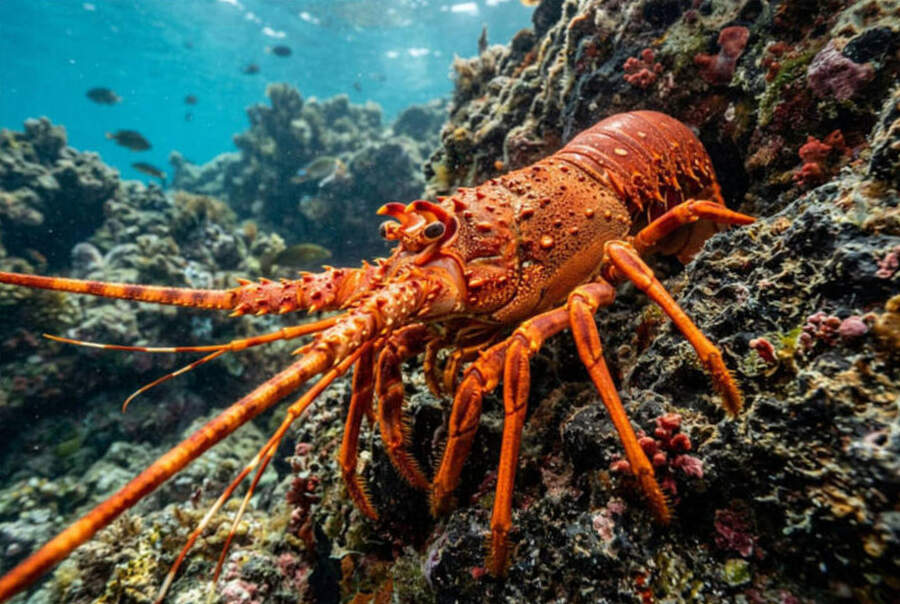
The biggest effect on WA fisheries economics of a weakening Leeuwin on WA fisheries plays out through the western rock lobster's recruitment cycle.
DPIRD identifies the Leeuwin Current and westerly winds in late winter and spring as the two primary environmental factors controlling puerulus settlement of the western rock lobster fishery.
The 2025/26 puerulus settlement season produced the best counts in decades, according to DPIRD, built on conditions that prevailed before this El Nino fully strengthened.
The settlement cycle now under way - measured through spring and early summer 2026 - reflects a weaker Leeuwin and represents the period most exposed to the current El Nino.
Lobsters from this cohort reach legal size in approximately five years, pushing the commercial impact to the early 2030s - but the recruitment signal for that future season is being set right now.
This creates a deceptive gap in the industry picture: the record 2025/26 settlement generates justified optimism, while the following cohort is already at risk from conditions already in place.
Ningaloo and the whale shark close-out
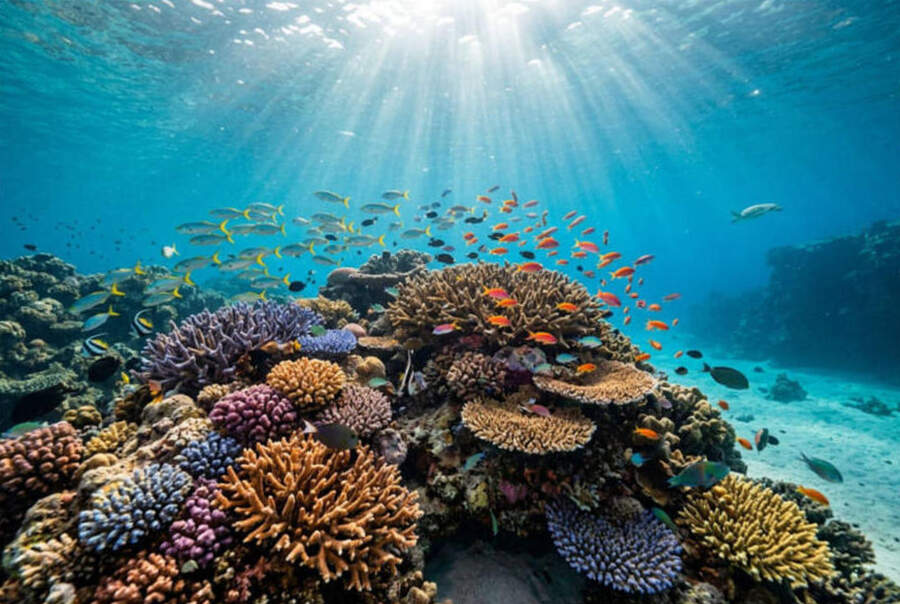
The 2026 Ningaloo whale shark season closes on 31 July - a fortnight away - and this year's El Nino conditions align with published research on interannual variation in shark aggregation numbers.
Peer-reviewed work in Environmental Biology of Fishes established a link between Leeuwin Current strength and whale shark abundance at Ningaloo: La Nina years, with a stronger current, tend to bring more aggregations; El Nino years, fewer.
The 2026 season got a later-than-usual start, with first confirmed encounters coming in late March, and tour operators along the Coral Coast noted more variable sightings through May compared to 2024.
Ningaloo reef diving remains excellent through the close of whale shark season and beyond, with cooler, clearer water from August potentially making conditions some of the best of the year for reef species.
The double-driver season ahead
El Nino alone would be a significant signal, but BOM's July 2026 climate assessment identifies a second climate driver developing in tandem with it.
The Indian Ocean Dipole is currently neutral at -0.06 degrees Celsius but is forecast to shift positive over the southern hemisphere winter - a positive IOD alongside El Nino historically increases the probability of drier, warmer conditions across southern and eastern Australia.
Combined, the two drivers reinforce the same outcome: less moisture, more heat, and reduced freshwater input to coastal estuaries through spring.
El Nino is expected to persist to at least early spring 2027 with 97% probability under BOM modelling - the strongest multi-model consensus since the 2015-16 event - meaning the Leeuwin suppression is not a short-term condition but a full-season state.
Planning your WA water sessions through spring
The practical picture for the August-October window becomes reasonably clear from these signals.
Offshore fishing along the shelf break will reward anglers who track sea surface temperature charts for the cold-warm contrast zones a weakened Leeuwin creates - these often concentrate bait more effectively than the broad warm-water highway the current provides in La Nina conditions.
Albany and the south coast are worth watching for better-than-usual ground fishing conditions if upwelling events deliver nutrients to otherwise oligotrophic shelf waters.
Sailors planning south-coast passages should factor in a reduced counter-current assist from a weakened Leeuwin - the southward push that helps eastbound passages along the south coast will be less reliable through this period.
Check Perth and south WA wind forecasts at Seabreeze Perth as your spring window approaches - conditions will continue to change as El Nino evolves through August and September.
FAQ
Does El Nino always weaken the Leeuwin? Generally yes - the link between Pacific ENSO conditions and Leeuwin strength is well-documented, with weaker flow during El Nino and stronger flow during La Nina events.
Will WA waters be cold this winter? Not unusually cold - BOM data shows coastal waters running 1-2 degrees Celsius above the long-term average on the north-west shelf - but cooler than a strong La Nina year, particularly south of Perth.
How long will El Nino last? BOM gives a 97% probability that El Nino persists to early spring 2027, making this a multi-season event rather than a one-summer pattern.
Will rock lobster catches drop? Not immediately - catches for the next few seasons reflect the record 2025/26 puerulus settlement. The weaker recruitment cycle now under way affects catch rates in about five years, from around 2031.
Is Ningaloo still worth visiting after whale shark season? Absolutely - reef diving and snorkelling at Ningaloo runs year-round, with August-October often producing exceptional water clarity and active reef life.

NSW hazardous surf builds to 3 m south swell
Warning covers Thursday and Friday, Byron added